
EU Commission proposes to loosen ETS rules through 2038



On July 17, 2026, the European Commission published its proposal for revising the EU Emissions Trading System (ETS) for the next phase (2031 to 2040). This proposal follows the one-year delay of ETS II to 2028 earlier this year and now moves to negotiations between the Council of the EU and the European Parliament, with a political agreement targeted for late 2026 or the first quarter of 2027.
The Commission describes these changes as a relief measure for industry, in line with the overarching Clean Industrial Deal cmpetitiveness strategy. The free allocation of allowances, which was previously set to be phased out completely by 2034, would now be extended until 2038. However, this relief is conditional, and that is precisely where the real compliance burden lies.
Free allowances could be extended, but only with proof of investment
Starting in 2031, 80 percent of free allowances will only be granted to companies that have submitted a plan for decarbonization investments at their EU sites. The remaining 20 percent would only be allocated once companies can prove that they have implemented the planned investments and achieved the intended emission reductions.
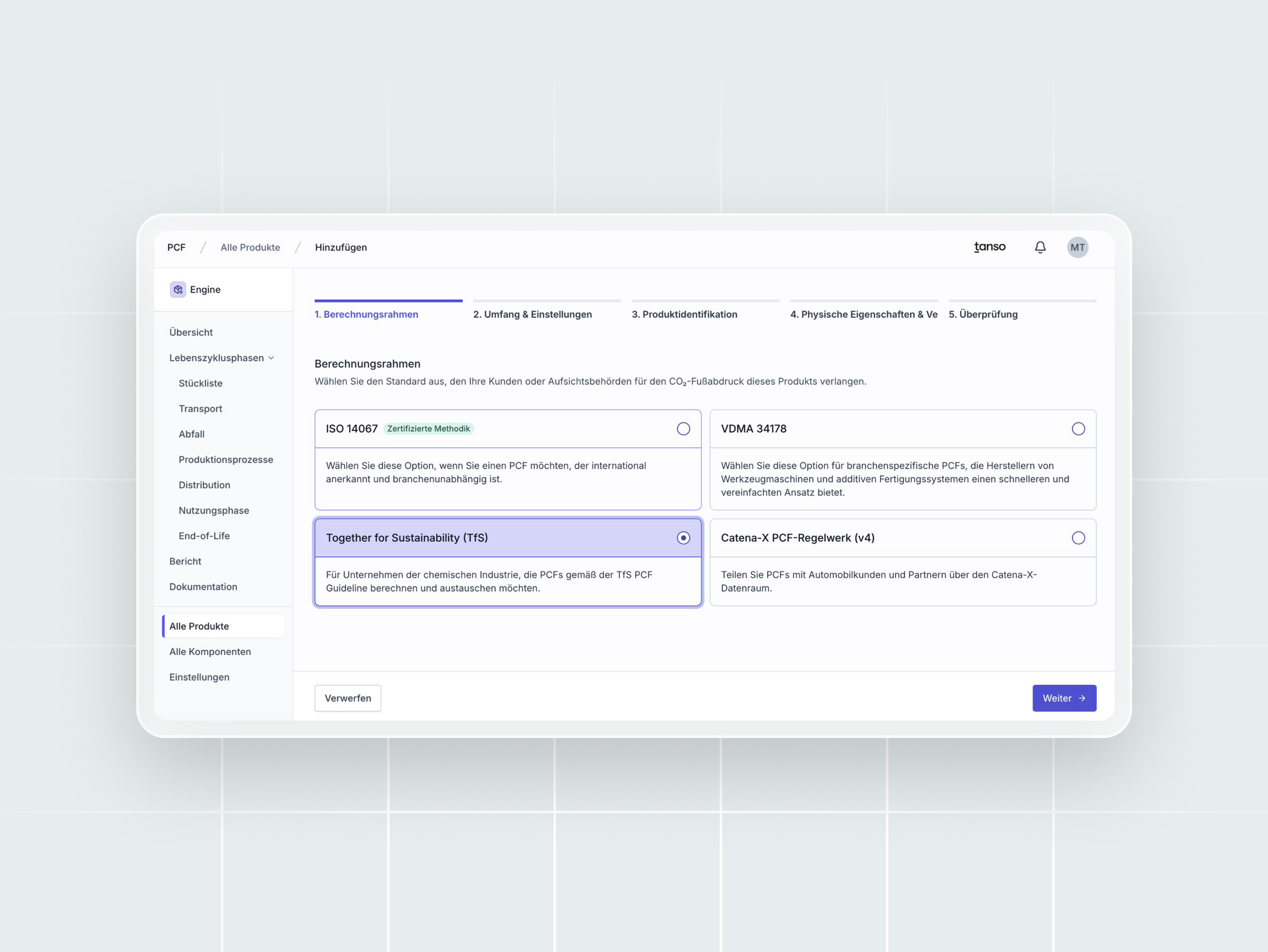
For companies that already Scope 1, 2, and 3 track as part of the CSRD or PCF and CCF data for CBAM processed, this adds another layer based on the same data foundations: verifiable investment plans and audit-ready evidence of their implementation. A credible decarbonization pathway, for example based on the SBTi Net-Zero Standard V2.0, is likely to be the reference point for companies that regulatory authorities will use as a guide.
A slower path to zero proposed
The annual rate at which the ETS cap decreases was actually set to rise to 4.4 percent from 2028. Instead, it is now proposed to fall to 3.7 percent for the years 2031 to 2035 and to 1.7 percent for 2036 to 2040. Climate Commissioner Wopke Hoekstra emphasizes that the proposal remains compatible with the EU's goal of a 90 percent emissions reduction by 2040. Environmental organizations such as the WWF and Carbon Market Watch disagree with this assessment, estimating that the slower reduction curve could allow for an additional 2 to 2.4 billion tons of CO₂ by 2050.
CO₂ removals could be integrated into the system
Permanent CO₂ removals, such as those through direct air capture with storage, are to be integrated into the ETS for the first time. Each certified ton that is removed and permanently stored would increase the cap by a corresponding certificate, thereby creating a new compliance pathway for sectors that cannot fully decarbonize their processes. This differs from temporary removals like reforestation, which will remain outside the ETS. Shipping and aviation operators are also to be given the option to offset their own emissions with certified removals, capped at net zero.
Aviation coverage to be expanded, but only partially
From 2029, flights departing from the European Economic Area and landing within 5,000 kilometers of a point in Central Europe will be covered by the ETS, as will private jets. The distance limit excludes the USA and China. According to Transport & Environment, the expanded scope would still only cover around 53 percent of aviation emissions from flights departing from the EEA.
The proposal also softens the phase-in of CBAM directly: 15 percent of the free allocation that would have been phased out due to CBAM is to be reintroduced from 2028. The Commission justifies this by citing the reduction of the remaining carbon leakage risk during the transition phase. Critics argue that this undermines the credibility of CBAM as a replacement mechanism, especially during its introduction.
International credits proposed from 2036
The proposal would allow companies to use high-quality international credits from 2036, limited to 5 percent of the total EU reduction target for 2040, in line with the Article 6 framework of the Paris Agreement.
What this means for industrial companies in the DACH region
The proposal is not yet law. Negotiations between the Council and Parliament are expected to continue through the end of 2026 and into 2027, and the conditions for investment plans regarding free allocation in particular are likely to change. For companies planning multi-year decarbonization budgets, the real relevance lies less in the extended deadline than in the associated documentation requirements: Audit-proof CO₂ accounting will be just as important for accessing free certificates in the future as it is today for CBAM and CSRD reporting.
We will continue to monitor the negotiations between the Council and Parliament and will update this article as soon as the conditions become more concrete.

































































.avif)





.avif)
.jpg)


