


Omnibus FAQ 2025: questions and answers on reporting obligations


With the Omnibus proposal, the European Commission is planning extensive changes to corporate sustainability reporting. Central elements of the initiative include updated thresholds and reporting timelines across the CSRD, EU Taxonomy, CBAM, and CSDDD.
Tanso CEO and Co-Founder Till Wiechmann and Dilara Can, Managing Director at Bosch Climate Solutions, discussed the key changes and their implications for companies in our webinar. In this article, we answer the most frequently asked questions. You can access the full recording here.
1. What is the Omnibus Proposal and which regulations are affected?
The EU Commission's Omnibus proposal aims to harmonize four key sustainability regulations: CSRD, CSDDD, EU Taxonomy, and CBAM. The proposed changes seek to reduce reporting obligations by 25% for large companies and 35% for small and medium-sized enterprises (SMEs). Key elements include the postponement of CSRD timelines, new thresholds for reporting obligations, and the introduction of the voluntary VSME standard for SMEs. The simplification and alignment of these frameworks are intended to reduce administrative burden and give companies more time to prepare.
2. CSRD: What thresholds apply for reporting obligations?
Companies must report under CSRD if they have at least 1,000 employees and more than €450 million in annual revenue.The assessment is always made at the group level.
3. EU Taxonomy: What thresholds apply?
Under the Omnibus proposal, companies with more than 1,000 employees and over €450 million in annual revenue are subject to reporting requirements. The obligation to assess economic activities for Taxonomy eligibility and alignment remains in place, but only for activities accounting for more than 10% of revenue or capital/investment expenditures (CapEx/OpEx).
Importantly, the revenue threshold must be exceeded in two consecutive years before the reporting obligation applies. Companies that exceed the threshold in one year and fall below it the next remain exempt unless the two-year condition is met. This gives companies more time to prepare.
4. How is the number of employees defined?
To calculate the number of employees for threshold purposes, the annual average is used, measured in "annual working units" (AWUs). Temporary workers are included if they are employed for more than six months. The thresholds must be exceeded over two consecutive years to trigger the reporting obligation. In borderline cases, we recommend aligning with your auditor.
5. How many years are the reporting obligations postponed?
The reporting requirements were postponed for several waves. You can find the exact, final deadlines per wave in the overview below (as of February 2026). In general: capital-market-oriented companies in Wave 1, which had to report for the first time in 2025 on fiscal year 2024, are not affected by the postponement. For companies with 500–1,000 employees, the reporting obligation is waived entirely. The remaining postponements mainly affect companies in Waves 2, 3, and 4.
6. How should companies without CSRD obligations respond to supplier requests?
According to the Omnibus proposal, the VSME standard defines the maximum disclosure requirements for companies not covered by CSRD. However, for companies with more than 1,000 employees, early alignment with the ESRS is still recommended—both to prepare for future obligations and to strengthen positioning within the supply chain.
7. What should companies do if they are no longer subject to CSRD?
Even if reporting obligations no longer apply, sustainability remains a strategic priority. Companies should use the time to improve internal processes, build reliable data infrastructure, and implement decarbonization measures. Early preparation offers competitive advantages and reduces future compliance risks.
8. What is the role of the VS(ME) standard?
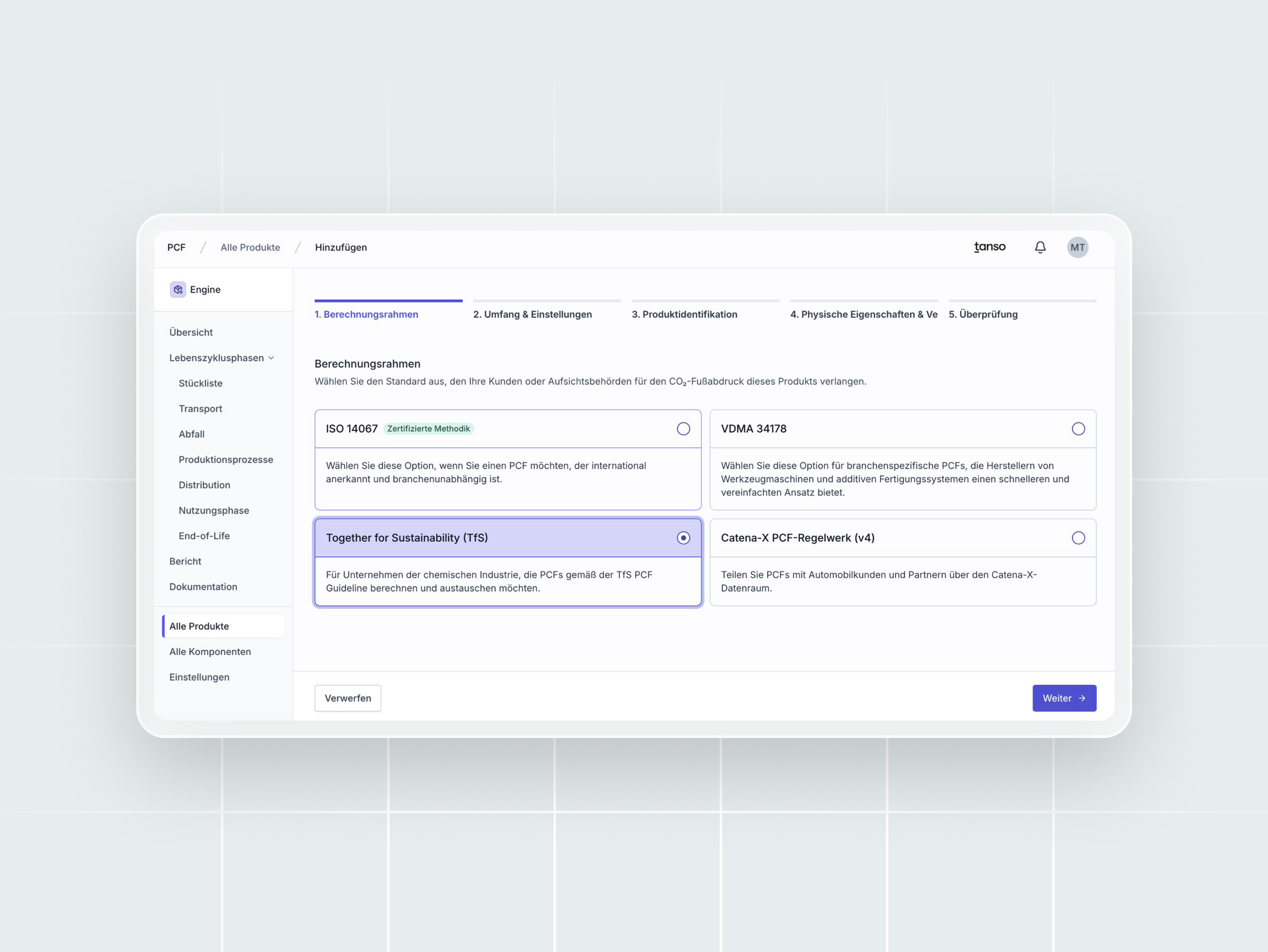
The VS(ME) standard provides a voluntary framework for SMEs to report on sustainability topics. It helps meet rising expectations from business partners and supply chains, even in the absence of legal obligations. Tanso integrates the VSME standard into its platform, including a dedicated data point selection.
In addition, the German Sustainability Code (DNK) is phasing out its own standard and will only support VSME or ESRS going forward.
9. What does "ESRS light" mean?
"ESRS light" is not an official standard but a practical approach to gradually implement ESRS requirements. Companies begin by focusing on the most relevant data points and expand their reporting over time. The goal is to allocate resources efficiently while building up a strategic sustainability reporting system.
10. CBAM: What changes are expected?
As part of the Omnibus Proposal, the requirements of the CBAM are further specified. The reporting threshold for imports is set at 50 tonnes per year (by weight), instead of a value-based threshold. In addition, the registration process for CBAM declarants and the calculation of embedded emissions are simplified. An extension to additional sectors has been announced for early 2026. Currently, aluminium, steel, cement, fertilisers, hydrogen, and electricity are affected. You can find detailed information here.
11. How does Tanso support ESG standards such as EcoVadis?
Tanso integrates relevant ESG standards and questionnaires, such as those from EcoVadis, within the platform. This provides companies with a structured and consolidated data foundation to respond flexibly, efficiently, and in an automatable way to the diverse requirements of ESG ratings and certifications.












































































.avif)





.avif)
.jpg)


