


CSRD reporting with AI: efficient and audit-ready


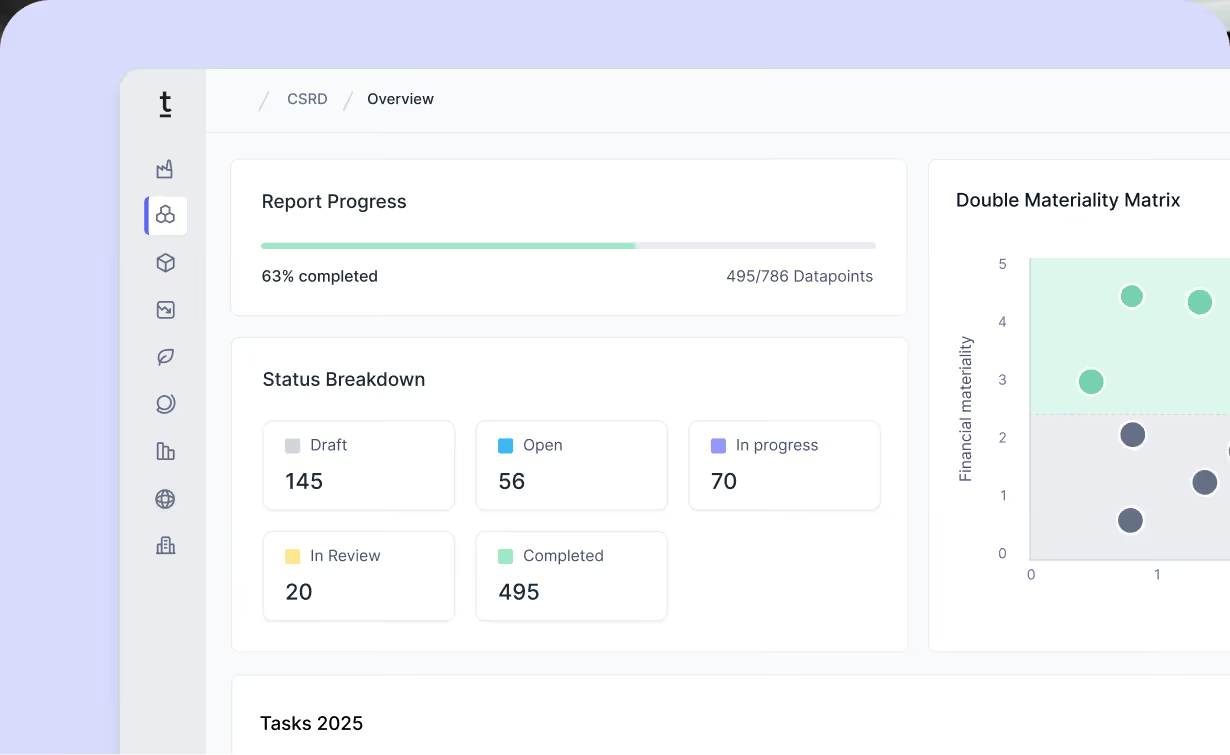
Data collection, consolidation, and auditability in the context of CSRD consume significant resources. At the same time, the requirements for the reliability and auditability of reports are increasing. AI-powered software is therefore becoming increasingly important in the ESG context and offers opportunities to make reporting processes significantly more efficient.
However, not all AI is the same. A generic language model can, for example, help draft texts. But an auditable CSRD report requires more: traceable sources, verified data, and a cleanly documented approval process. In other words, AI that is embedded in specialized software. In this article, we show where AI-powered software actually saves time in the CSRD process, why governance plays a decisive role, and what to look for when choosing the right solution.
Where AI-powered software really saves time in the CSRD process
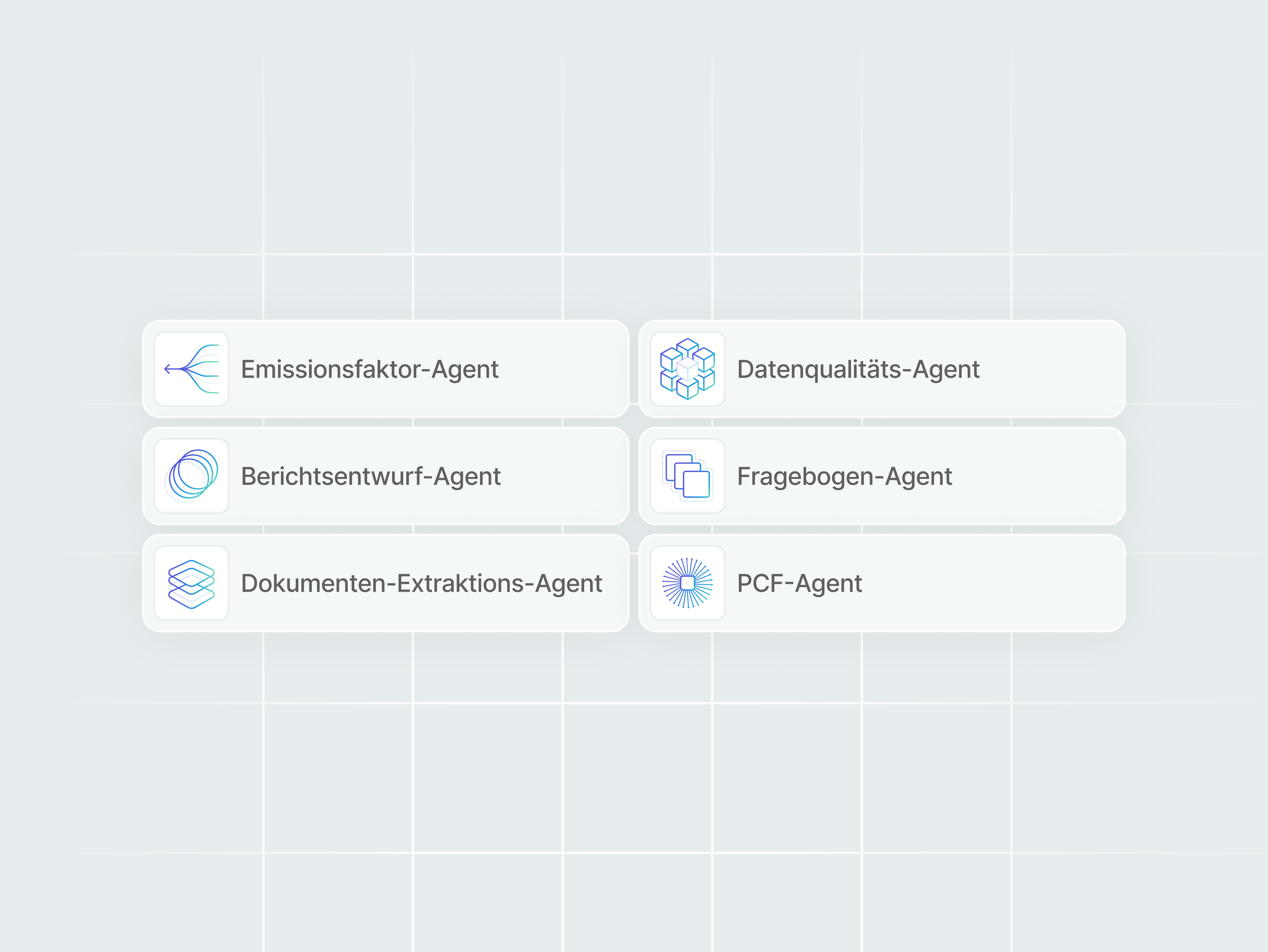
Four specific areas of application make the biggest difference in practice.
1. Automated document and receipt reading
Consumption invoices for electricity or waste, guidelines, codes of conduct: all these documents contain data points relevant to the CSRD report. AI-powered software can read them, extract the relevant metrics, and automatically assign them to the appropriate ESRS data points and emission categories. This eliminates the manual data entry step that has previously accounted for a significant portion of the effort.
The chemical company Alberdingk Boley is already using Tanso's AI function for data collection. Sustainability Manager Siema Lange describes how automated pre-filling makes reporting work easier:
"The new metrics have noticeably simplified our data collection. Instead of recording information multiple times for different reporting requirements, we now work with a clear, central structure. The automatic pre-filling from our documents by the Tanso AI also ensures significant efficiency gains in data collection."
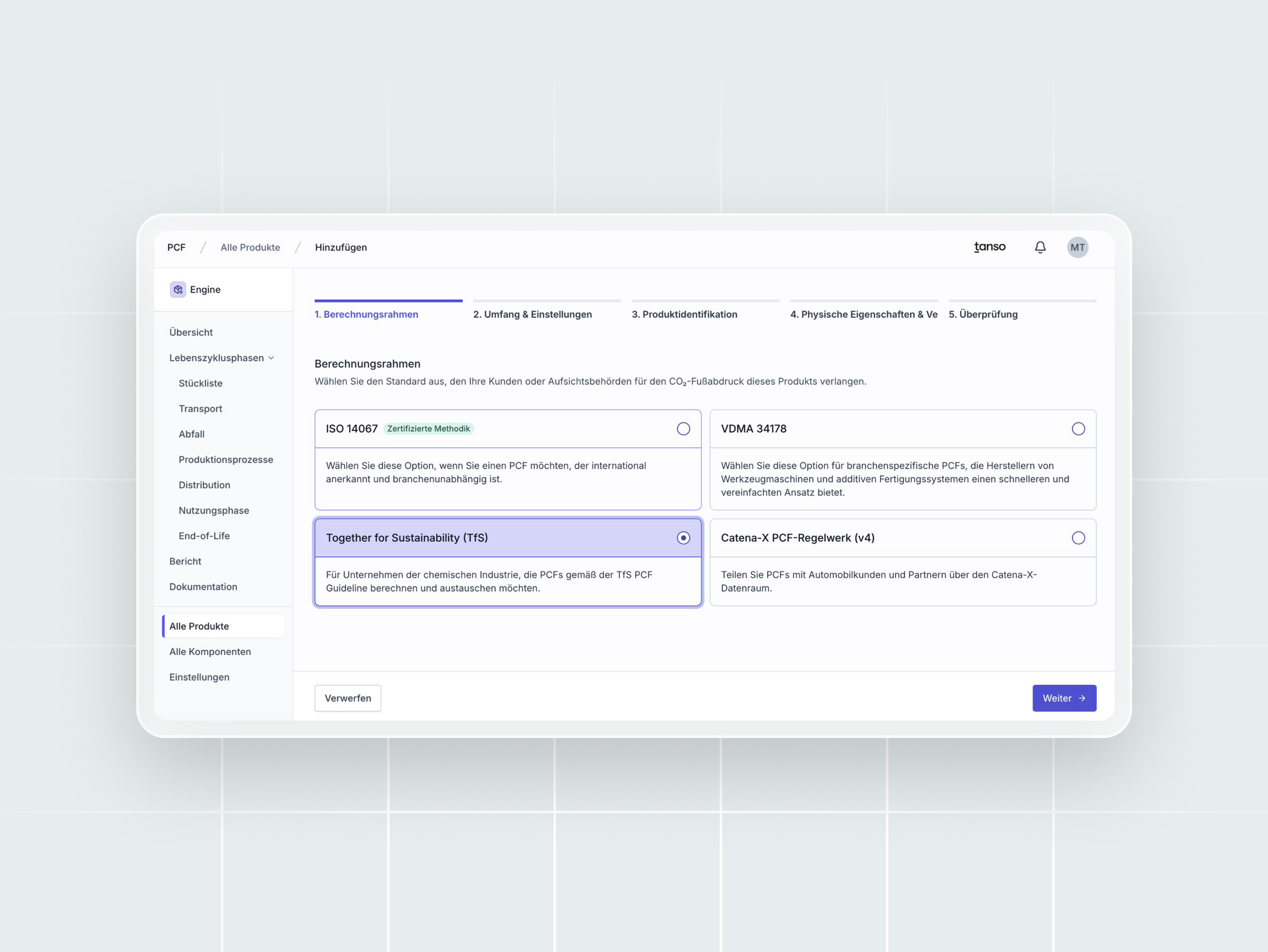
2. Intelligent emission factor mapping
For the Corporate Carbon Footprint (CCF), assigning the appropriate emission factors to each activity is a classic time-sink, primarily because it must be methodologically sound. AI can suggest suitable factors. Once confirmed by a human, the mapping is saved and automatically reused in the following year. This significantly reduces the effort year after year.

3. Text generation for narrative ESRS data points
Many ESRS data points do not require a number, but rather a structured description, such as for the double materiality assessment, governance processes, or the climate transition plan. Here, AI-powered software can generate reliable text suggestions from stored source documents (guidelines, internal reports, policies). The key is not to view AI as a generator of finished report texts, but as support for processing existing information. The generated content serves as a verified working basis, which is then edited and approved.
4. Automated questionnaire mapping
Customer inquiries, EcoVadis questionnaires, bank requests: they follow different templates but often ask for the same core data. AI-powered software can map incoming questionnaires against the existing data pool, so that answers are provided from a single, verified data source without manual transfer.
Why governance makes the decisive difference
This is exactly where the difference between generic AI and AI-powered sustainability software built for use in a sustainability context becomes apparent. For example, anyone using a ChatGPT prompt to create a CSRD text module might get a plausible result. However, it lacks traceability, source attribution, and a documented audit trail. For a report that must be audited by an external auditor, that is not enough.
What ESG-compliant AI-powered software must deliver:
- Labeling: Every piece of AI-generated content is marked as "AI-generated." Visible to all stakeholders.
- Four-eyes principle: No report is published without human validation. The workflow moves from an AI suggestion to human review (tracked as a verified data point) and finally to approval in a second review step. Only confirmed data points make it into the final narrative.
- Proof of origin: For every generated text block, it is possible to trace which documents and source sections it originated from and who approved it, with a complete audit trail at the data point level.
- Enriched expertise: Suggestions are further enriched with practical knowledge from previously created ESG reports, publicly audited CSRD reports, and insights from exchanges with auditors.
What AI-powered software actually saves: Real-world figures
The actual efficiency gain depends heavily on individual circumstances, such as data heterogeneity, the number of locations, and the previous manual workload. Benchmark figures from the Tanso customer base show the range:
- Around 60% less time spent on data collection at GOLDBECK (100+ locations, 21 countries): from 5 months manually in Excel to about 8 weeks in Tanso.
- From weeks to 2–3 days to complete a follow-up EcoVadis questionnaire by reusing the existing data foundation (automotive supplier).
- Around 1,200 hours saved in the first year at the Hörmann Group – across data collection, aggregation, troubleshooting, and consolidation.
In addition, there is a strong scaling effect from the first to the second year: once mappings have been human-verified, they are assigned fully automatically in the following year. The effort required for the second reporting cycle is therefore noticeably lower than for the first.
What this means for choosing the right software
Anyone looking to use AI-powered software for CSRD reporting should ask three questions of the solution:
- Is the AI anchored in structured, company-specific data, or does it rely on a generic language model?
Only an AI that is built on your own data model can provide reliable suggestions and generate traceable source references. - Is the approval process integrated into the AI?
Without a four-eyes principle, clear labeling of AI-generated content, and a seamless audit trail, no CSRD report is audit-proof. - Is the AI supported by methodological and regulatory expertise?
New standards (ESRS updates, GHG Protocol adjustments, VSME) must be cleanly incorporated into filters, templates, and prompts; otherwise, the AI will quickly produce outdated content.
Conclusion: AI as a lever for scalable CSRD reporting
AI-powered software is one of the most effective levers in CSRD reporting for reducing effort without compromising audit security. The decisive factor is not the AI itself, but its integration: into a clean data model, clear governance processes, and a seamless audit trail.
When used correctly, AI-powered software can save time as early as the first reporting year while simultaneously creating the foundation for more efficient subsequent cycles. Once confirmed, mappings, data structures, and text modules can be reused in following reporting years, thereby reducing manual effort year after year.














































































.avif)





.avif)
.jpg)


