


CSRD in mechanical engineering: requirements and implementation


The essentials at a glance
The CSRD directive makes sustainability reporting mandatory for many companies. Businesses are required to disclose detailed ESG data—comparable to financial reporting.
What does this mean for mechanical engineering?
The mechanical and plant engineering sector is particularly affected by the CSRD because the industry:
- involves energy-intensive processes
- is integrated into complex supply chains
- faces increasing sustainability demands from customers and investors
- includes many mid-sized companies that fall under the CSRD reporting obligation
The framework for reporting is defined by the European Sustainability Reporting Standards (ESRS). These standards specify which data companies must collect and how it must be published—ensuring transparency and comparability of companies’ non-financial performance.
Which ESRS standards are relevant for the mechanical engineering sector?
The VDMA materiality benchmark highlights which ESRS standards and sustainability topics are particularly important for companies in the mechanical and plant engineering industry. It provides industry-specific guidance and helps companies focus on the most material topics:
- Climate change (ESRS E1): CO₂ reduction, decarbonization, climate risks
- Resource use and circular economy (ESRS E5): Material efficiency, recycling, sustainable production
- Own workforce (ESRS S1): Working conditions, health, safety
- Governance (ESRS G1): Supply chains, anti-corruption, EU taxonomy
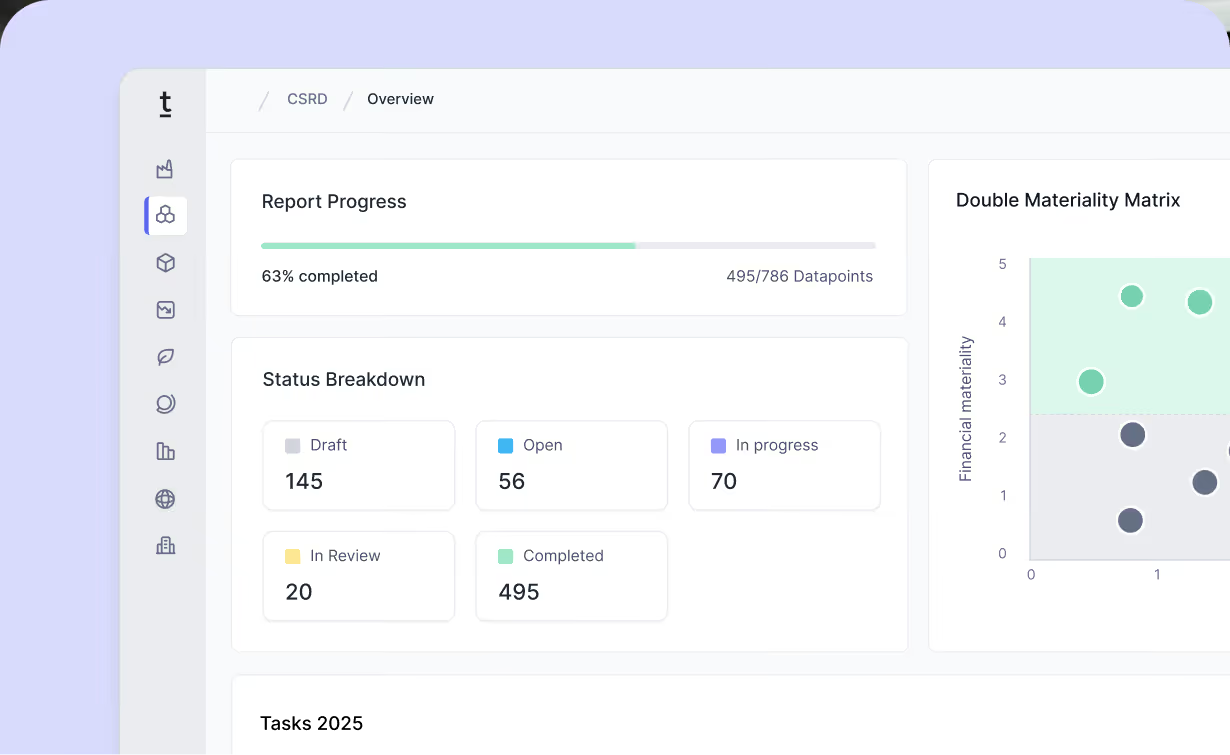
A core element of the CSRD is the double materiality assessment. It ensures that companies assess not only which sustainability aspects are financially relevant to their business, but also how their business activities impact the environment and society.
Mechanical engineering companies should begin the materiality assessment now to identify their relevant ESRS topics early on and establish the necessary data collection processes.
The roadmap: How to successfully implement the CSRD
With a clear strategy and a structured process, the complex implementation of the CSRD can be managed efficiently. The following step-by-step plan is based on best practices and outlines the key milestones companies need to achieve before their first reporting deadline:
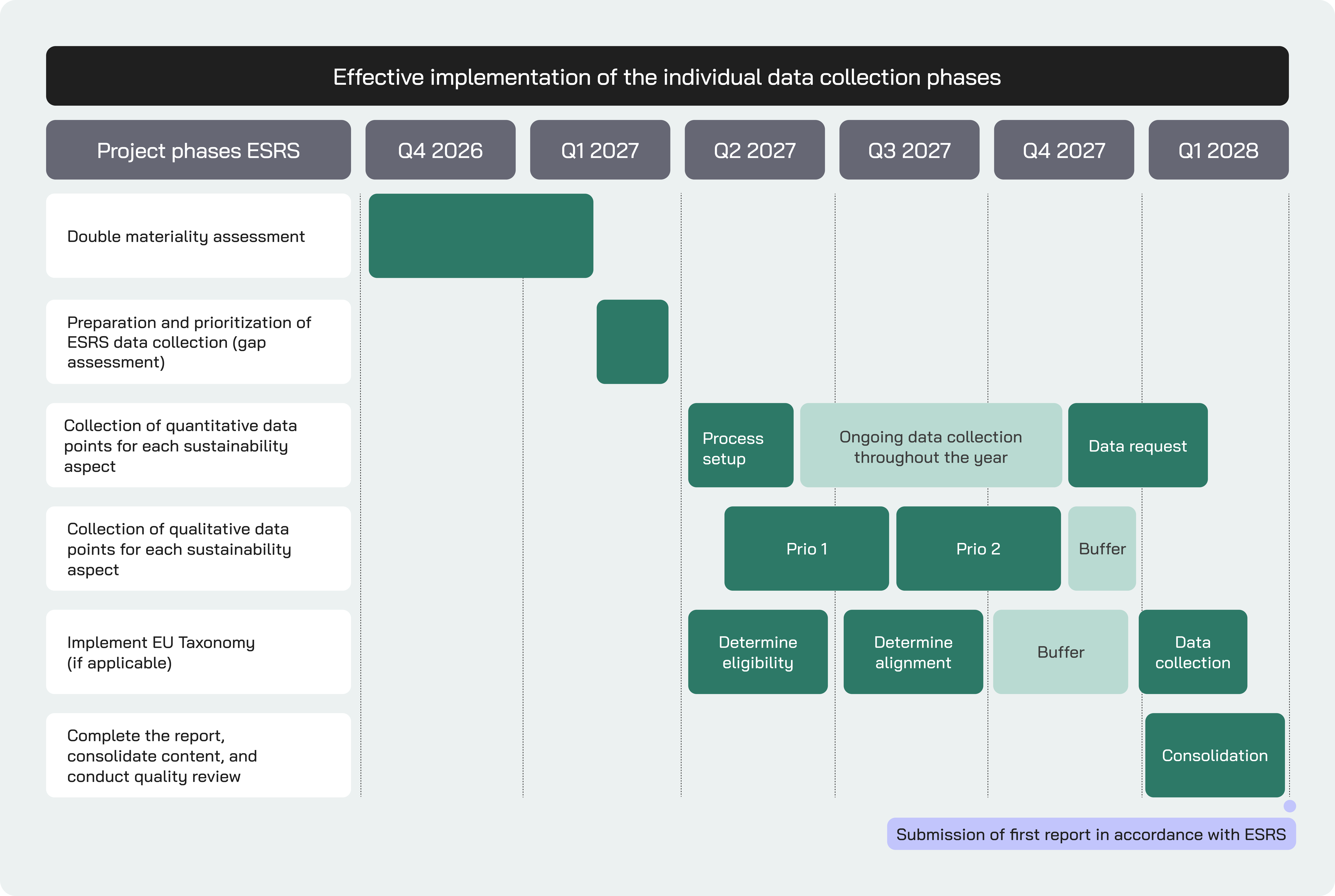
A streamlined CSRD project plan should ideally start 12 to 18 months before the first reporting year, illustrated here using the 2027 financial year as an example.
Synergies with the EU Taxonomy & Carbon Accounting
The CSRD complements existing sustainability regulations such as the EU Taxonomy and carbon accounting, giving them a shared framework and overall context. Close integration streamlines reporting and creates efficiency.
- EU Taxonomy: The EU Taxonomy defines which economic activities are considered sustainable — a decisive factor for investment decisions.
- The CSRD requires companies to disclose their Taxonomy alignment
- Revenue, CapEx and OpEx must be assessed in the sustainability context
- Sustainable companies benefit from better financing conditions
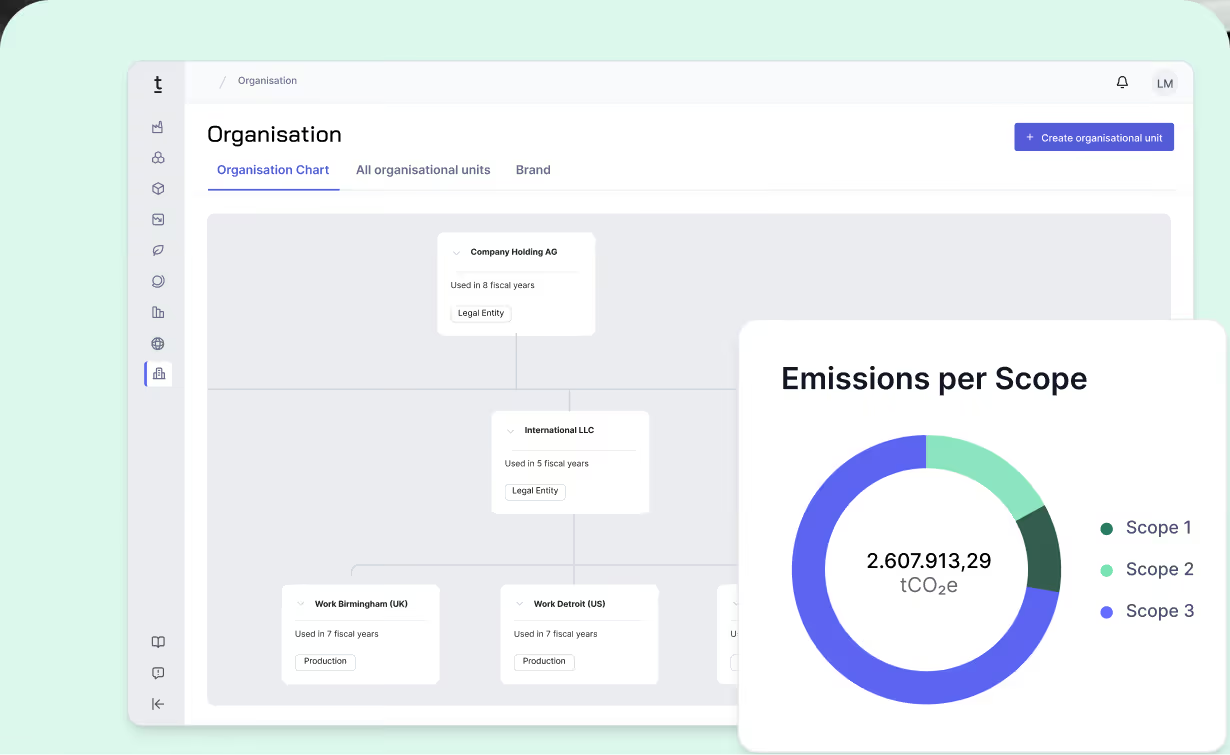
- Carbon accounting: The CSRD requires detailed recording of CO₂ emissions in line with a consistent standard, in particular:
- Corporate Carbon Footprint (CCF) — the company's total carbon footprint, including the value chain
- Product Carbon Footprint (PCF) — the carbon footprint of a product
- Since many mechanical engineering companies already collect CO₂ data, direct integration into CSRD reporting is a natural next step:
- Feeding Scope 1–3 emissions directly into ESRS E1
- Systematically capturing Scope 3 data from the value chain
- Avoiding duplicate data collection and making processes more efficient
CSRD reporting in Germany
The CSRD was adopted at EU level in January 2023. National transposition was due by June 2024, but is still pending in Germany.
On 24 February 2026, the Council of the EU gave final approval to the Omnibus I package. The new legal text has been published in the Official Journal of the EU. Member states then have 12 months to transpose the CSRD-related changes into national law.
The key CSRD changes at a glance:
- New thresholds: EU companies with more than 1,000 employees and more than €450 million in revenue are subject to reporting. Wave 1 is already reporting, Wave 2 from financial year 2027.
- Non-EU companies fall under the CSRD from financial year 2028 if they generate more than €450 million in revenue in the EU and have an EU subsidiary or branch with more than €200 million in revenue.
- VSME as a voluntary alternative: Companies outside the CSRD scope can voluntarily report according to the VSME standard.
- Wave 1 exemptions: Member states can exempt Wave 1 companies below the new thresholds from the reporting obligation for 2025 and 2026. The current German CSRD draft law provides for this.
- Climate Transition Plans remain a mandatory part of the CSRD.
Even though Omnibus I brings regulatory relief, the requirements of investors, banks and business partners remain in place. Sustainability information continues to be actively requested, for example through sustainability ratings or ISO certifications, regardless of the formal scope. There are therefore several reasons to prepare for the CSRD now:
- Early planning prevents bottlenecks: Starting too late risks time pressure and flawed reports. Companies already subject to reporting often recommend a trial report before the first mandatory reporting year, to be prepared for delays in data collection.
- Auditors expect early involvement: Since CSRD reports are subject to assurance, experts recommend starting the double materiality assessment and data structuring now and involving auditors early, to establish audit-ready processes.
- Suppliers and customers increasingly demand ESG data: Customers, investors and banks are asking for sustainability-related information more and more, regardless of the legal obligation. Companies that create transparency early secure a competitive advantage.
How Tanso supports the mechanical engineering sector in implementing the CSRD
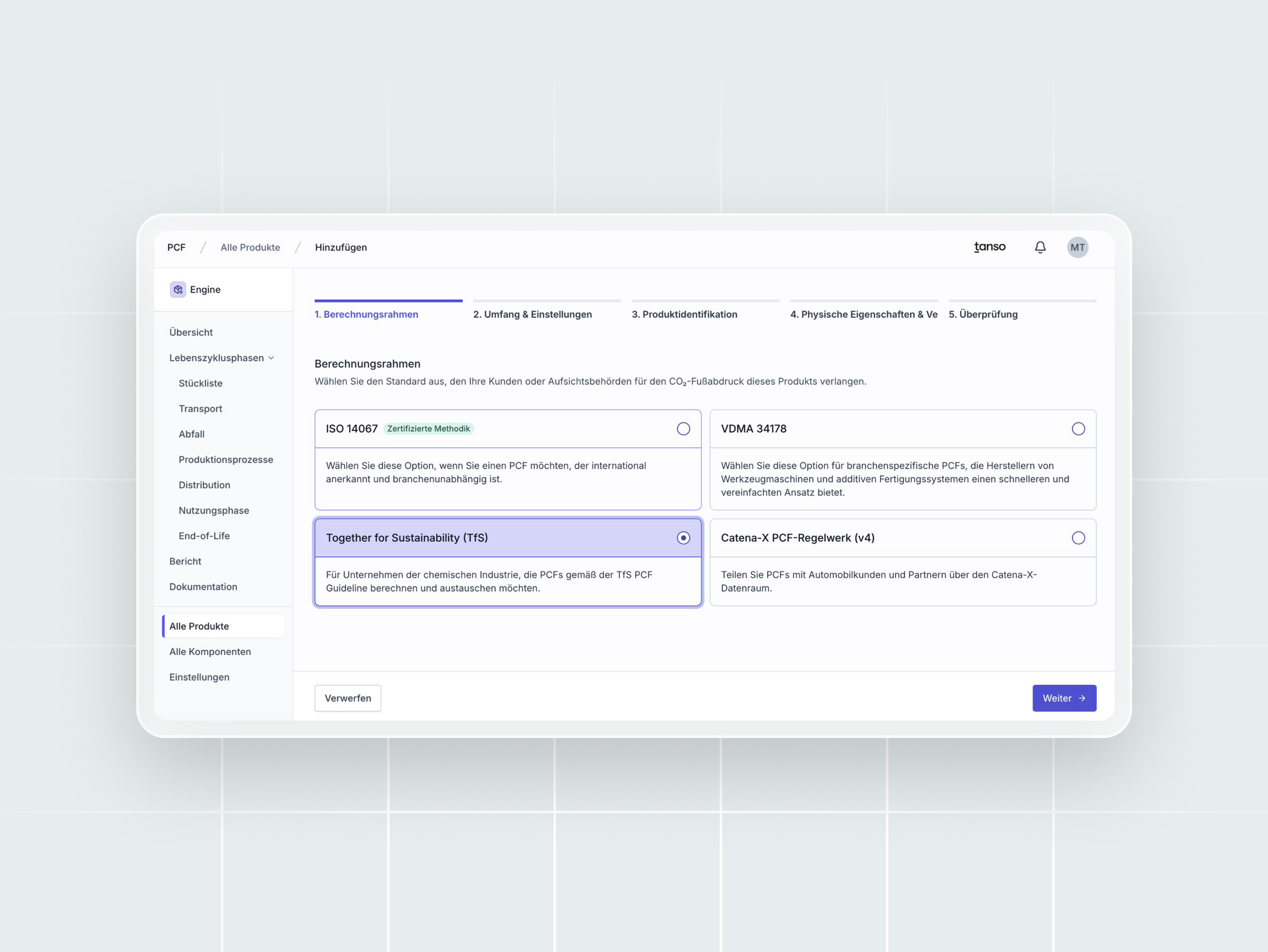
Implementing CSRD reporting is complex, especially for mechanical engineering companies with intricate supply chains, global sites and high demands on carbon accounting. Tanso automates data collection from SAP, Excel and energy management systems and creates a transparent, auditable data foundation. An integrated data model connects CCF, PCF, CSRD and other regulatory standards, so you collect your data once and use it many times. Sustainability teams significantly reduce their reporting effort and deliver audit-ready reports directly from the system.
Tatyana Becker, Head of Sustainability Management at iwis, explains why they chose Tanso:
"One of the main reasons for choosing Tanso was the automatic transfer of the CCF into CSRD reporting. In total, we were able to save at least 30% of the time we previously spent preparing for CSRD reporting."
Over 300 industrial customers already rely on Tanso, including leading machine and plant manufacturers. As a TÜV Rheinland-certified solution and VDMA partner, we bring regulatory depth and industry DNA. Through our cross-sector mechanical engineering network, you also gain access to expert knowledge and exchange with other companies in your industry.
Act now – Set the course for the future
The CSRD reporting obligation continues to affect numerous companies in the mechanical engineering sector. The entire process—from the double materiality assessment to data collection and final reporting—can take more than a year. Starting early is therefore essential to align regulatory requirements, customer expectations, and internal processes as efficiently as possible.
Checklist for mechanical engineering companies
✔️ Have we conducted a double materiality assessment?
✔️ Have all relevant data sources and processes been identified?
✔️ Do we have a tool for automated data collection?
✔️ Are our carbon footprints complete and audit-proof?
✔️ Can we fully document our supply chain and ESG data?












































































.avif)





.avif)
.jpg)


