Product
TANSO SOFTWARE
Carbon accounting
Corporate Carbon Footprint
New
Product Carbon Footprint
New
Reduction
New
ESG reporting
CSRD / ESRS
New
VSME
New
EU Taxonomy
New
Multi-reporting
(SAQ5, EcoVadis, GRI)
New
Double materiality assessment
New
Supply chain & compliance
PPWR
New
CBAM
New
Supplier portal
New
Industries
INDUSTRIES WE SERVE
Automotive
Construction
Chemicals & pharmaceuticals
Electronics & electrical equipment
Building technology, sanitary & furniture
Food & beverage
Mechanical engineering
Metal processing
Packaging
Resources
All resources
Blog
Case studies
Guides & checklists
Webinars
Events
FEATURED
The EU Regulatory Tracker
All regulations at a glance
Tanso Sustainability Summit
15 October 2026 | Munich, Germany
Company
About us
Careers
Contact
Partners
Customers
Tanso AI
de
en
de
Login
Book a demo
Login
Book a demo
Resource Overview
Blog
ESG
April 20, 2026
Switzerland opens consultation on the NUFG: New federal act on sustainable corporate governance planned
Tabea Hosak
Senior Sustainability Strategy Manager
Summarize articles with …
ChatGPT
Perplexity
Table of Contents
loading...
Discover Tanso –
Your all-in-one sustainability solution
Book a demo
Other articles you might find interesting
ESG
Blog
September 24, 2026
EmpCo Directive: Key Practical Questions & Answers
ESG
Blog
September 21, 2026
EmpCo for B2B: Why "we're B2B" won't protect you
ESG
Blog
September 8, 2026
Less recurring data work, more time for impact: this is Tanso AI
ESG
Case studies
Food & Beverages
February 13, 2025
Increased efficiency through data synergies for CCF, PCF and CSRD in Tanso
ESG
Case studies
Mechanical engineering
November 18, 2023
Böllhoff - Supporting sustainability strategy through efficient data processing
ESG
Guide
October 20, 2026
The EU Regulatory Tracker. Stay ahead of sustainability regulation
ESG
Checker
May 8, 2026
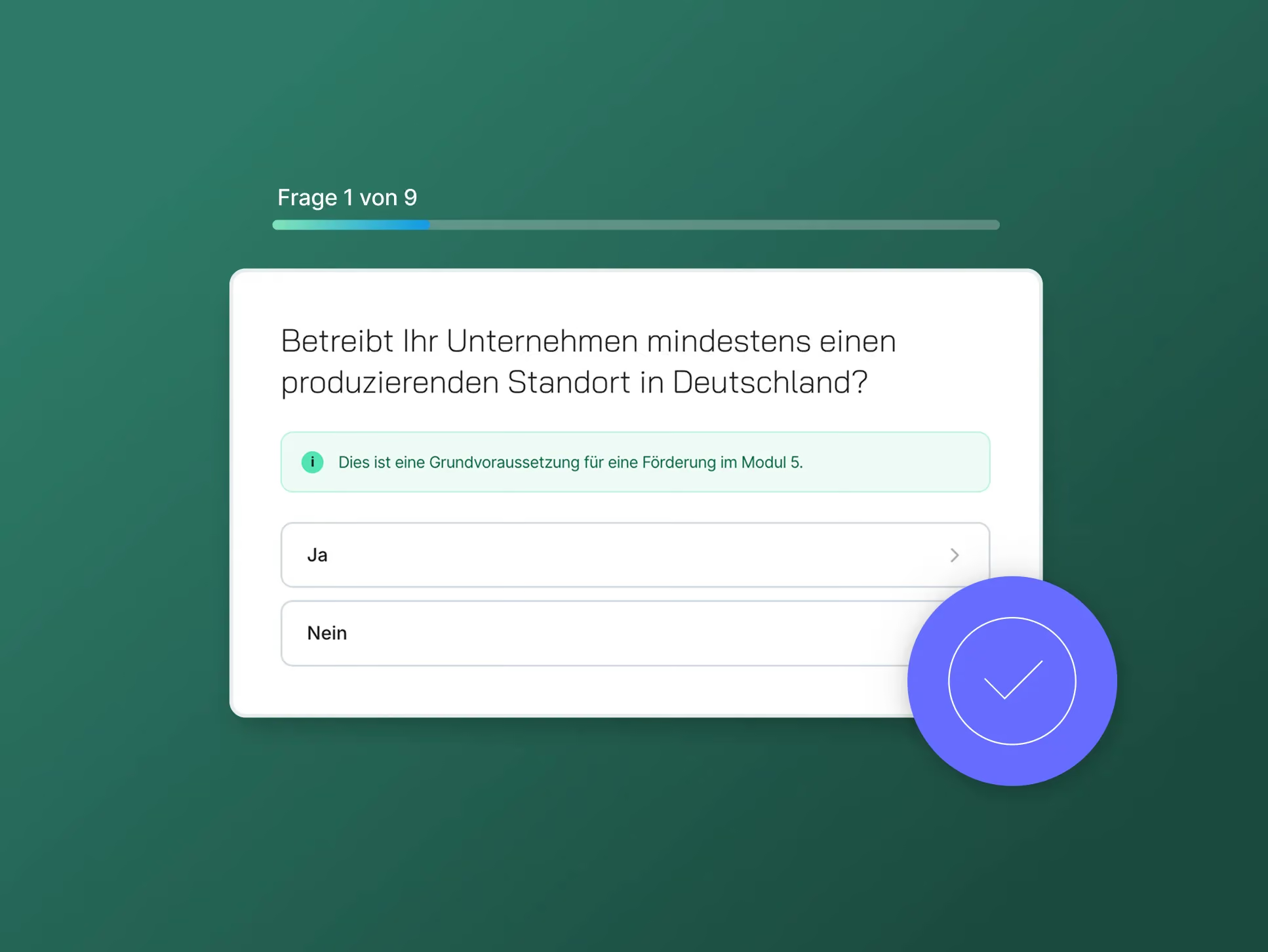
BAFA Modul 5: Eligibility checker – Transformation concept for manufacturing sites
ESG
Guide
April 24, 2026
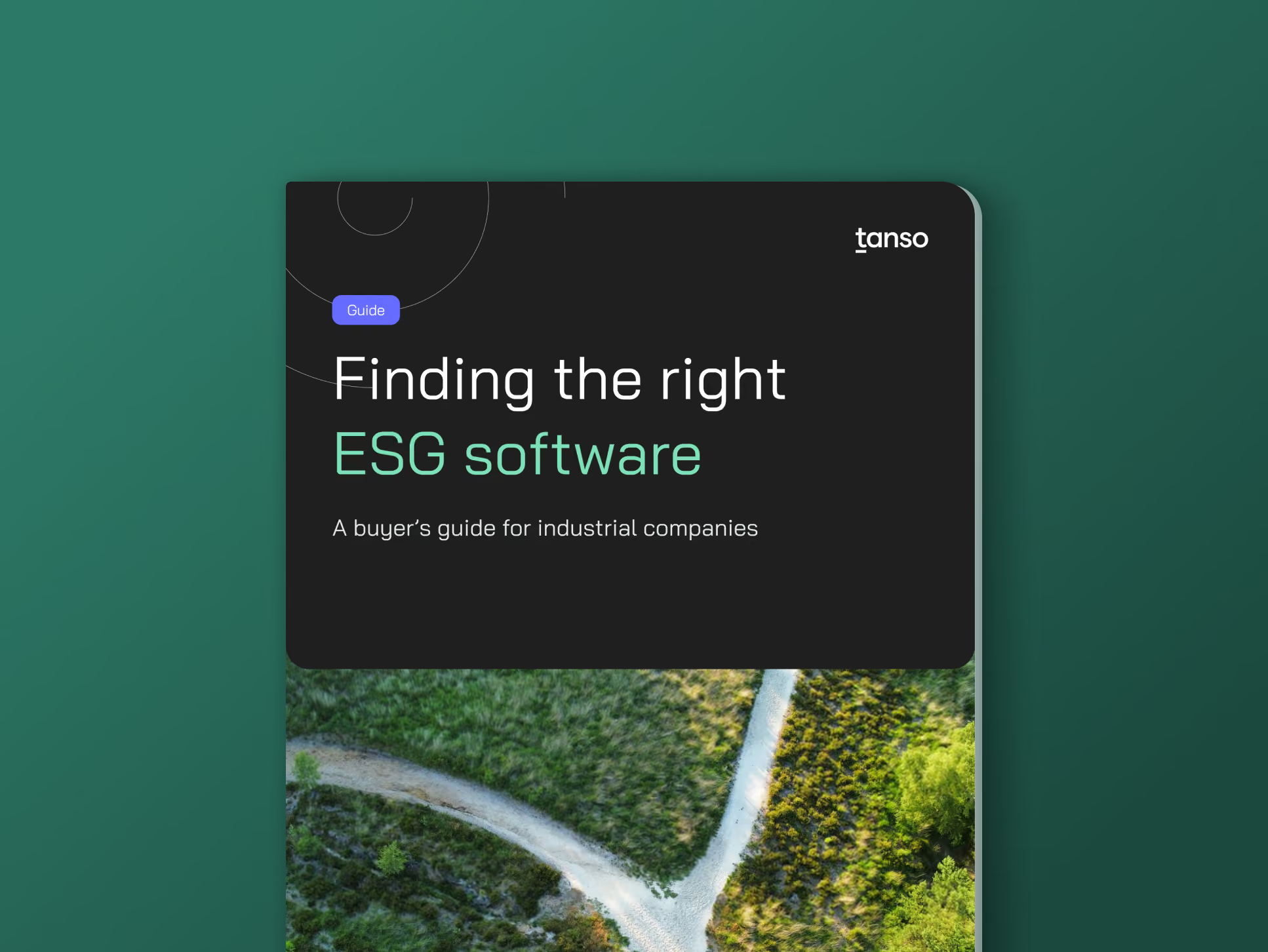
Guide: Finding the right ESG software
ESG
Webinar
September 29, 2026
Revised ESRS – changes and impact for companies
ESG
Webinar
September 14, 2026
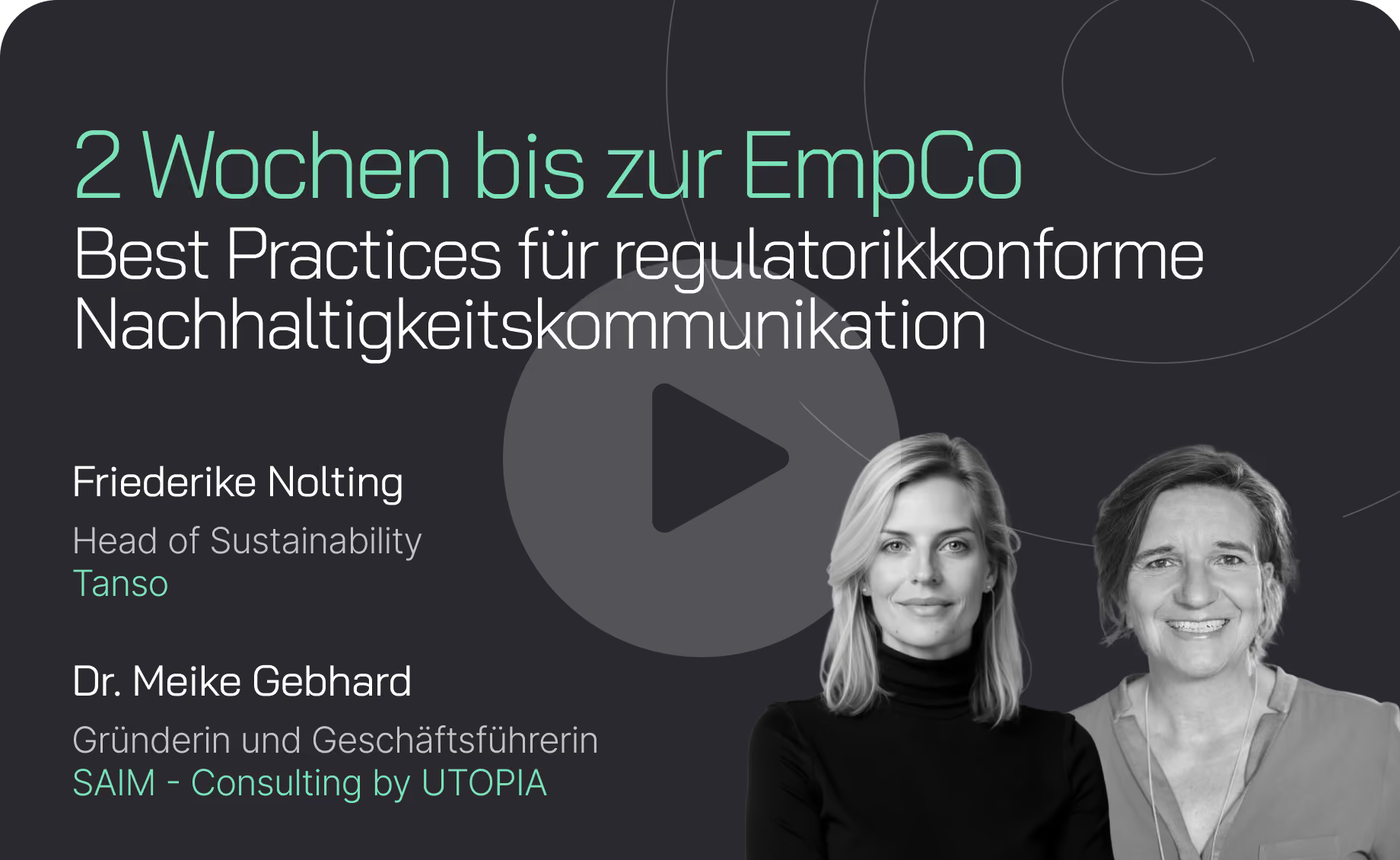
2 Wochen bis zur EmpCo: Best Practices für regulatorikkonforme Nachhaltigkeitskommunikation
ESG
Webinar
July 7, 2026
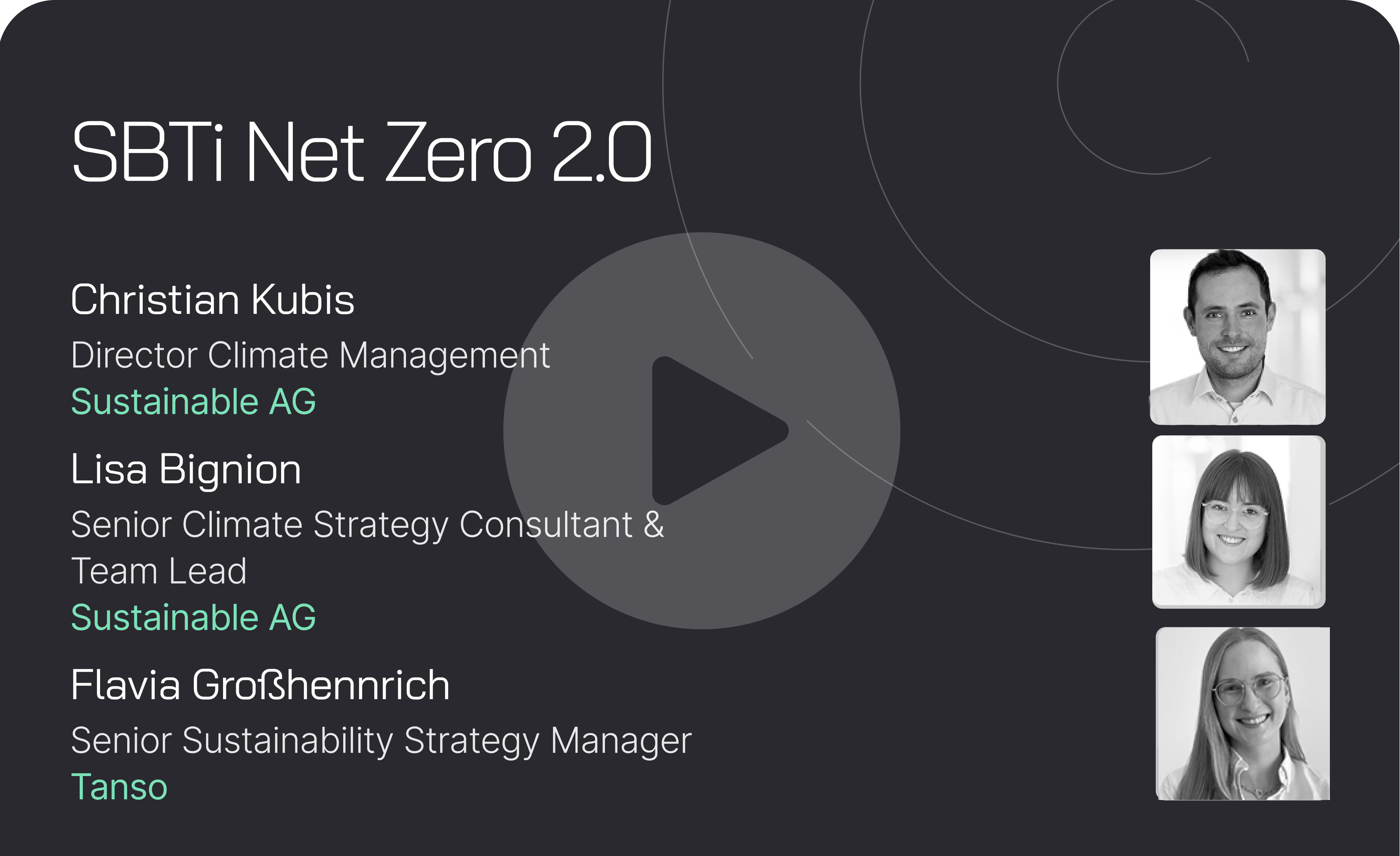
SBTi Net-Zero Standard 2.0: What Companies Need to Know Now
.png)







.avif)