

Collect supplier data efficiently
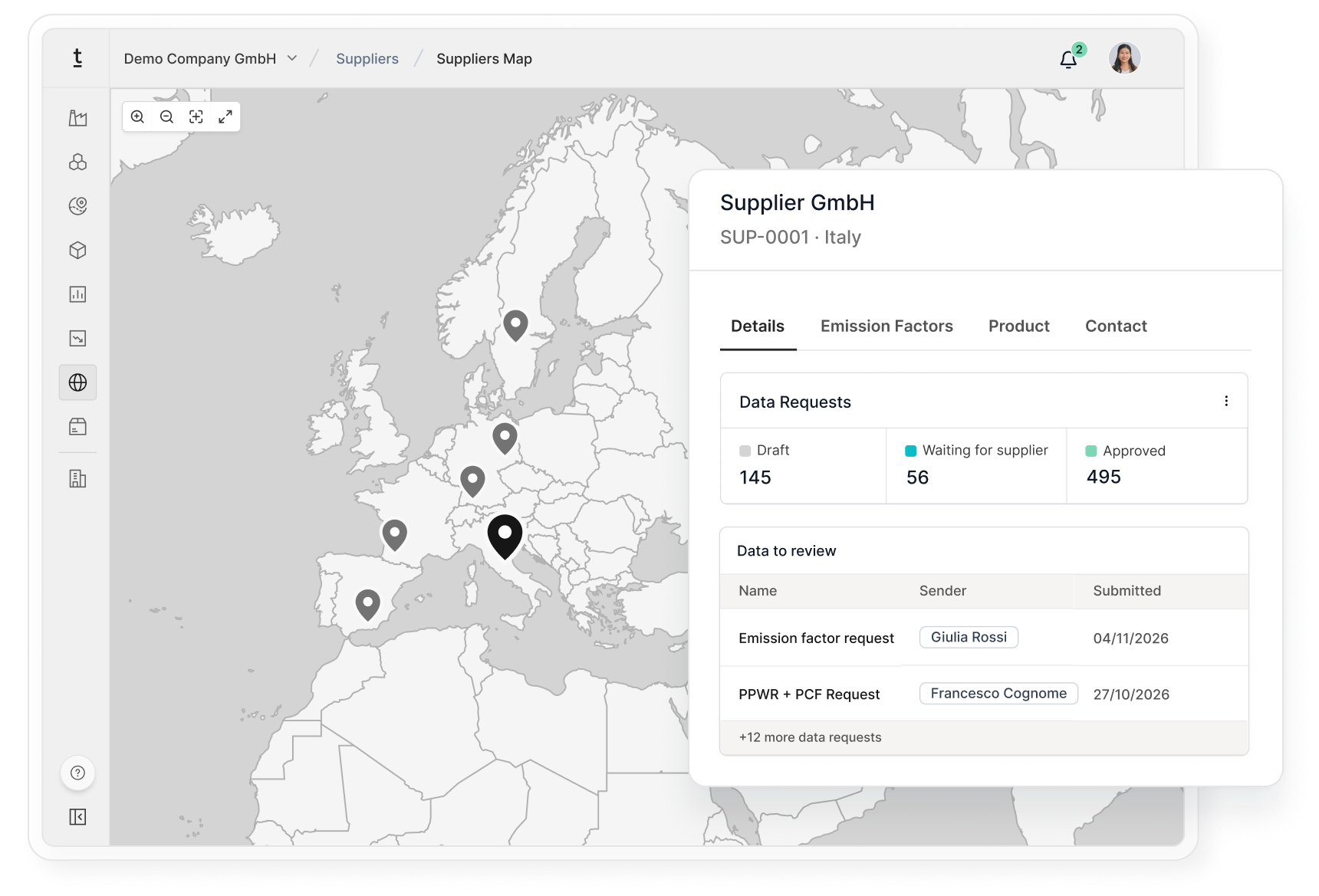
Send emissions requests directly from Tanso, track their status in real time, and transfer the data seamlessly into your PCF, CCF, and PPWR calculations.





What our customers say
iwis
To leverage sustainability as a strategic success factor, reliable data is needed. Tanso provides the necessary foundation to measure sustainability systematically, manage it strategically, and thereby realize long-term competitive advantages.


Everything you need for supplier integration
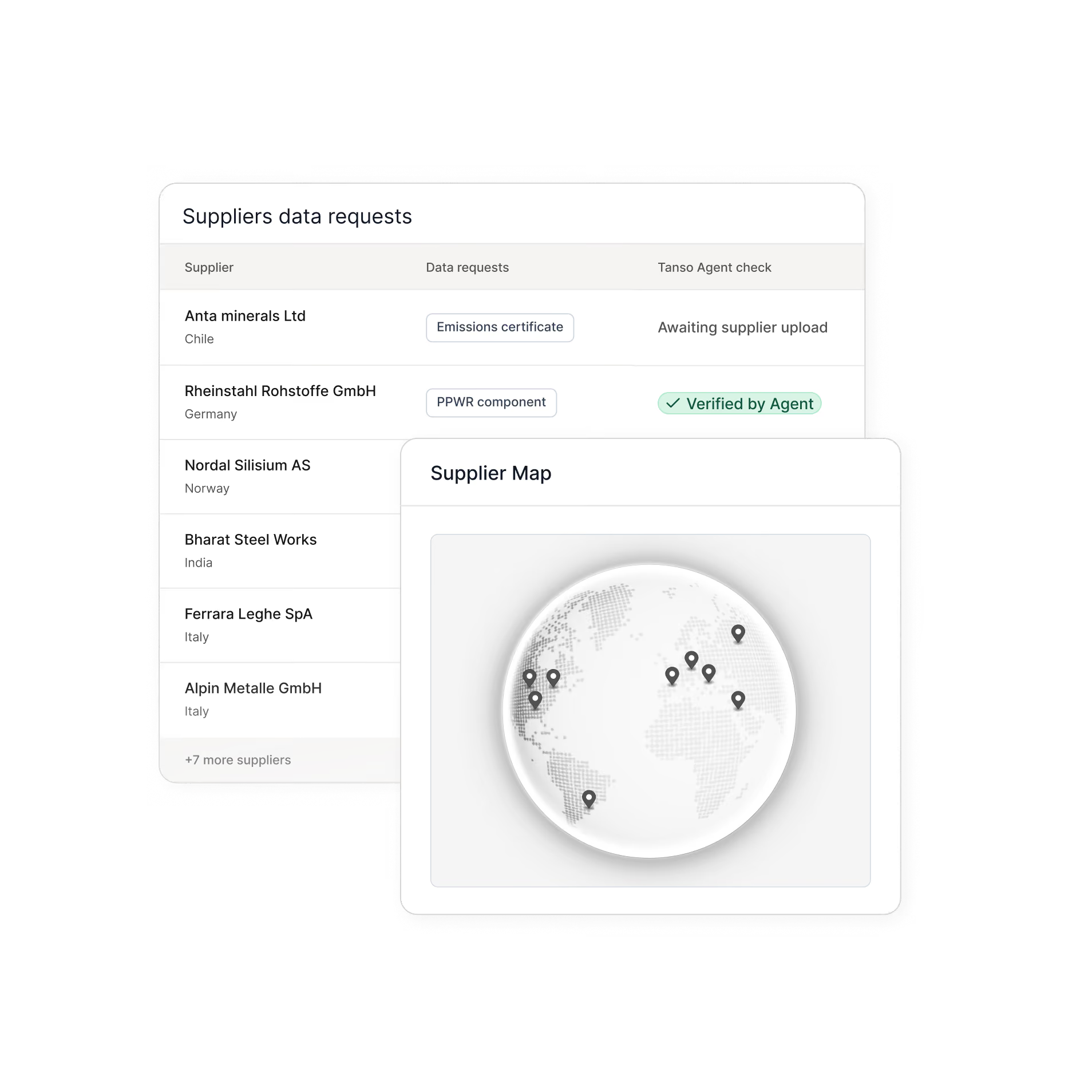
Send targeted supplier requests
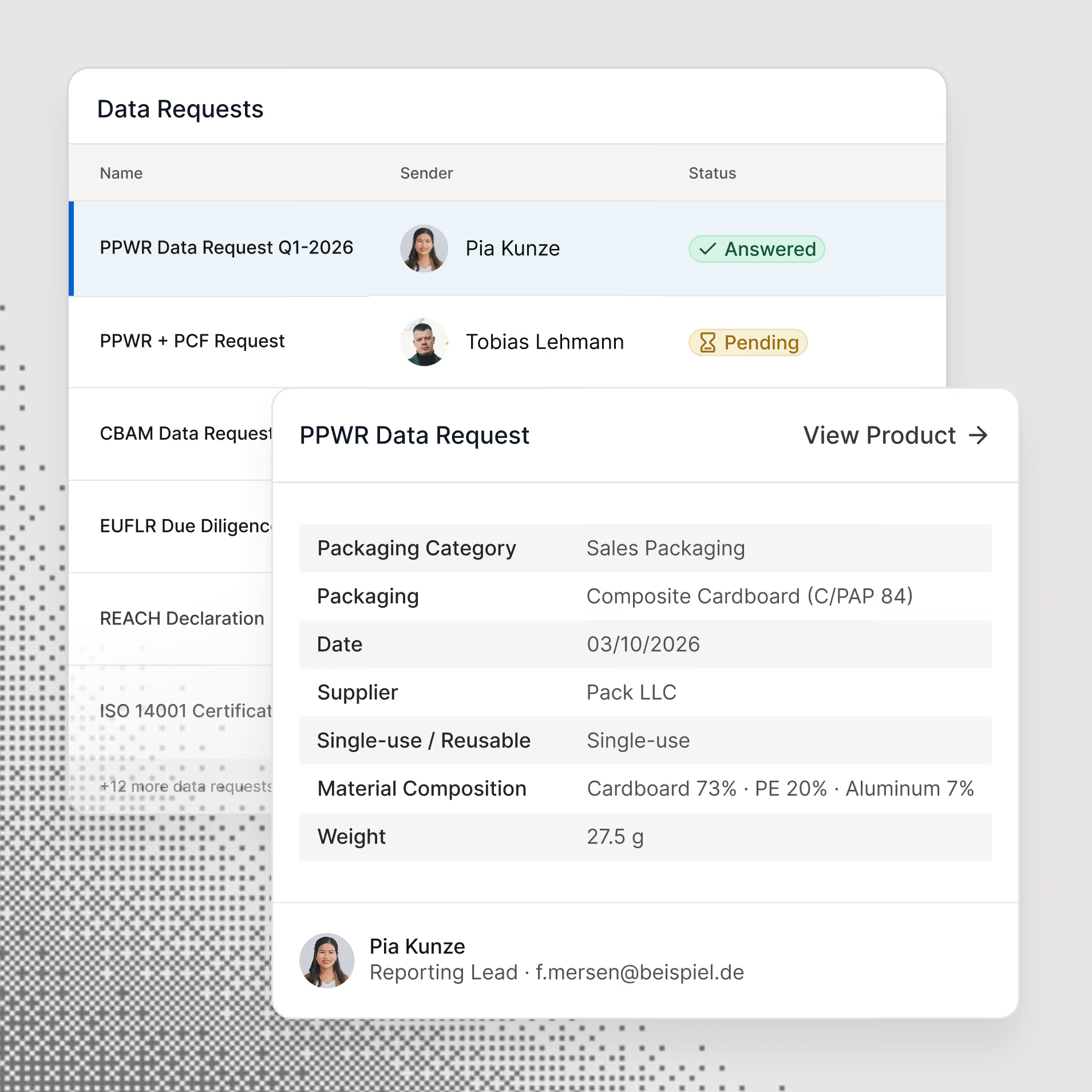
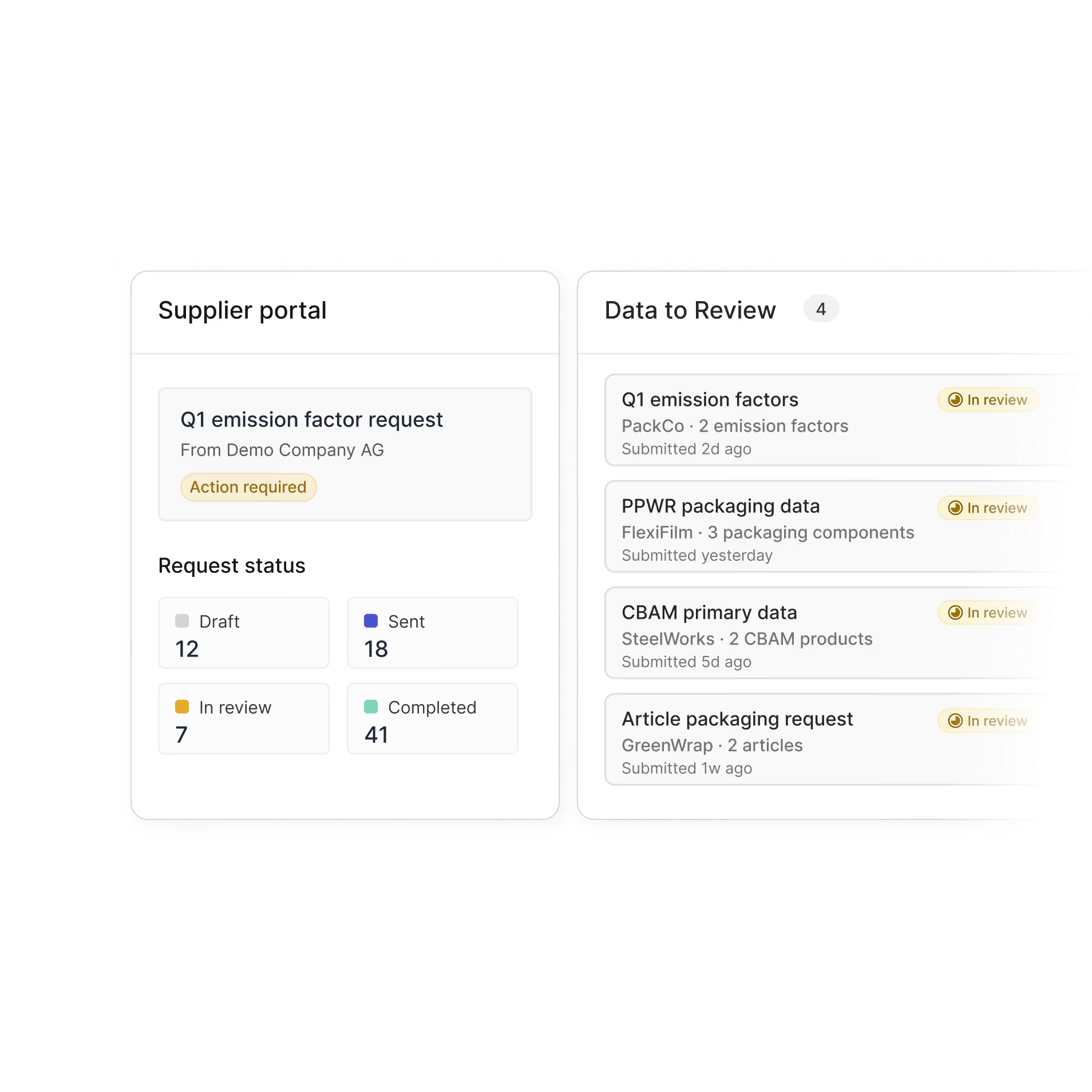
Collect primary data easily
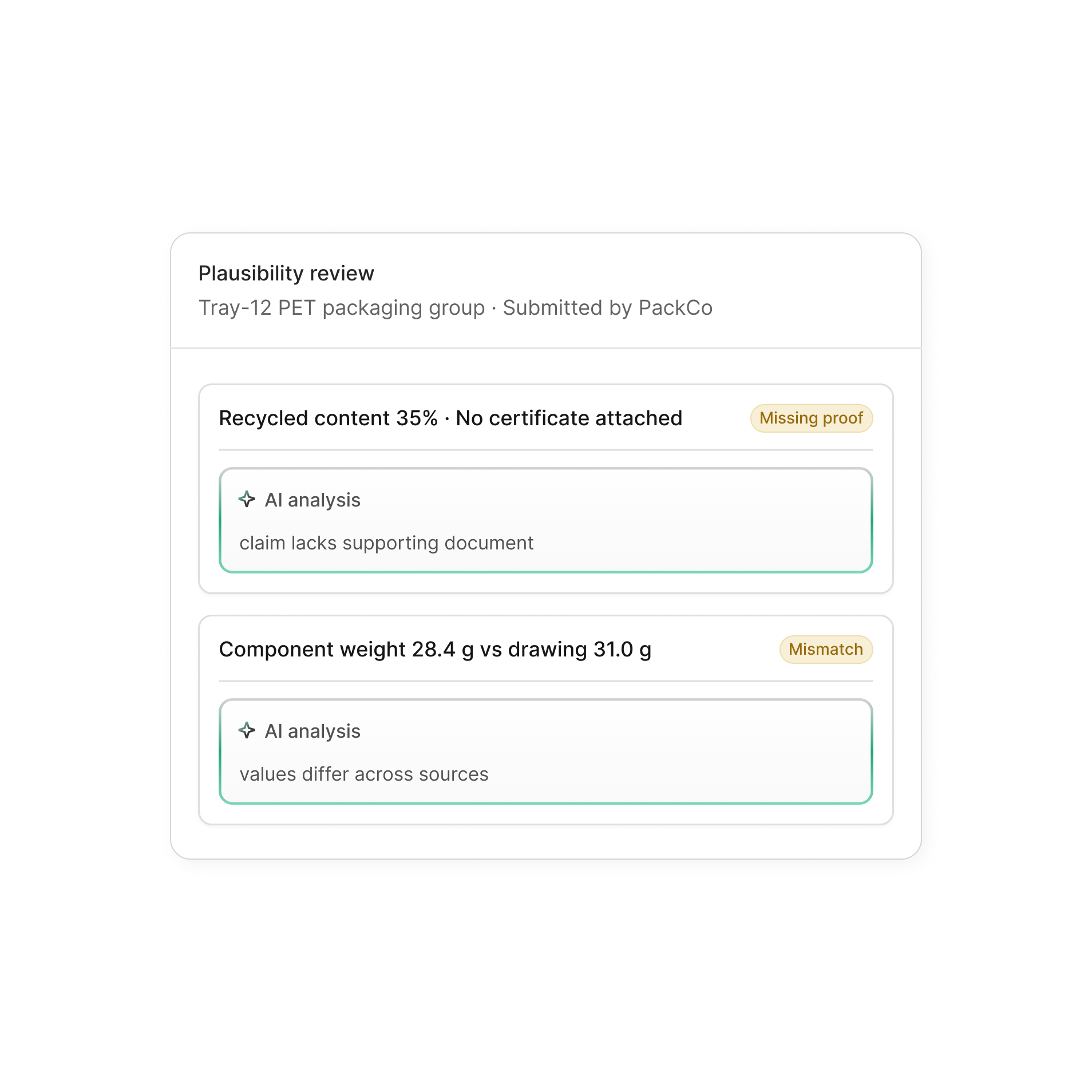
Validate data with AI

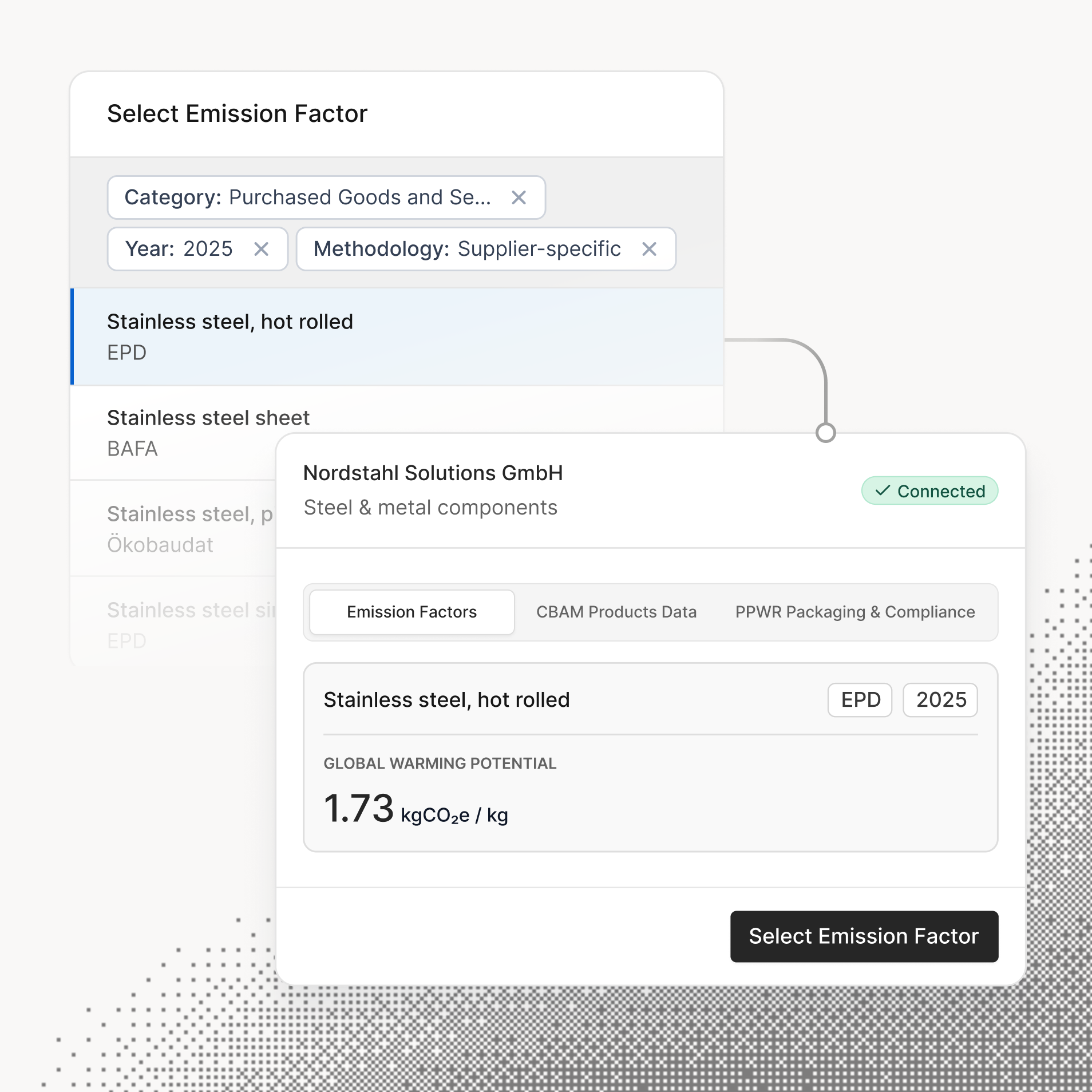
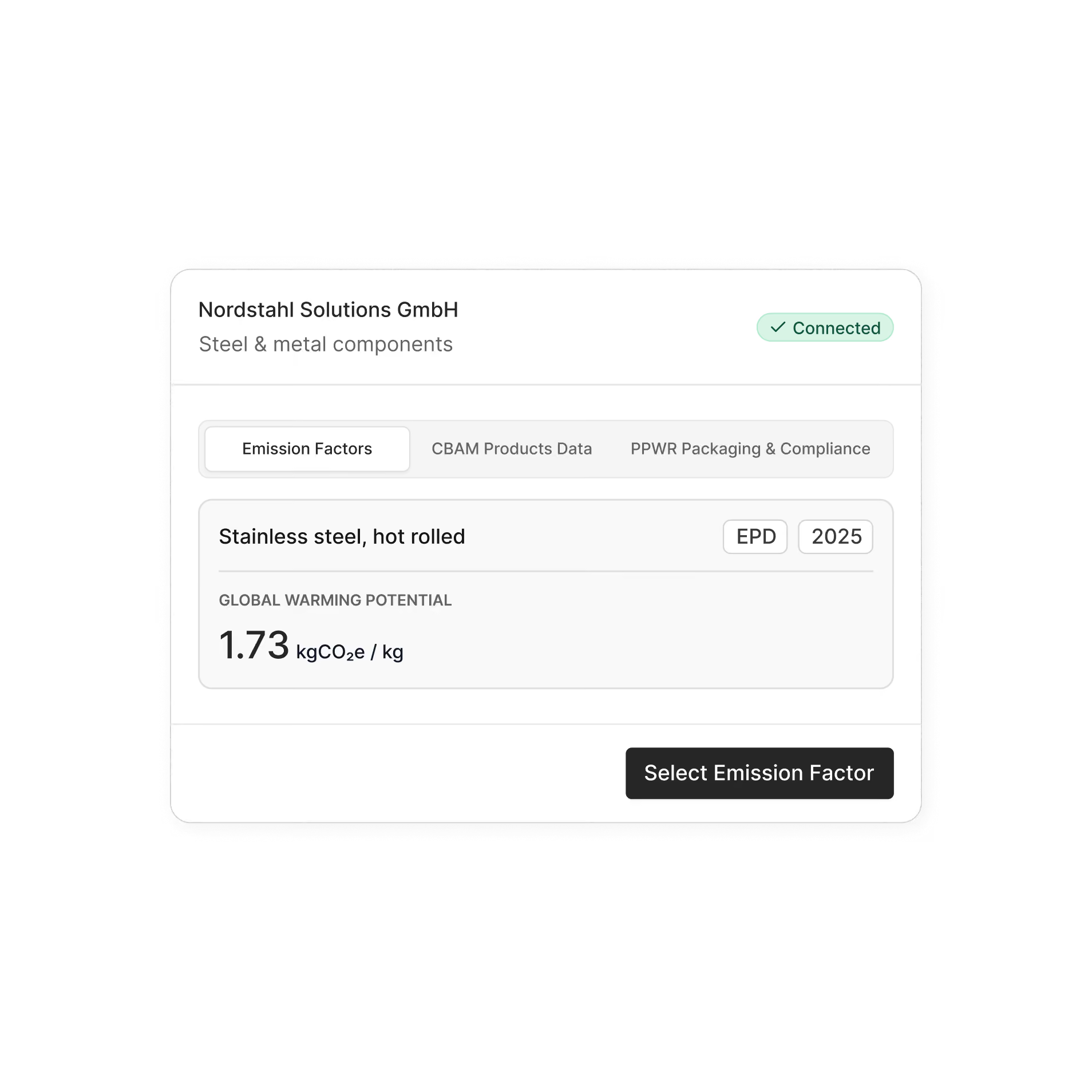
Integrate your data into all modules seamlessly
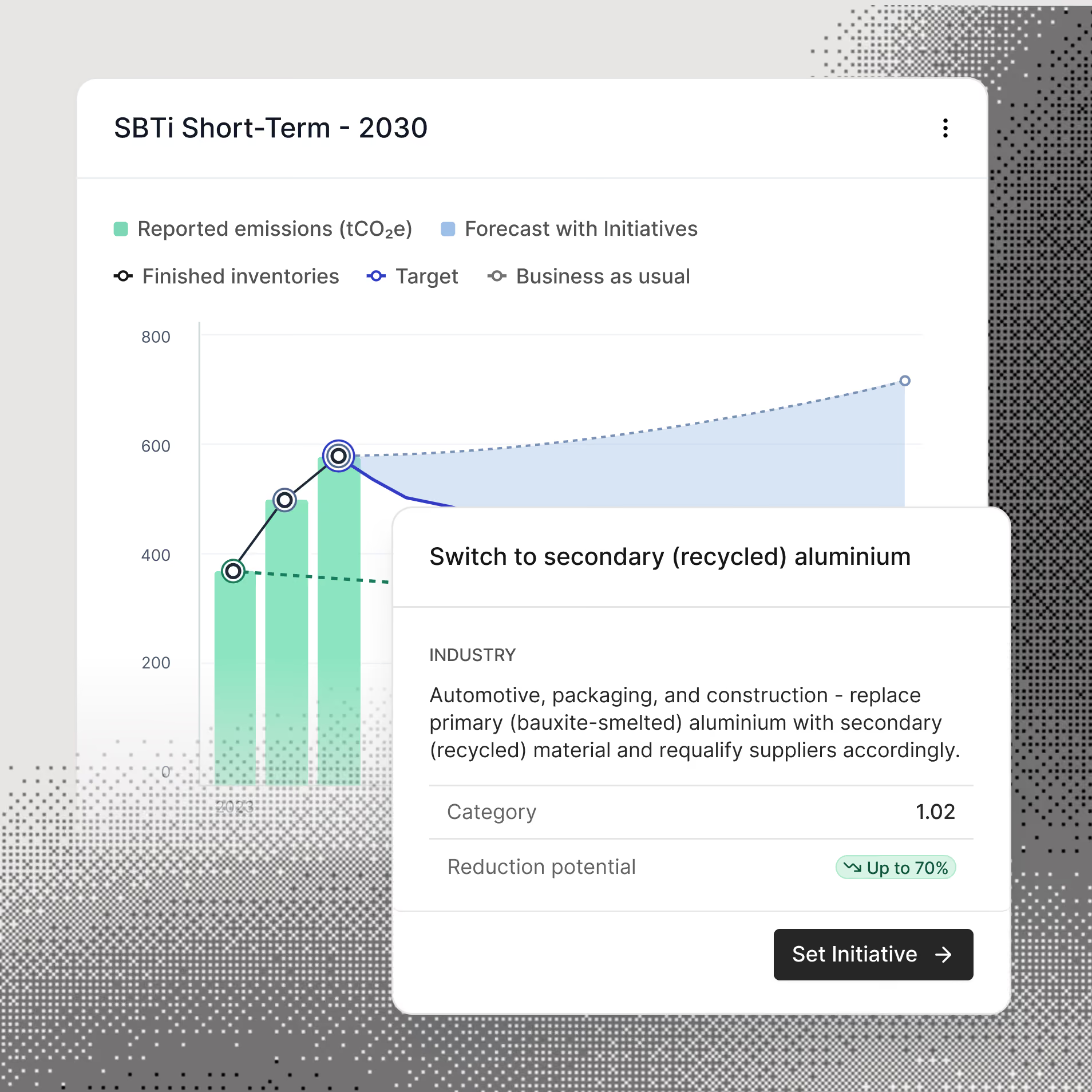
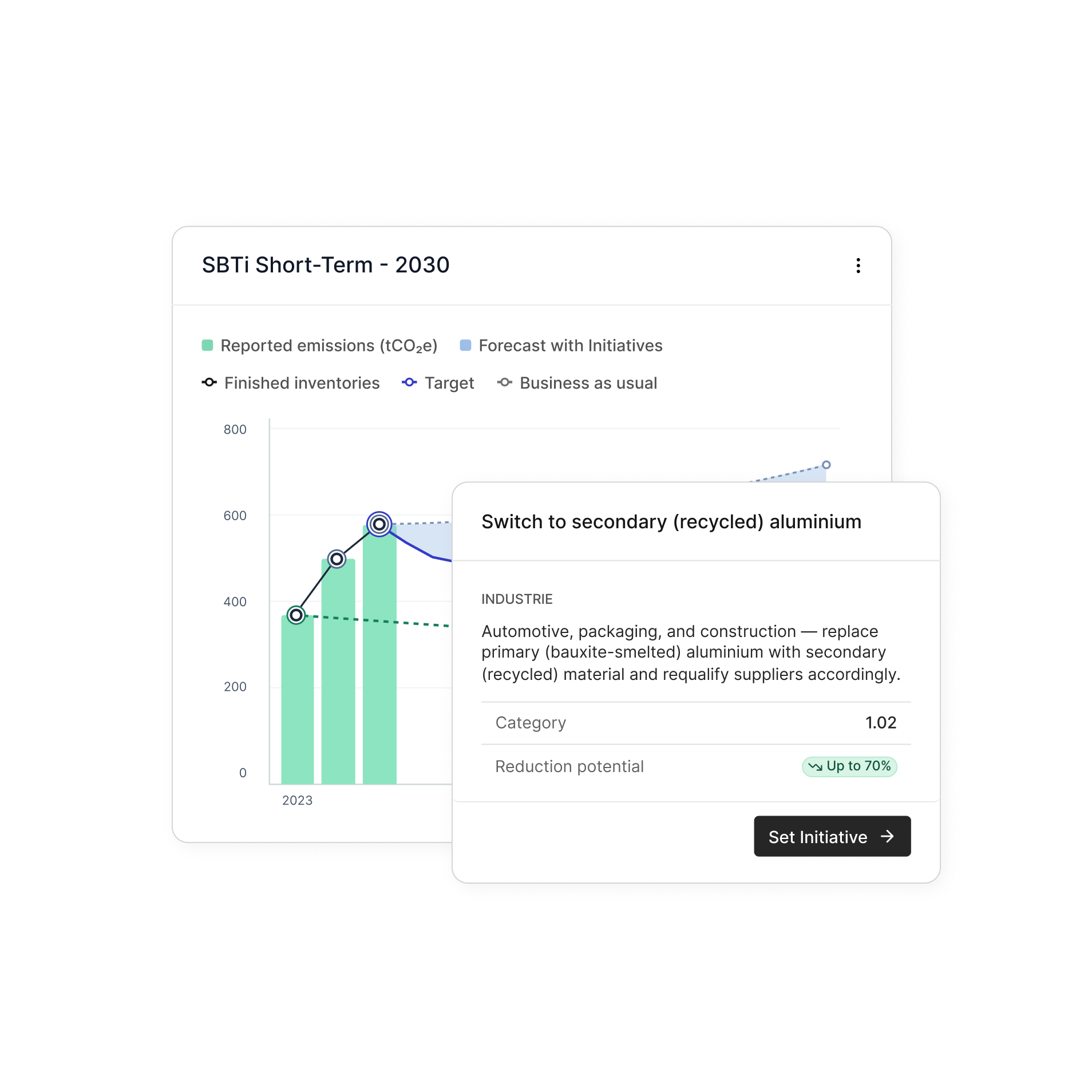
Identify reduction potential
One data collection for PCF, CCF, PPWR, and CBAM
One request, many uses
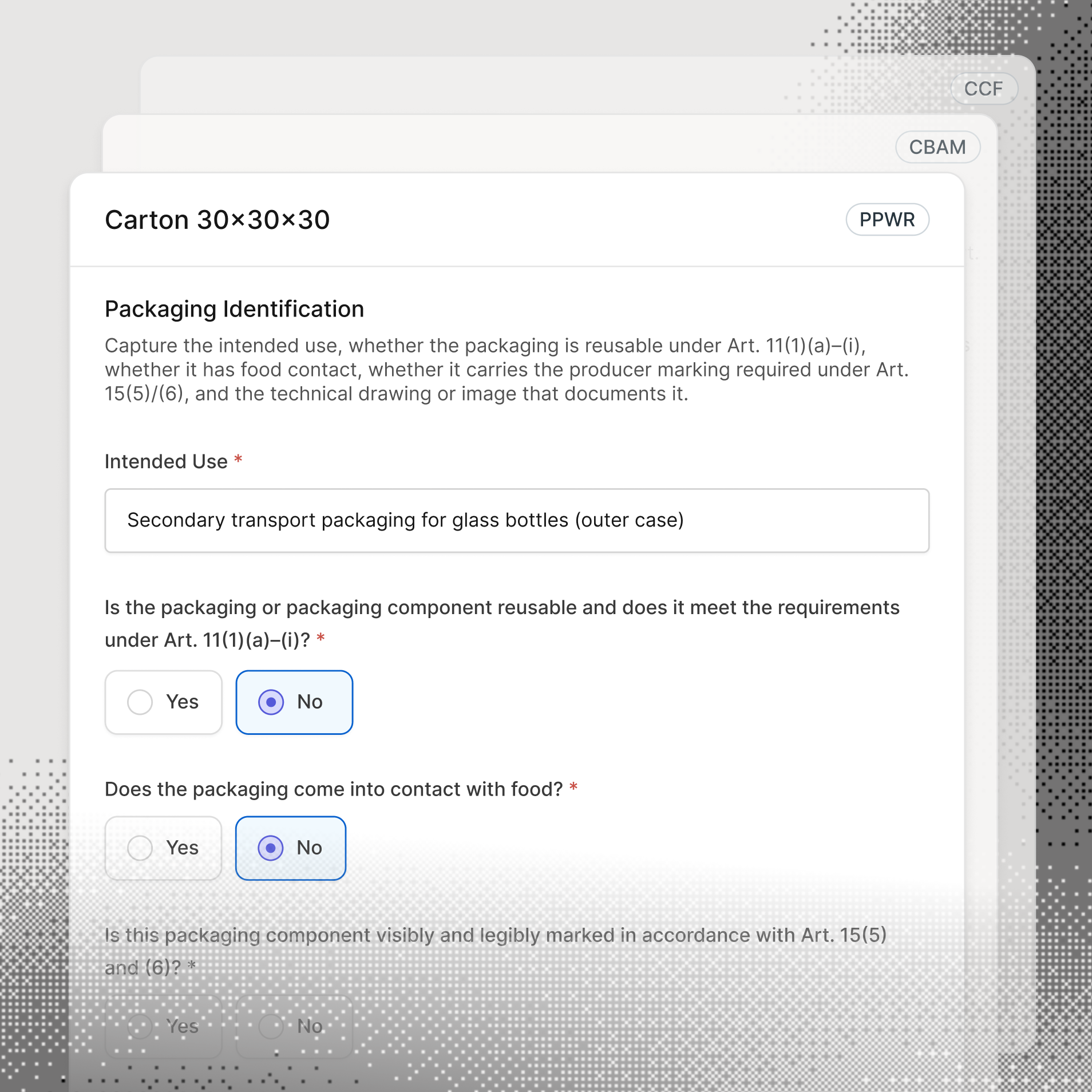
Emissions data for PCF, CCF, and CBAM, or packaging data for PPWR
Your suppliers answer each request only once, via the same portal
Consistent emission factors across all modules
Supplier-specific emission factors you capture once are available throughout PCF, CCF, and CBAM
The same supplier is backed by the same values across every calculation, with no contradictions
Less effort for your suppliers
Your suppliers see at a glance which datapoints have already been requested and answered, regardless of purpose
This avoids duplicate work on their side and improves your response rate
Reliable supply chain data in five steps
Add suppliers and send requests
Collect primary data
Validate data with AI
Integrate into modules
Identify and manage reduction potential
More supplier integration resources












.avif)
.avif)

















Talk to our data collection experts.


Frequently asked questions
What is primary data and why does it matter?
Primary data is company- or supplier-specific data, such as the actual emission values of a product or process, as opposed to generic average values from databases. It improves the accuracy of your carbon footprint, makes emission drivers visible and enables targeted decarbonization and supplier management measures.
What role do suppliers' product carbon footprints (PCF) play?
PCFs from the supply chain provide the basis for reliable Scope 3 calculations, because they reflect the actual emissions of purchased products and materials instead of non-specific average values. They are also the basis for CBAM-compliant reporting on imported goods.
How do I calculate Scope 3 emissions if no primary data is available yet?
Without primary data, the calculation is based on generic emission factors and estimates, for example from Ecoinvent or DEFRA. This is less precise but possible in the short term, and it is a sensible starting point while you collect primary data from suppliers in parallel.
How does Tanso identify reduction potential in the supply chain?
Meaningful analyses identify and segment emission drivers across the value chain. On this basis, Tanso provides industry-specific suggestions for quick carbon savings that you can compare directly with your own reduction targets.
How does supplier data flow into other Tanso modules?
Primary data you collect via the supplier portal is available across PCF, CCF, PPWR and CBAM calculations. You collect data once and use it across modules, instead of requesting it again for each calculation purpose. This applies to emissions data as well as packaging data such as material composition and recycled content.
How does Tanso fit into our existing IT landscape?
Reduction uses the same data foundation as the CCF module and requires no additional IT integration. If your CCF module is already connected to SAP, other ERP systems or a data warehouse, reduction scenarios and reporting work with it automatically.
How does Tanso ensure that suppliers actually respond to requests?
Access without registration significantly lowers the barrier to entry for suppliers. Standardized templates make it easier to respond, and transparent tracking shows suppliers which datapoints have already been answered. This avoids duplicate work on their side and increases the response rate.