

Pragmatic VSME sustainability report for customers, ratings, and capital markets.
From AI-powered materiality assessment with industry benchmarks to a VSME-compliant report. On a data foundation you can later use for CSRD.


What our customers say
By combining CCF data collection, VSME reporting structure, and EcoVadis mapping, ATIS was able to build a cross-standard ESG architecture. Mapping all requirements in Tanso simplifies data collection, makes the entire ESG and EcoVadis process significantly more efficient, and provides the guardrails needed for structured implementation.


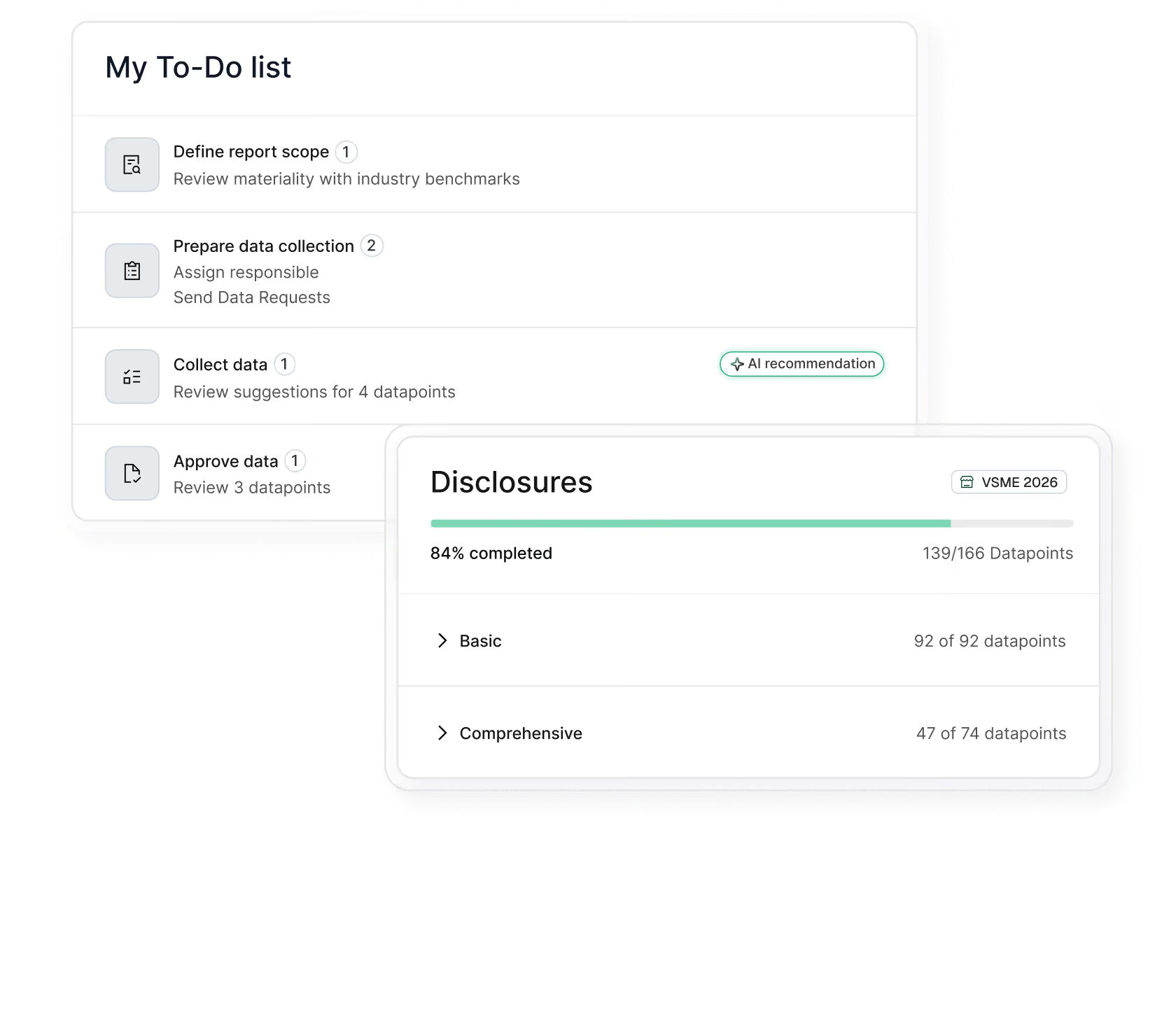
The report drafting agent gave us direct suggestions for 140 of 166 VSME data points. That noticeably sped up our first draft and was extremely helpful throughout the reporting process.


We use our VSME report as the central foundation for external ratings like EcoVadis and CDP, which lets us provide the required metrics and evidence all in one place.


Everything you need for a pragmatic VSME report
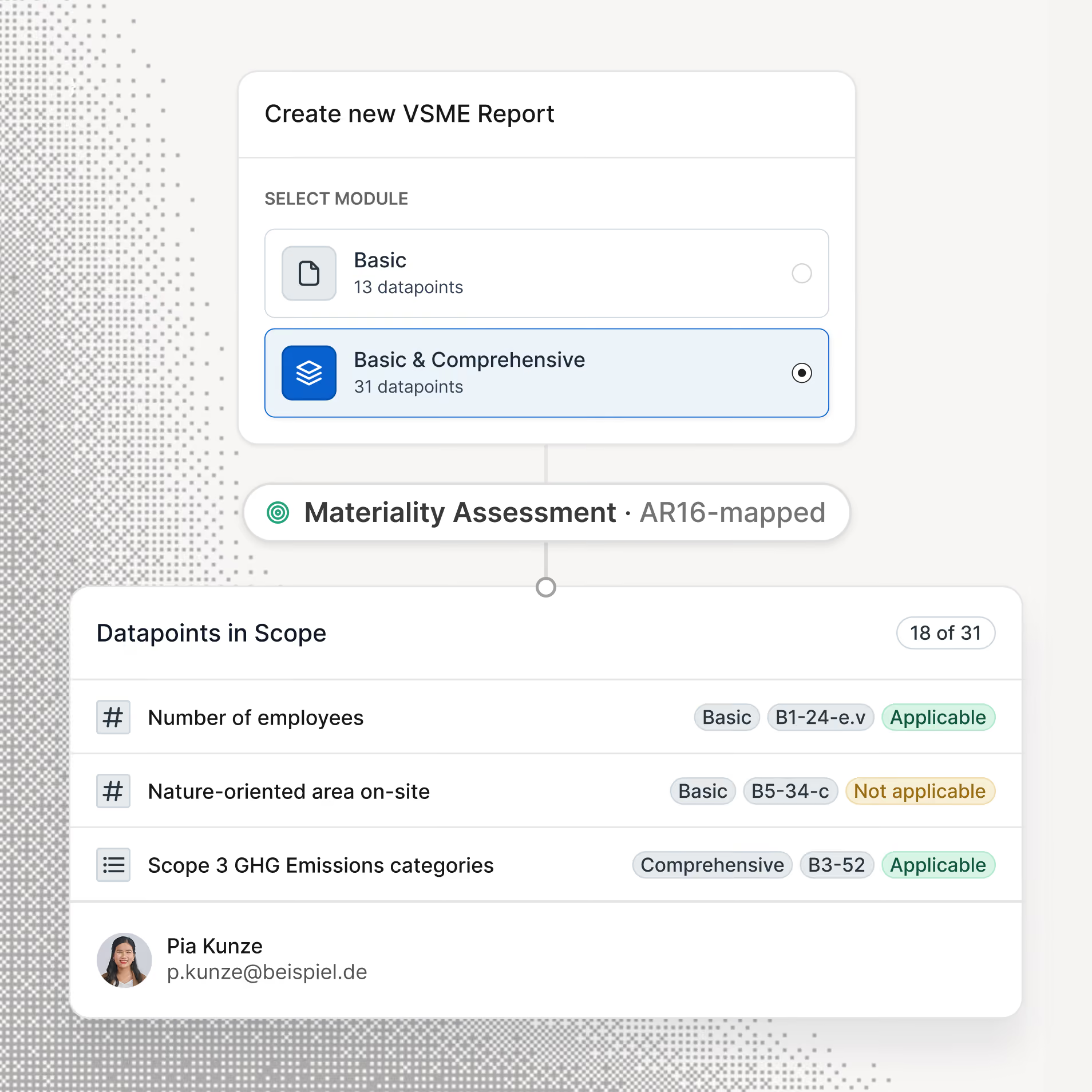
Define your reporting scope
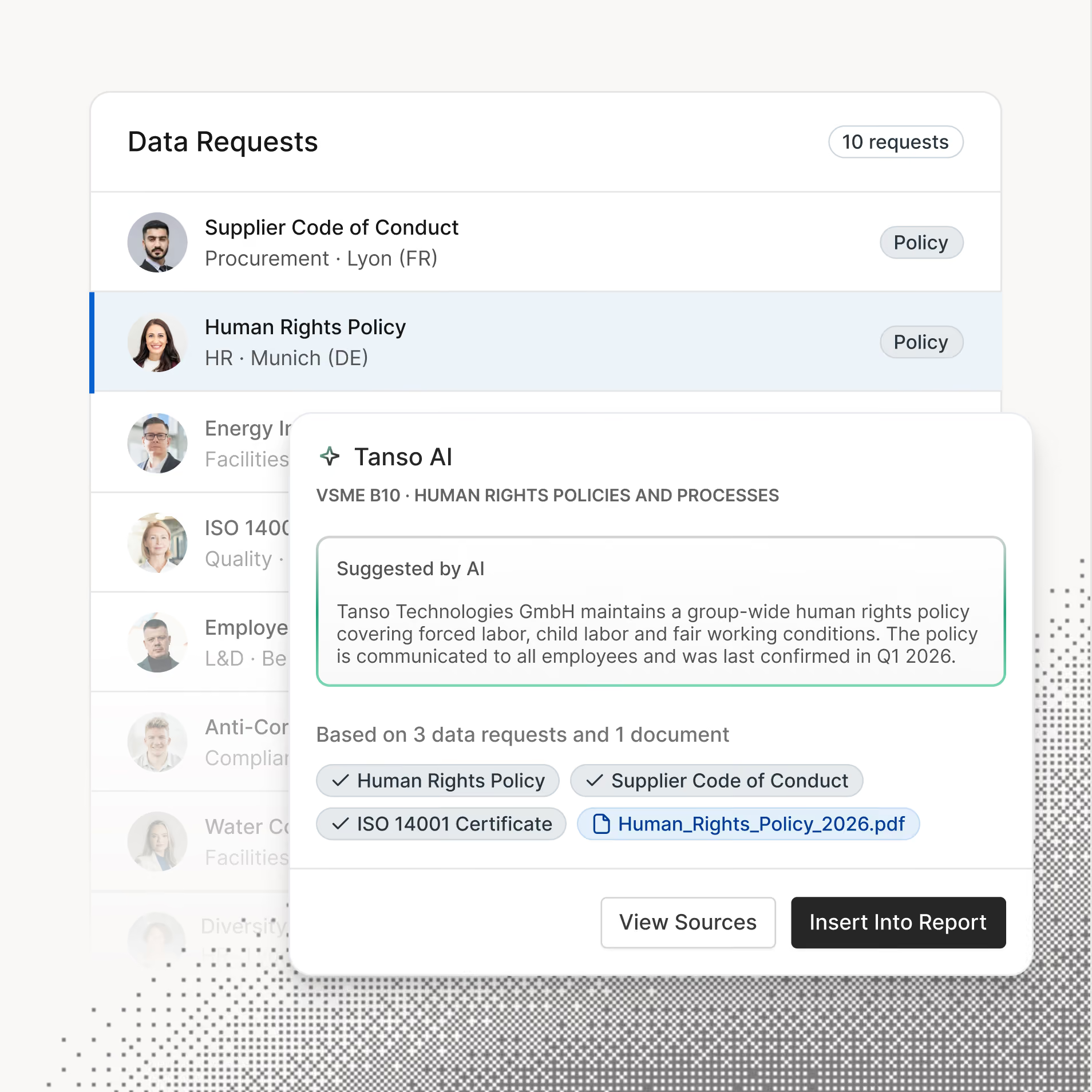
Collect data locally and map it automatically
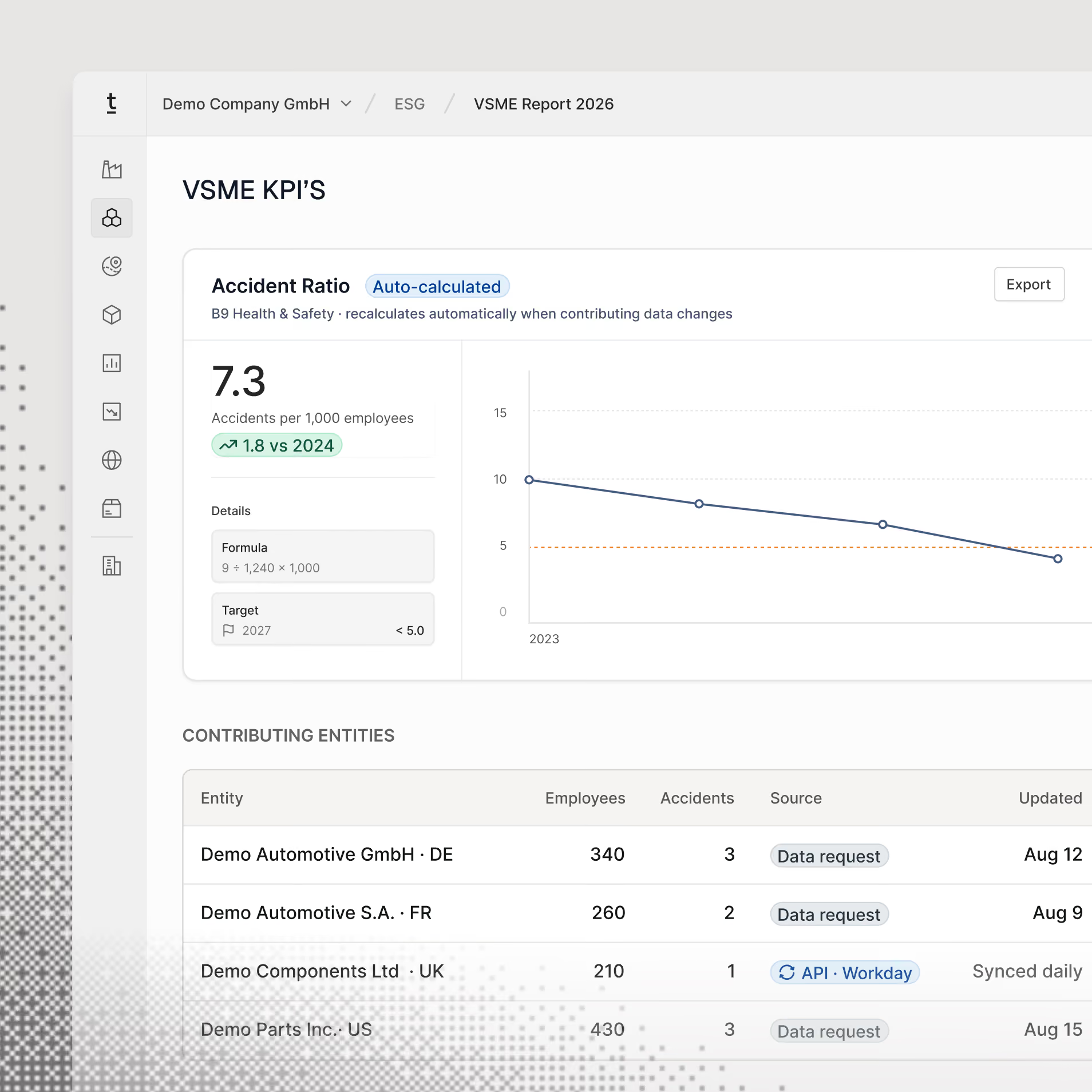
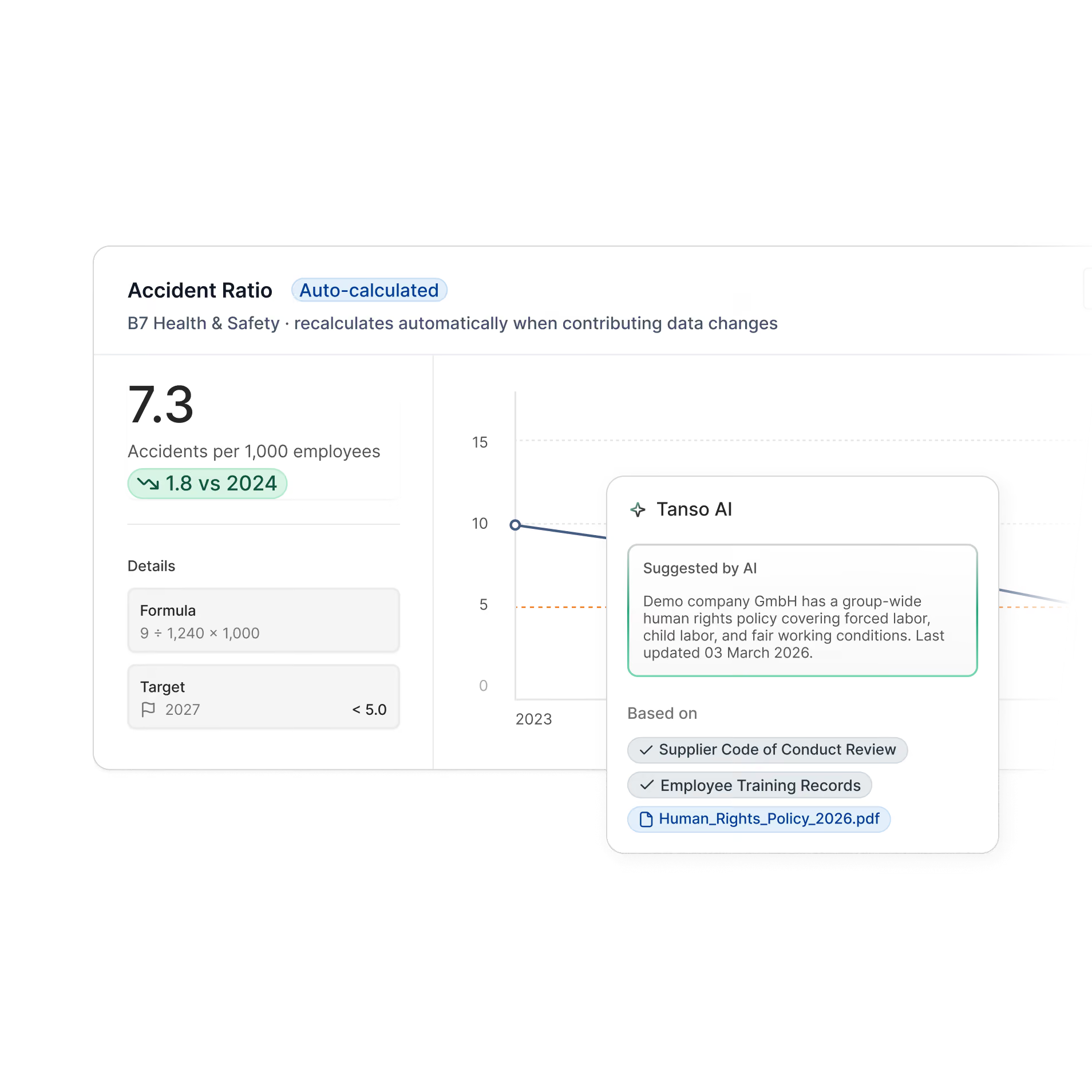
Calculate KPIs and manage targets dynamically
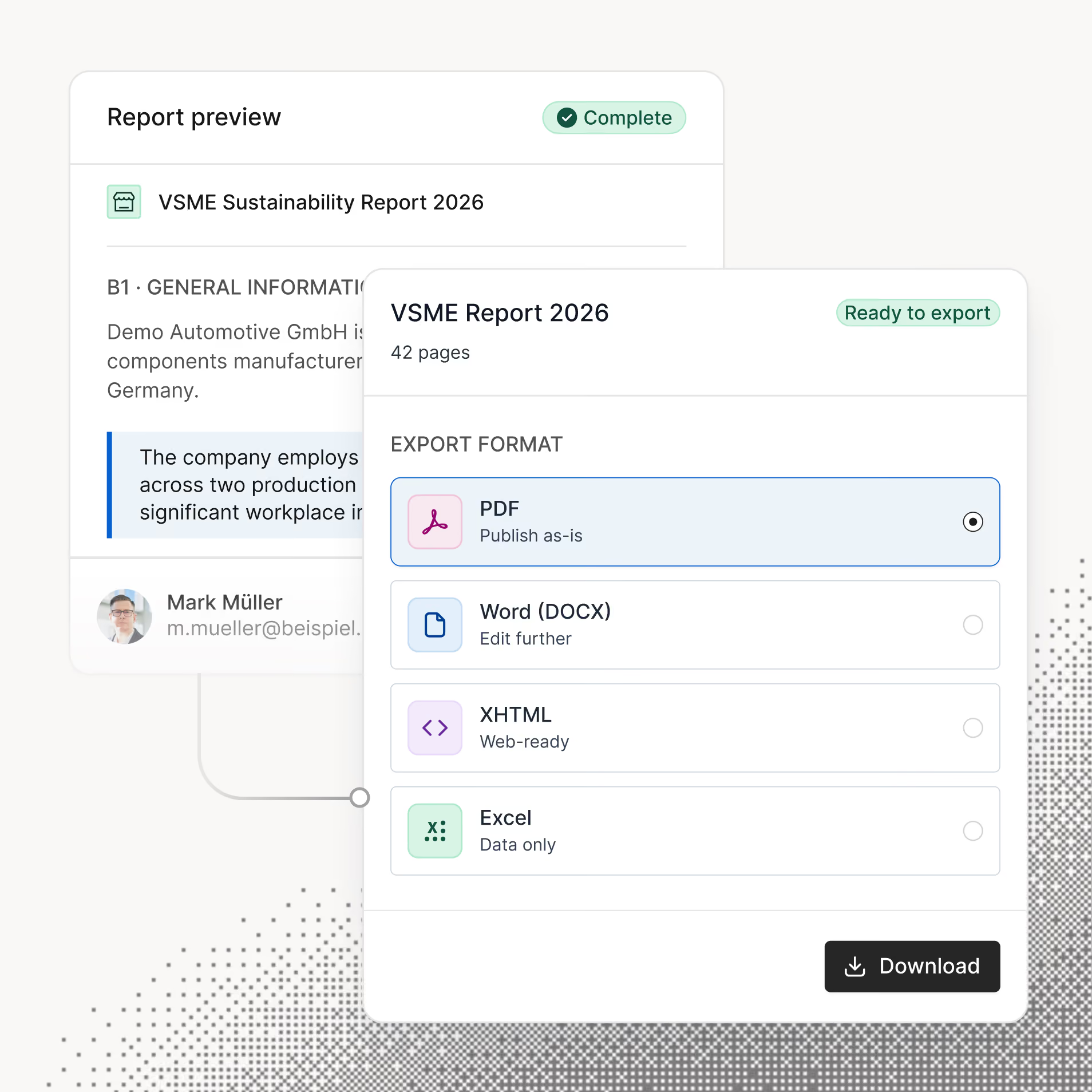
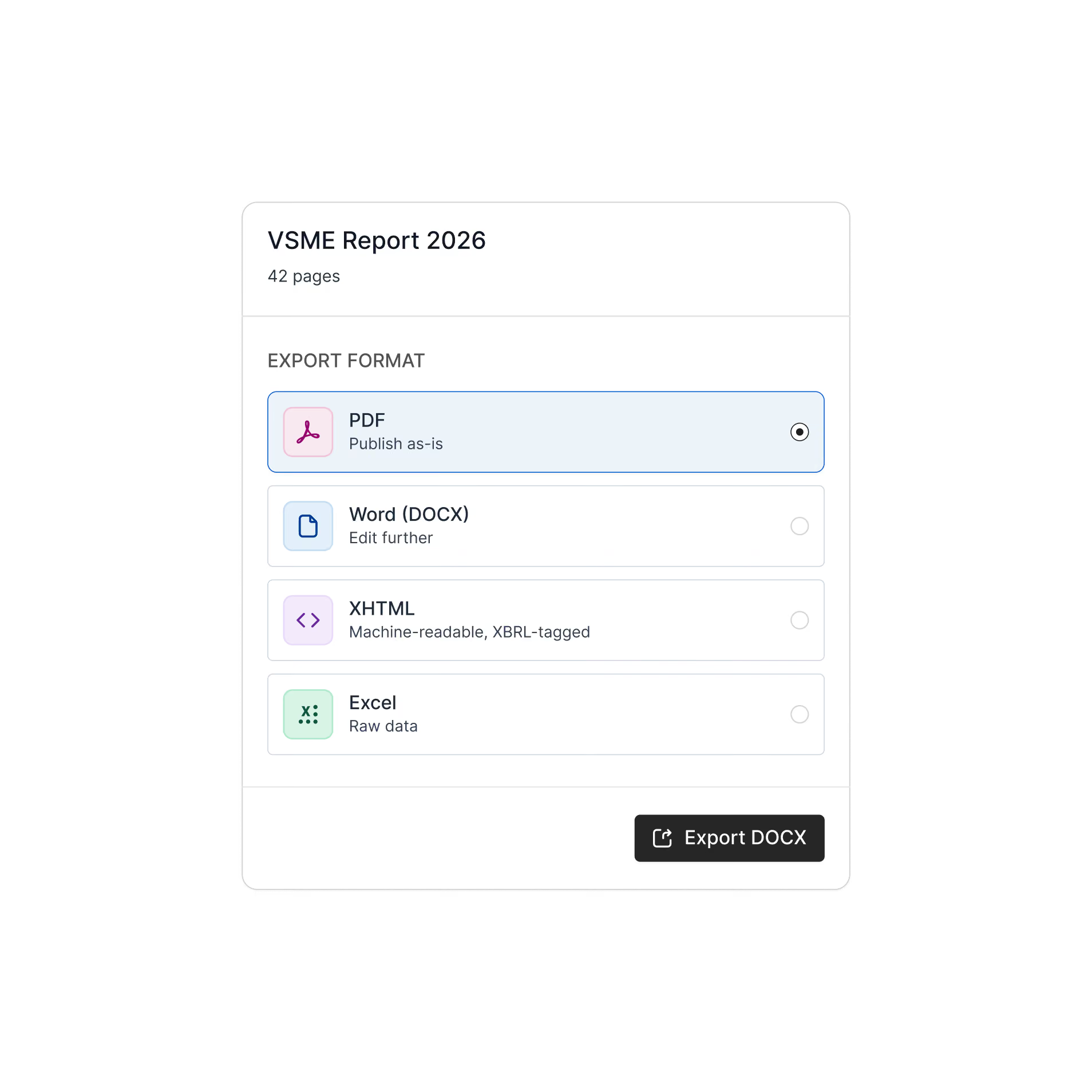
Report in line with VSME and export flexibly
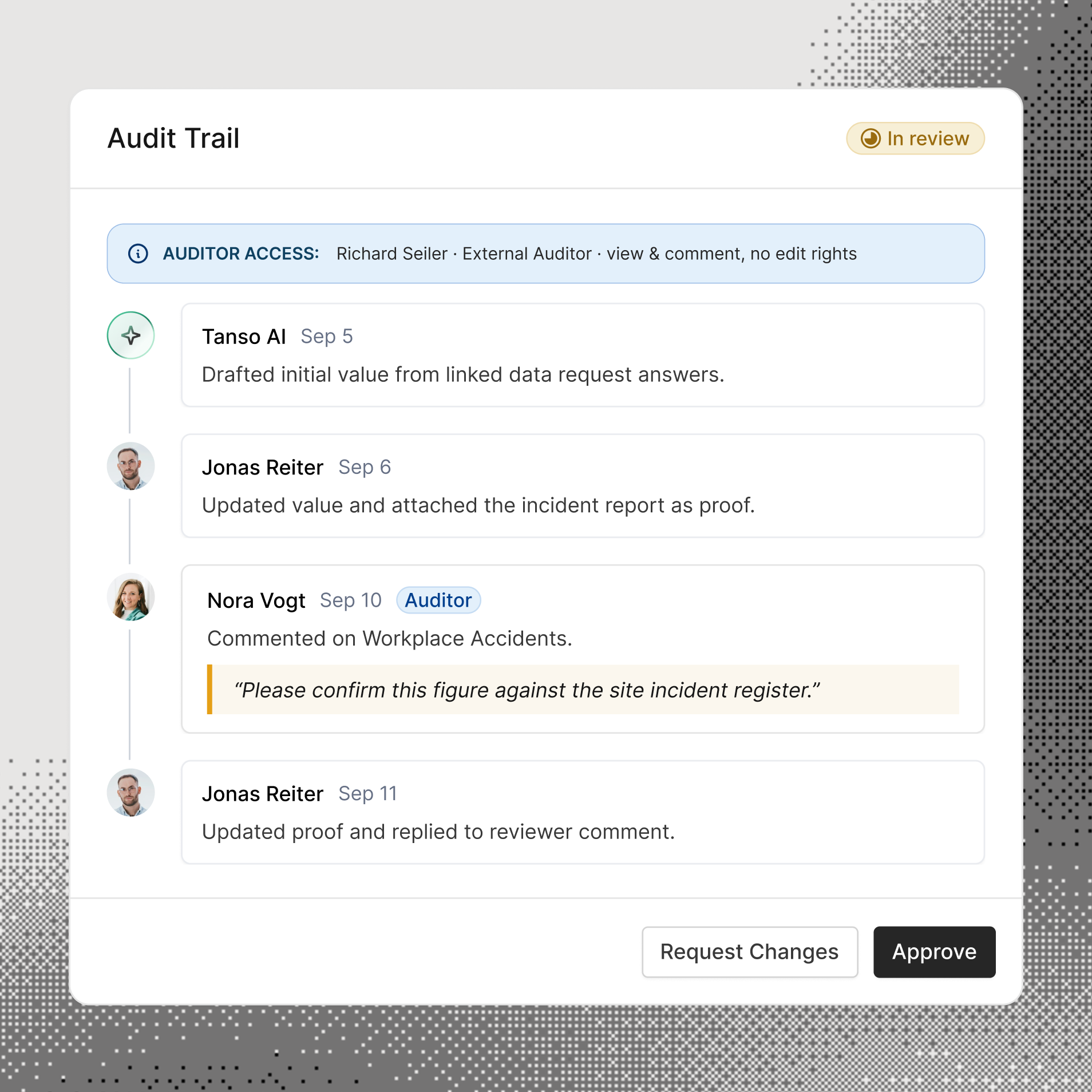
Prepare audit-ready data and get ready for CSRD
Results with Tanso
80%
19.5
VSME as your value chain cap: Protection against unlimited data requests from your CSRD customers.
A defined scope instead of endless requests
You keep customer requests for sustainability data to a clear, manageable scope
Requests that go beyond VSME can be declined with reference to the value chain cap
A stronger position with key accounts
You approach customers subject to CSRD in a structured, compliant way
Instead of answering individual Excel requests, you deliver one consistent standard report
A strategic edge through structured transparency
You demonstrate sustainability maturity without carrying the full CSRD workload
This builds trust with customers, banks, and investors
Synergies with CCF, PCF, and CSRD: One dataset, from pragmatic VSME to full CSRD.
Synergies from day one
Carbon data from the Tanso CCF module flows directly into your VSME climate disclosures
PCF data supports product-related claims
No duplicate collection, no datapoint entered twice
Expandable with VSME+
For company-specific topics, you collect additional datapoints as part of VSME+
You can later use this data directly for rating questionnaires such as EcoVadis, SBTi, and GRI
CSRD migration without changing systems
As soon as CSRD applies to you, or you decide to grow into it, you activate the Double Materiality Assessment, ESRS datapoints, and XBRL support in the same Tanso environment
Your existing VSME data foundation serves as the basis
Your VSME report in four steps
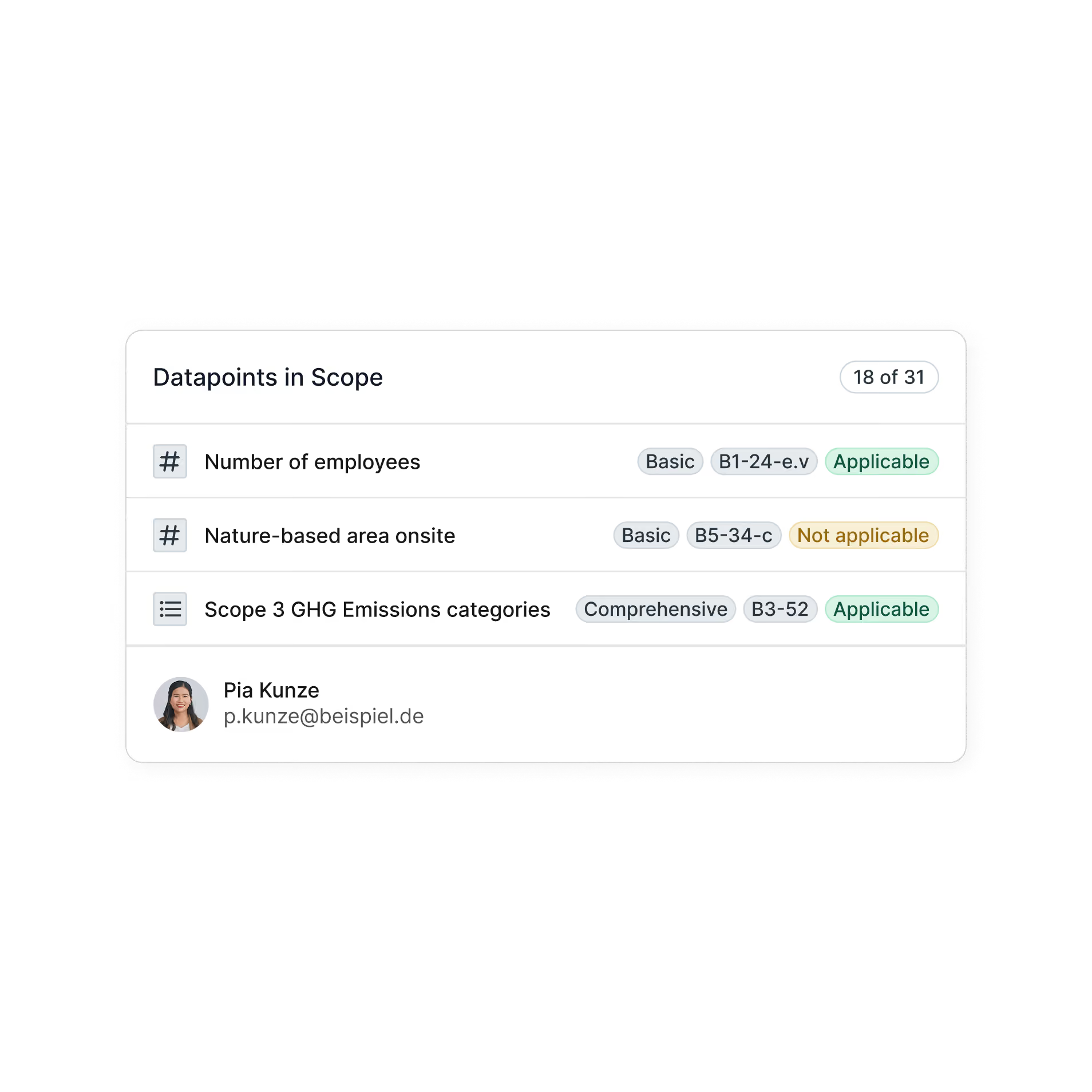
Define your reporting scope
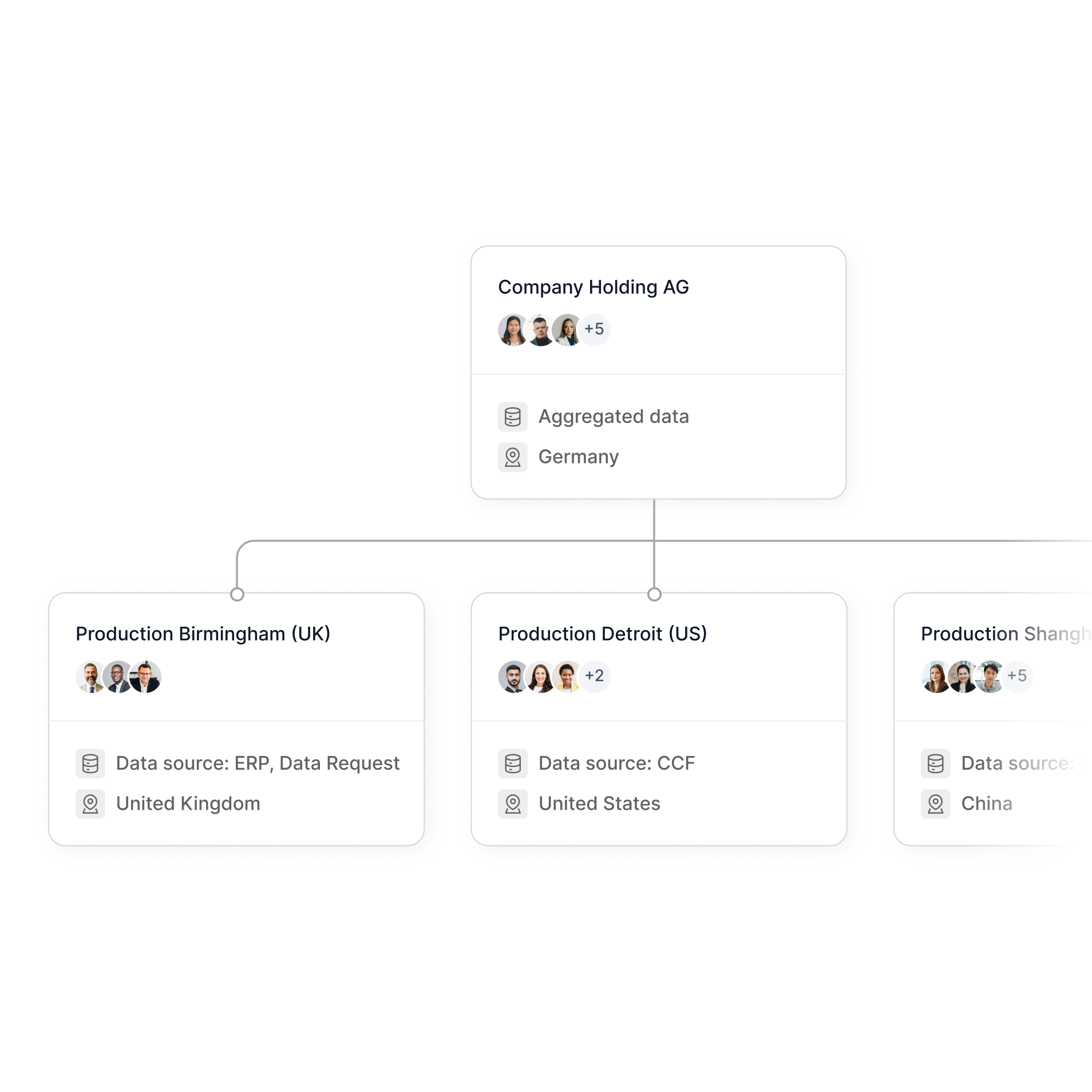
Collect and map data across your organization
Calculate and interpret KPIs
Create and share your report
More VSME resources







Talk to our VSME experts.


Frequently asked questions
Is it possible to report only parts of the Comprehensive module?
Yes. In the Comprehensive module, you can voluntarily decide which disclosure requirements you fulfill. If individual datapoints are omitted, the VSME automatically assumes that they do not apply to your company.
Can we switch from the VSME to the CSRD later?
Yes, without changing systems. Your existing VSME data foundation forms the basis for the CSRD. You activate the double materiality assessment, ESRS datapoints, and XBRL support in the same Tanso environment as soon as the CSRD obligation applies or you decide to grow into it strategically.
What is the VSME?
The VSME (Voluntary Sustainability Reporting Standard for SMEs) is the voluntary reporting standard for non-listed SMEs and industrial companies. In the context of the CSRD, and specifically through the EU Omnibus proposal, the VSME takes on a new role: it is intended to act as a so-called value chain cap.
What does VSME+ mean?
VSME+ refers to the approach of adding further company-specific datapoints to those of the Basic and Comprehensive modules. The goal is to collect data for other ESG standards and rating questionnaires such as CDP, GRI, SBTi or EcoVadis in parallel.
Who uses the VSME and who is required to report?
The VSME is voluntary and aimed at companies that are not subject to the CSRD. Even so, many industrial companies choose the VSME because customers, ratings and banks demand structured sustainability data. The VSME is also the preferred standard for responding to sustainability requests along the supply chain.
How does Tanso fit into our existing IT landscape?
Reduction uses the same data foundation as the CCF module and requires no additional IT integration. If your CCF module is already connected to SAP, other ERP systems or a data warehouse, reduction scenarios and reporting work with it automatically.
How does the pragmatic materiality assessment work in the VSME?
Unlike the CSRD, the VSME does not require a double materiality assessment. Tanso supports you in selecting relevant datapoints with AR16 mapping and industry benchmarks. The "if applicable" principle allows selective reporting, so you only address the datapoints that actually apply to your company.