

Climate strategy with a business case based on your CCF data
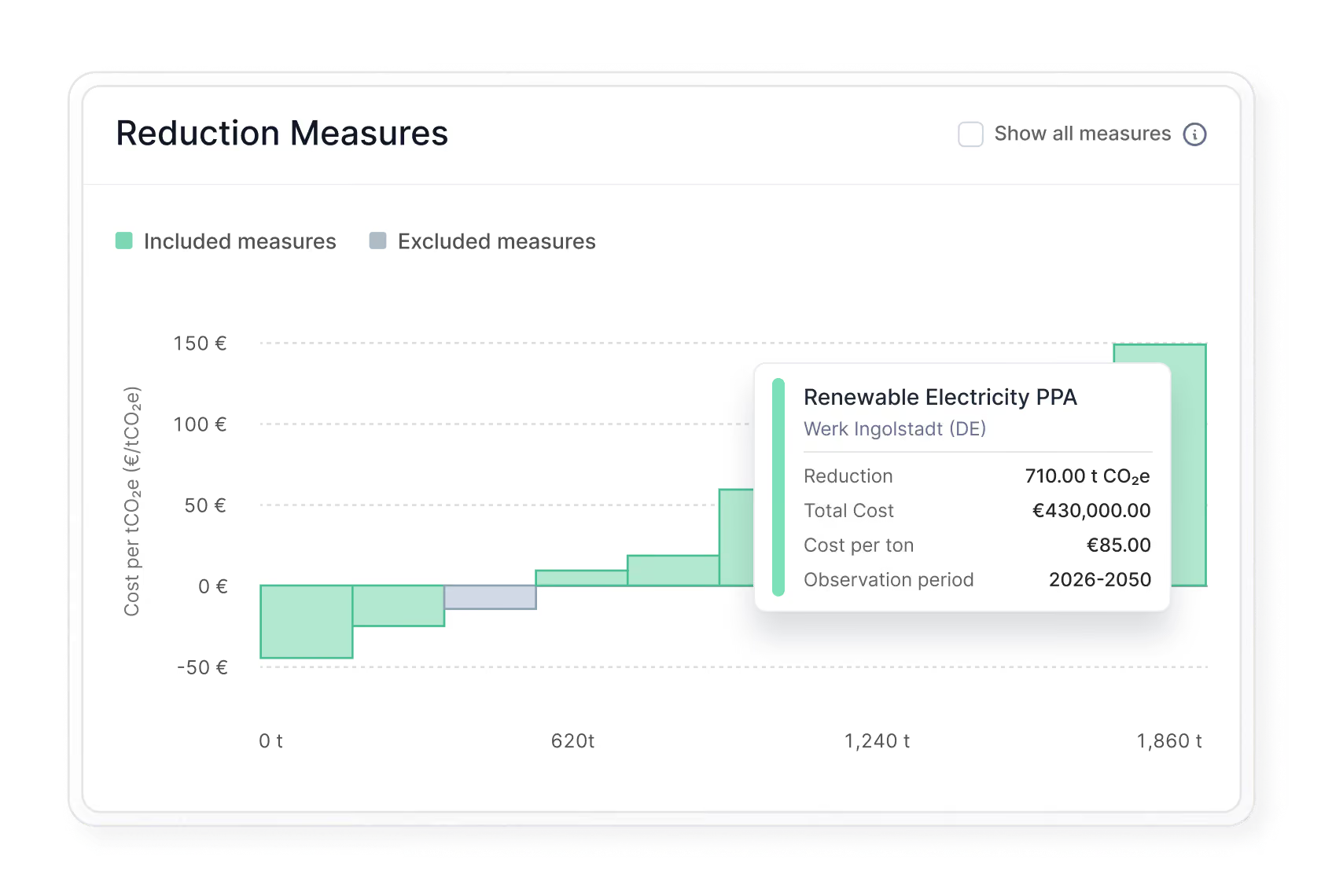
Use data to rioritize reduction measures by decarbonization lever and ROI. From MAC curve analysis and SBTi targets to investor communication.


What our customers say
With Tanso, we were able to significantly reduce the effort involved in carbon accounting while building a reliable data foundation for the first time. This creates transparency around our emissions and allows us to make informed decisions about future reduction measures.


With Tanso, we were able to analyze our emissions in a structured way for the first time and identify our key hotspots. The analytics features show us clearly where the biggest levers are, particularly in Scope 3 and in adhesives within Scope 3.1. That gives us a solid basis for developing targeted reduction measures.


The goals we'd set ourselves felt hard to pin down for a long time. With Tanso, we were able to break them down into concrete, quantified measures, and see for the first time whether we're on an SBTi-aligned path or not.


Tanso covers the entire journey for us: we create the Corporate Carbon Footprint and then use the reduction module to prepare our SBTi target-setting. What's especially helpful is that the emission reduction compared to the 2024 base year is shown directly in the tool.


Everything you need for climate strategy ROI
Build on your CCF
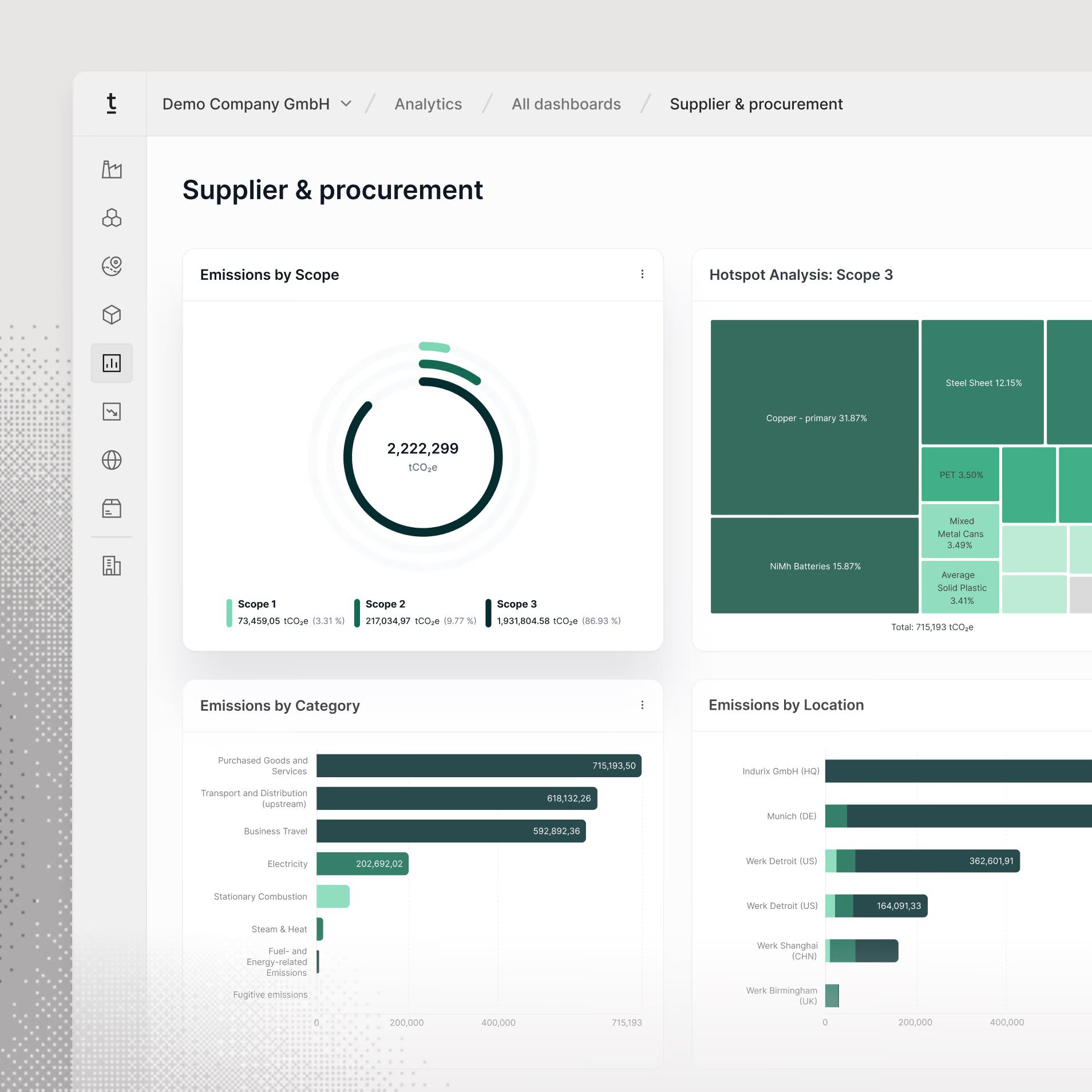
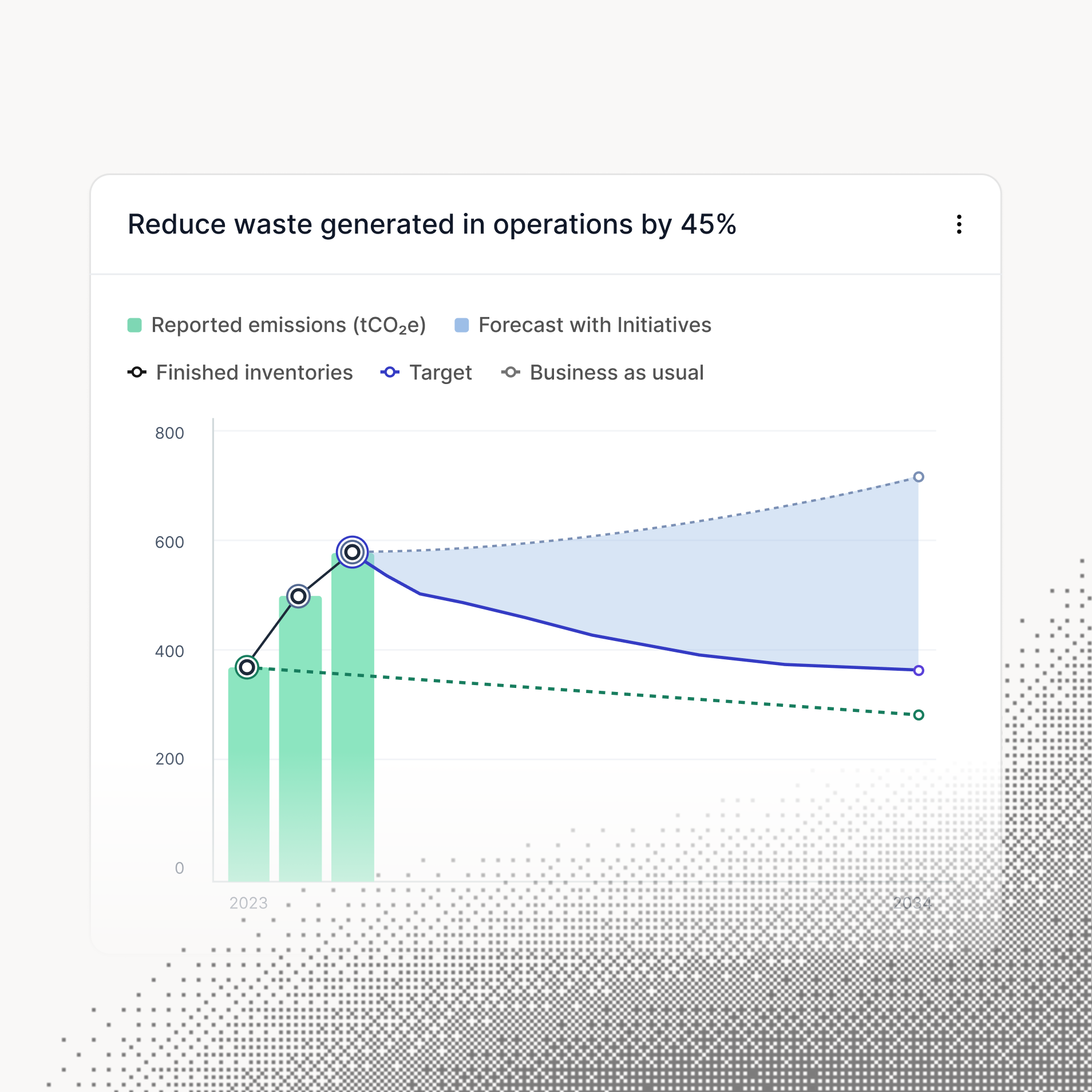
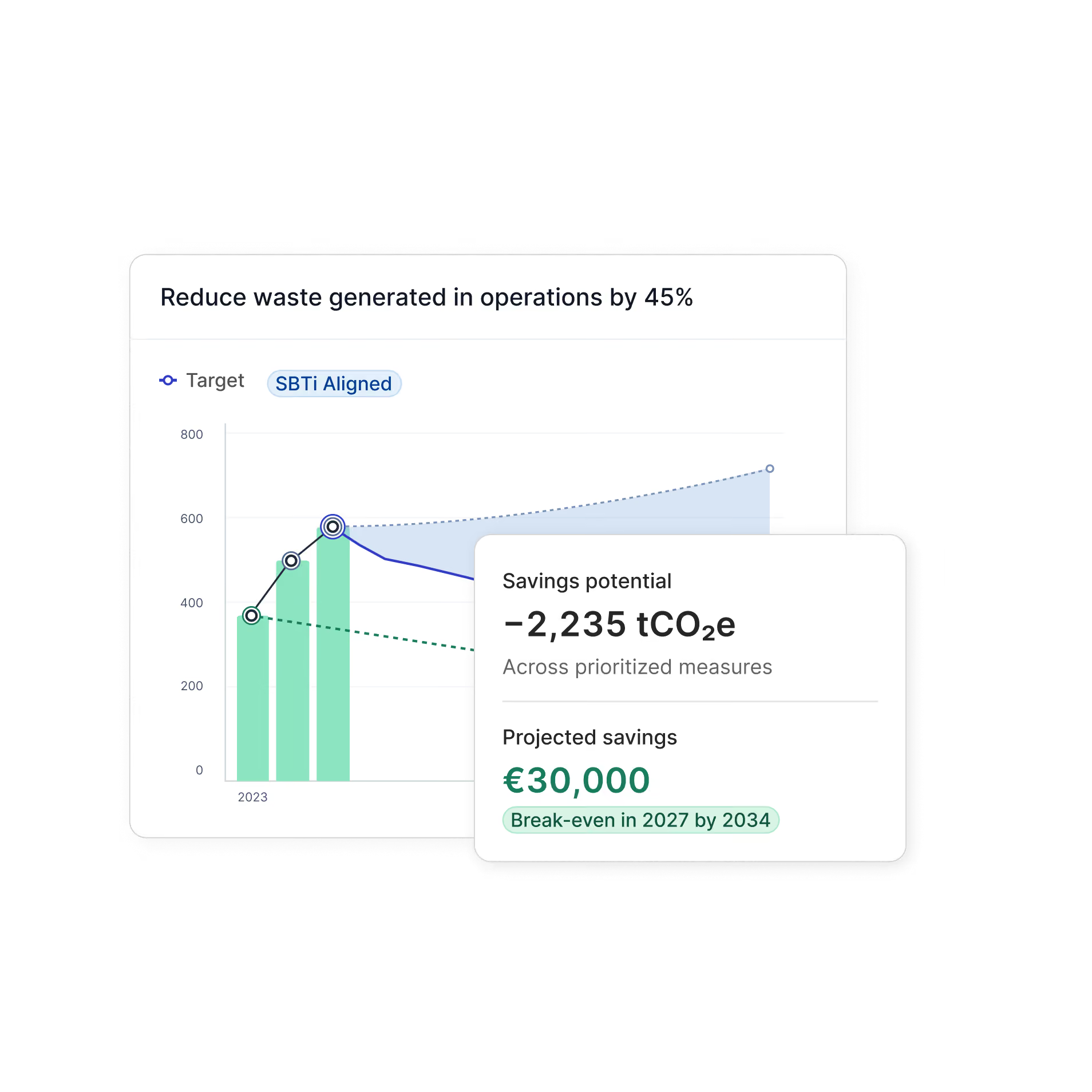
Derive SBTi-aligned targets directly from your CCF
Simulate growth and reduction pathways in parallel
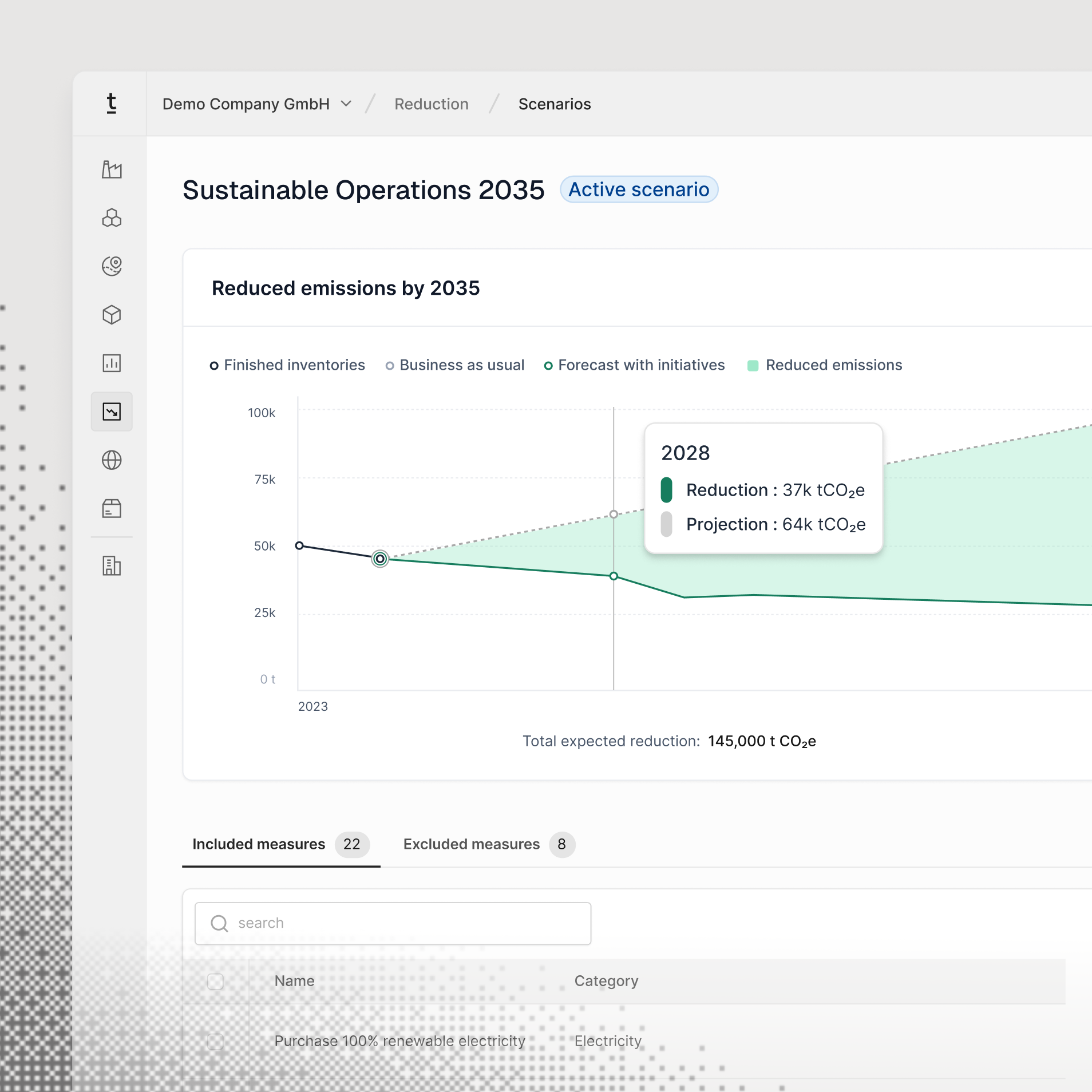
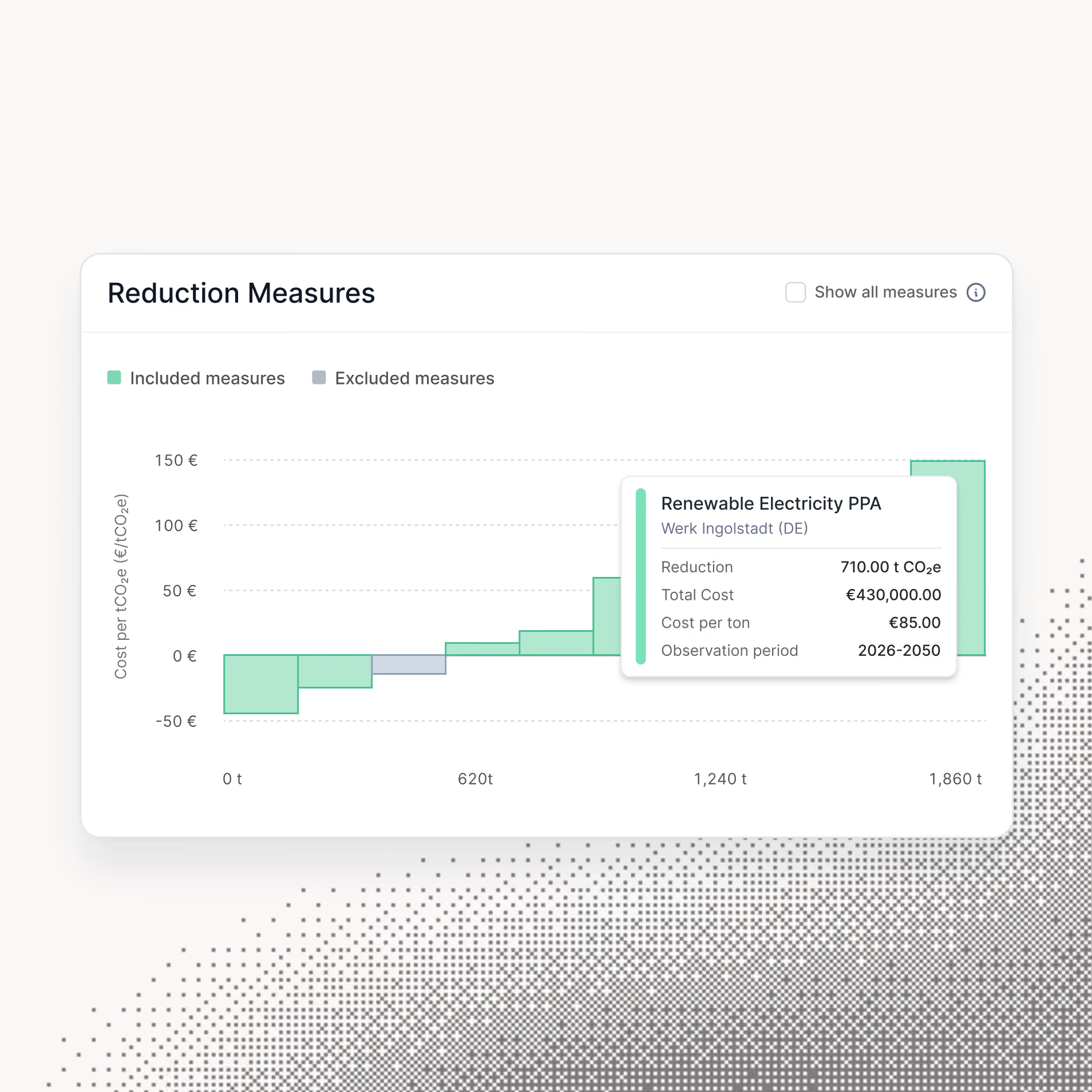
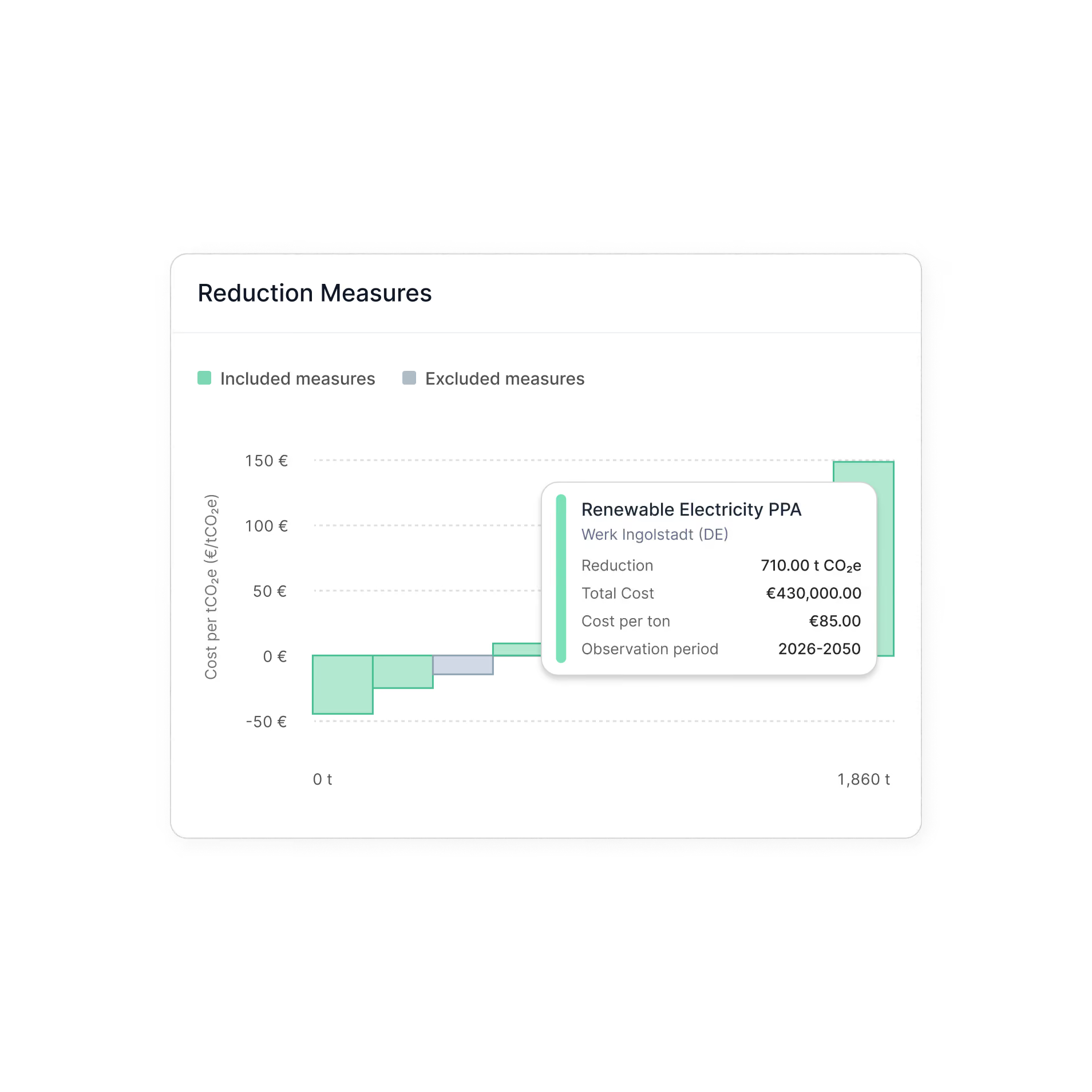
Prioritize reduction measures by decarbonization lever and ROI
Assign ownership and track progress
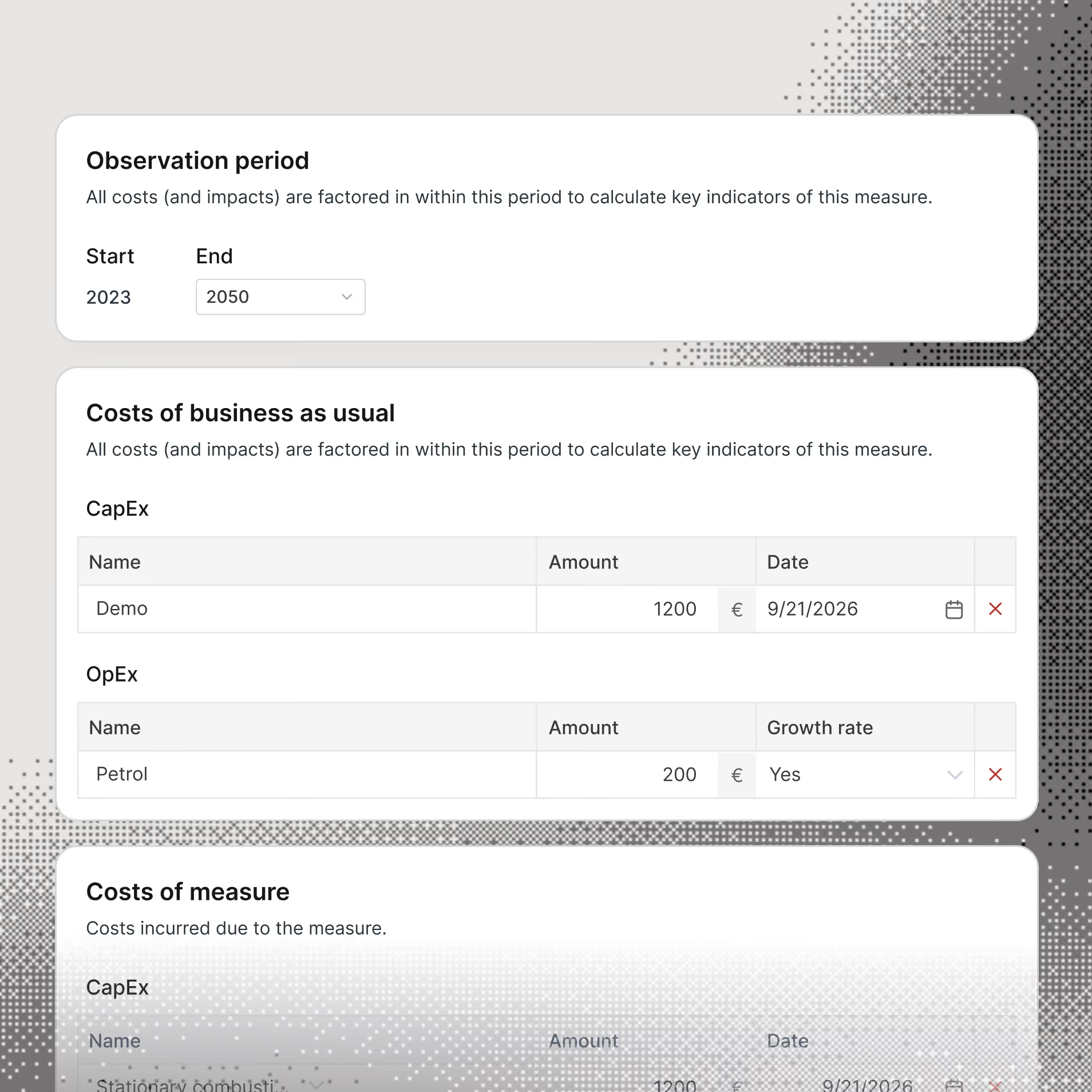
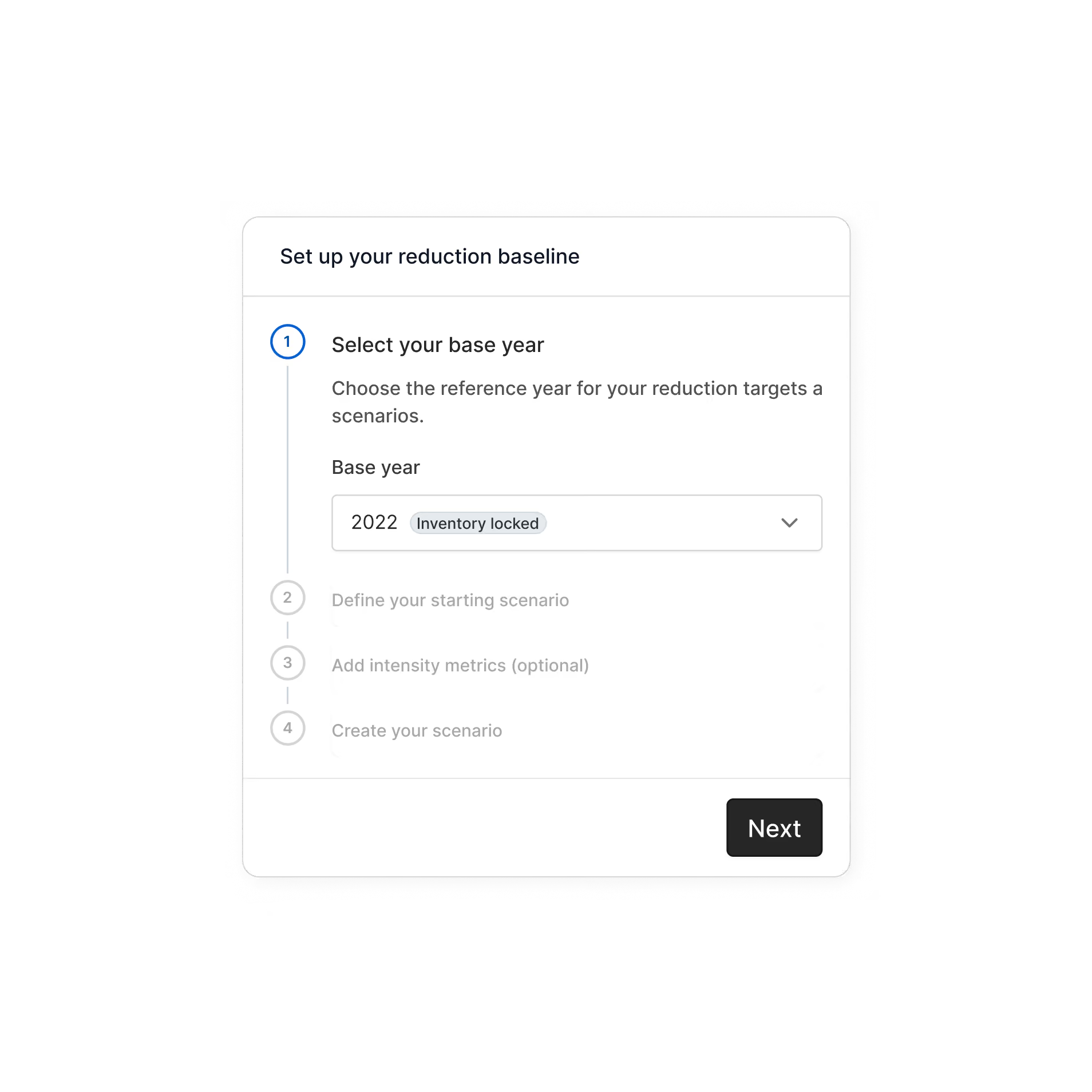
Your reduction plan in five steps
Select base year
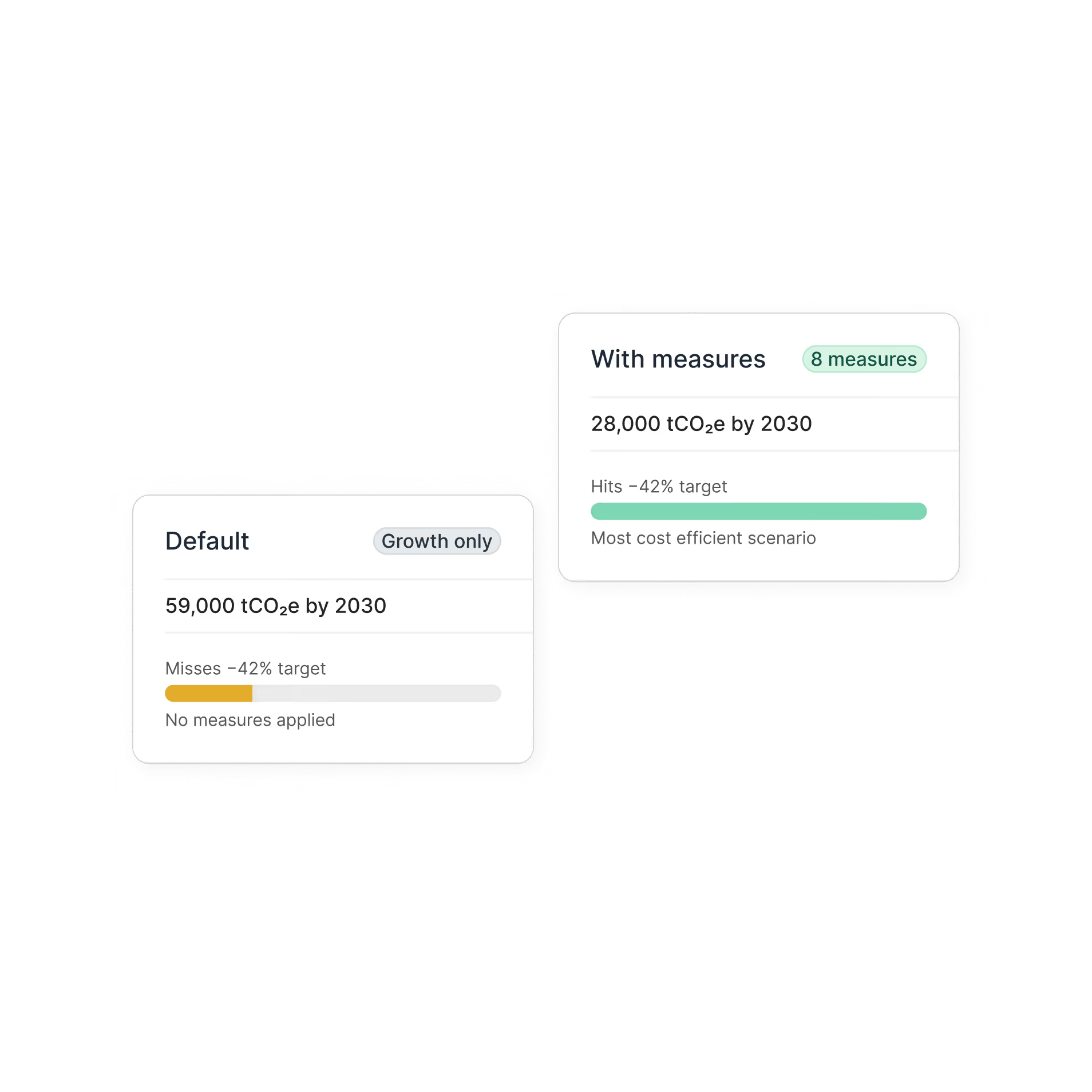
Define growth model
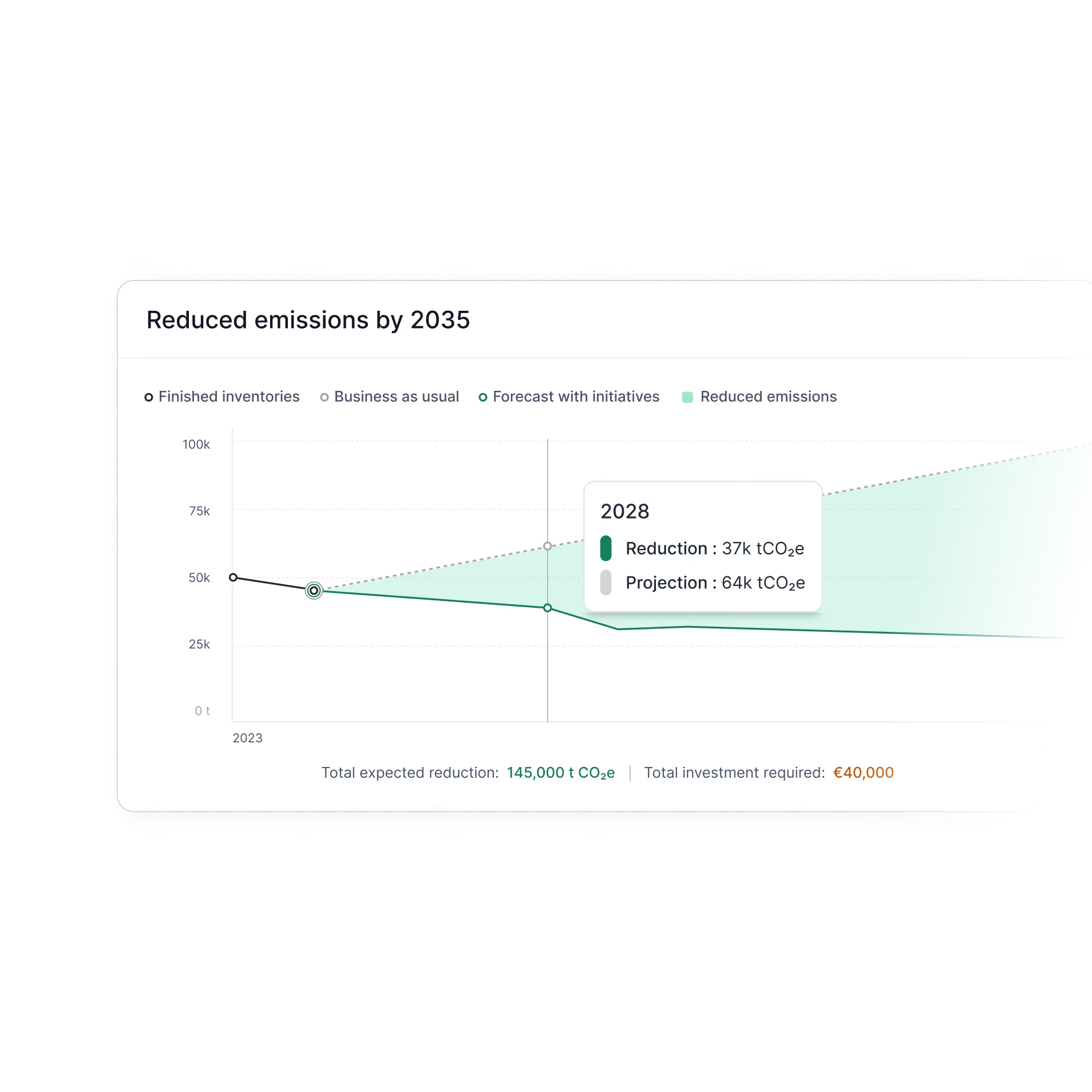
Manage and compare scenarios
Set targets
Plan and implement measures
More reduction resources







.avif)







Talk to our reduction experts.


Frequently asked questions
Can I simulate scenarios with different growth rates?
Yes. You define constant or annually variable growth rates for each scenario. Different growth and measure pathways can be modeled in parallel and compared to identify the strategically best route.
Do I need to use the CCF module first to use Reduction?
Yes. Reduction builds on your CCF data and is designed as an add-on to the Tanso CCF module. Hotspots, base year, and actual emissions come directly from the CCF, so there is no duplicate data collection. Changes in the CCF flow automatically into your reduction scenarios.
What is a climate transition plan and how does Tanso support it?
A climate transition plan (CTP) is your company's strategic roadmap for reaching climate targets in line with the Paris Agreement. Tanso structures the CTP by base year, targets, scenarios and measures, and documents progress in a CSRD-compliant way.
How does Reduction fit into our existing climate strategy?
If you have already defined targets, you map them in Tanso and add measures with investments, savings potential and responsibilities. If you are starting from scratch, Tanso guides you step by step through base year, target setting, scenario modeling and measure planning.
How does Tanso fit into our existing IT landscape?
Reduction uses the same data foundation as the CCF module and requires no additional IT integration. If your CCF module is already connected to SAP, other ERP systems or a data warehouse, reduction scenarios and reporting work with it automatically.
How does MAC curve prioritization work?
You record reduction measures with investment costs, savings potential and implementation timeline. Tanso ranks the measures by cost per avoided tonne of CO₂e (marginal abatement cost) and shows where the biggest carbon lever lies at which economic cost.
How does Tanso support SBTi-aligned target setting?
Tanso derives SBTi-aligned reduction targets directly from your CCF. Targets can be set by site, by entity or per scope. Progress against the base year is tracked continuously and can be exported for CDP responses, investor reports and CSRD reporting.