

Audit-ready CSRD report in weeks, not months
From AI-powered Double Materiality Assessment and strong data management to digital submission. Audit- and XBRL-ready.




What our customers say
Even without a current reporting obligation, we made a conscious decision to start early with the CSRD. For us, it's not just about compliance, but about building a reliable data foundation for sustainability management, customer requirements, and the supply chain. That way, we're laying the groundwork today for informed decisions tomorrow.


Tanso is far more than a tool for meeting CSRD requirements for us. It's the central foundation for holistic sustainability data management. Since all information is bundled centrally, we no longer need time-consuming individual coordination with different departments, which creates noticeable efficiency gains.


Tanso is our central solution for carbon accounting and ESG management: a single platform that brings CCF, PCF, and CSRD together seamlessly and creates synergies where duplicate work used to be necessary.


The traceable data structures, along with the documentation of methodological assumptions and audit trails in Tanso, helped us build our CSRD reporting in a structured, audit-proof way. That made the review of our entire CSRD reporting process significantly easier. Our auditor specifically highlighted how transparently we could provide the relevant information and evidence.


Everything you need for an audit-ready CSRD report
Complete it in a few weeks, supported by AI
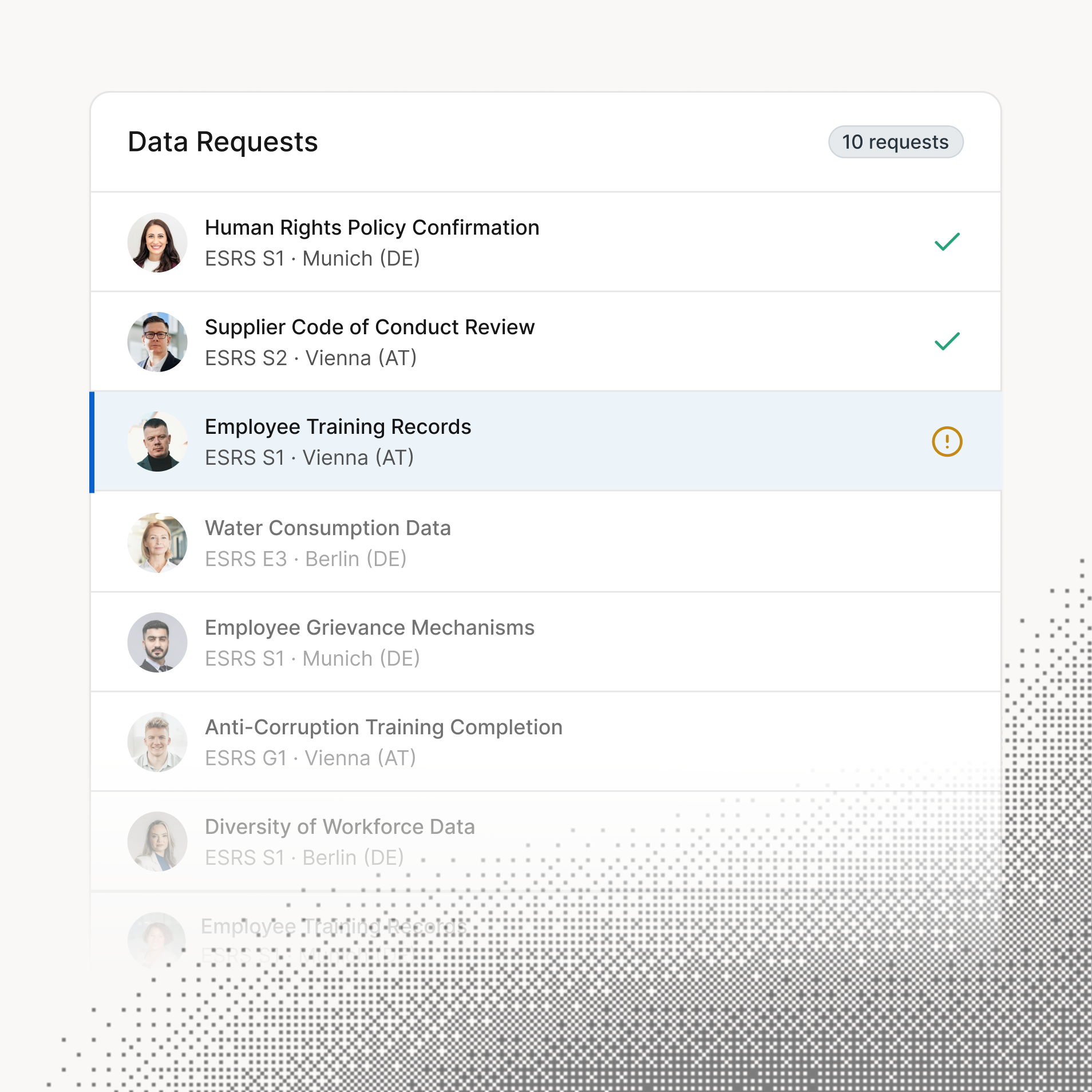
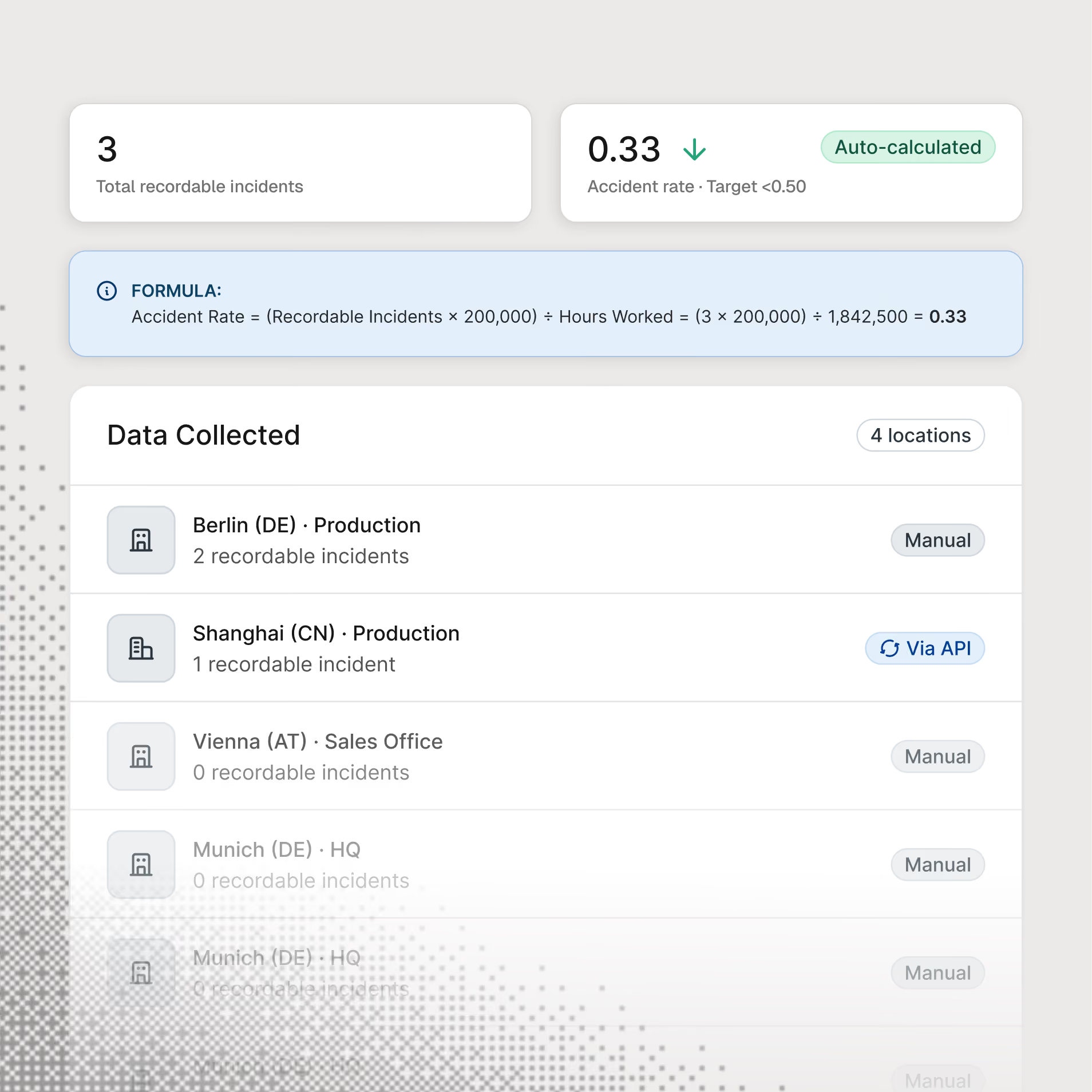
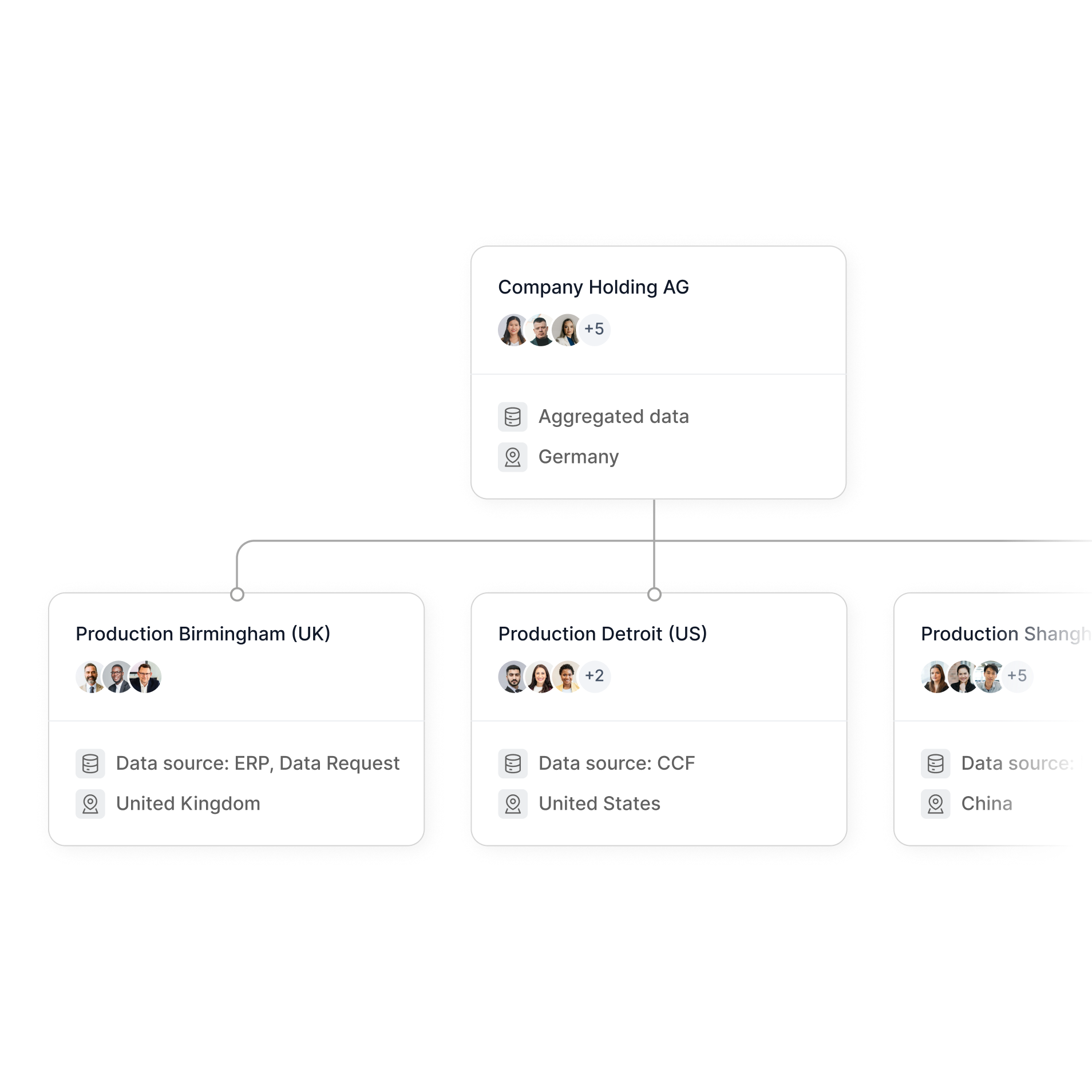
Collect data locally, consolidate it centrally
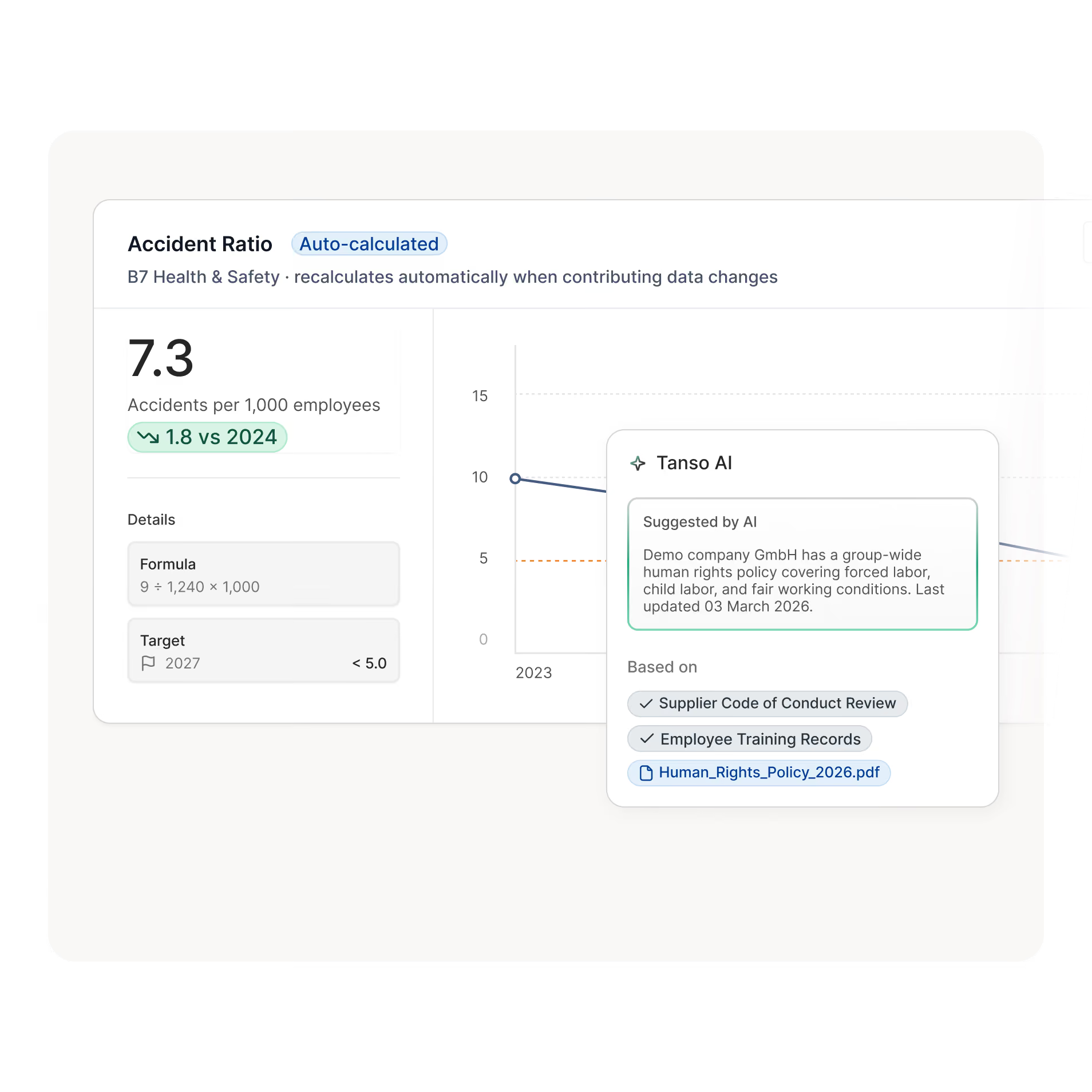
Analyze KPIs and interpret them with AI
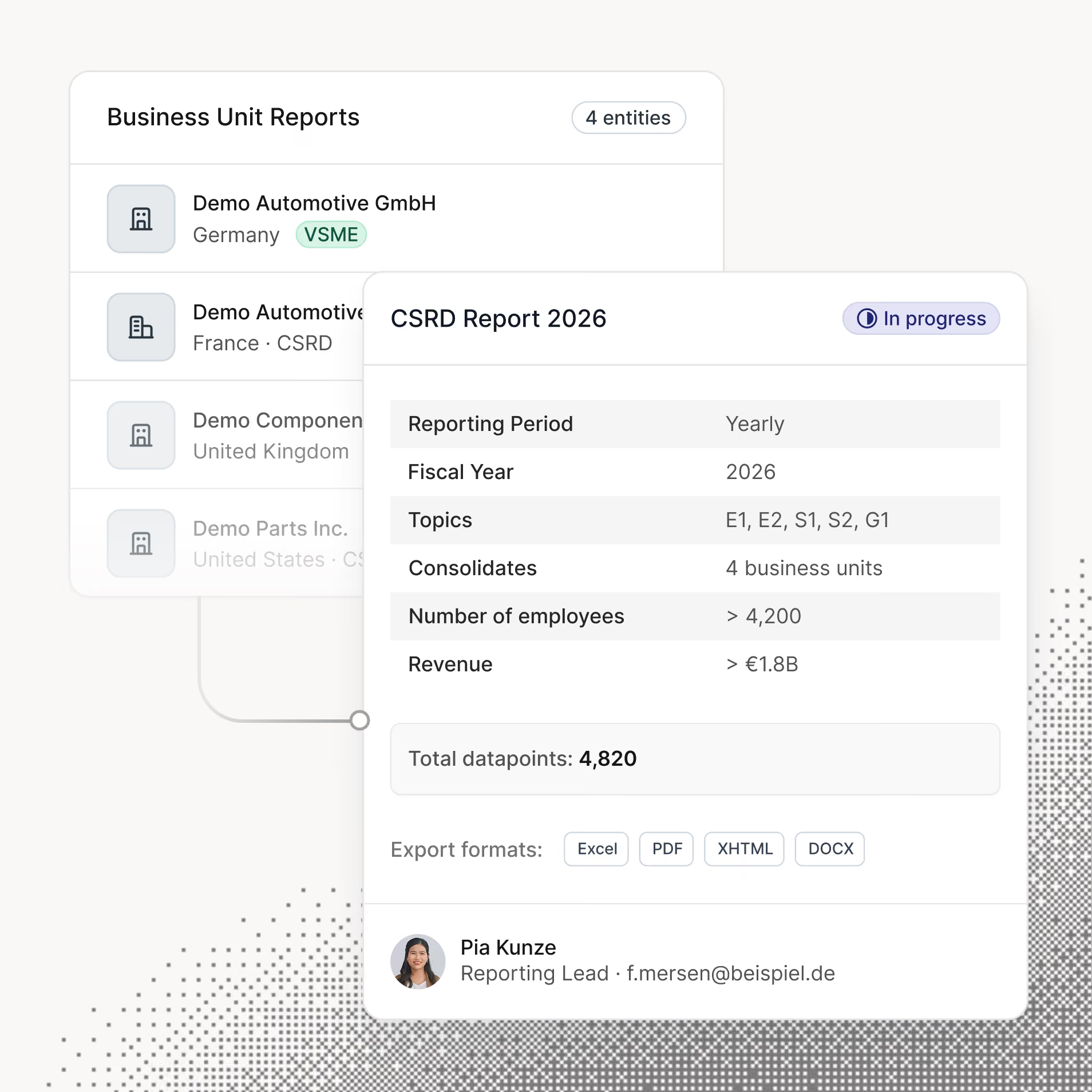
Report in line with CSRD and submit digitally
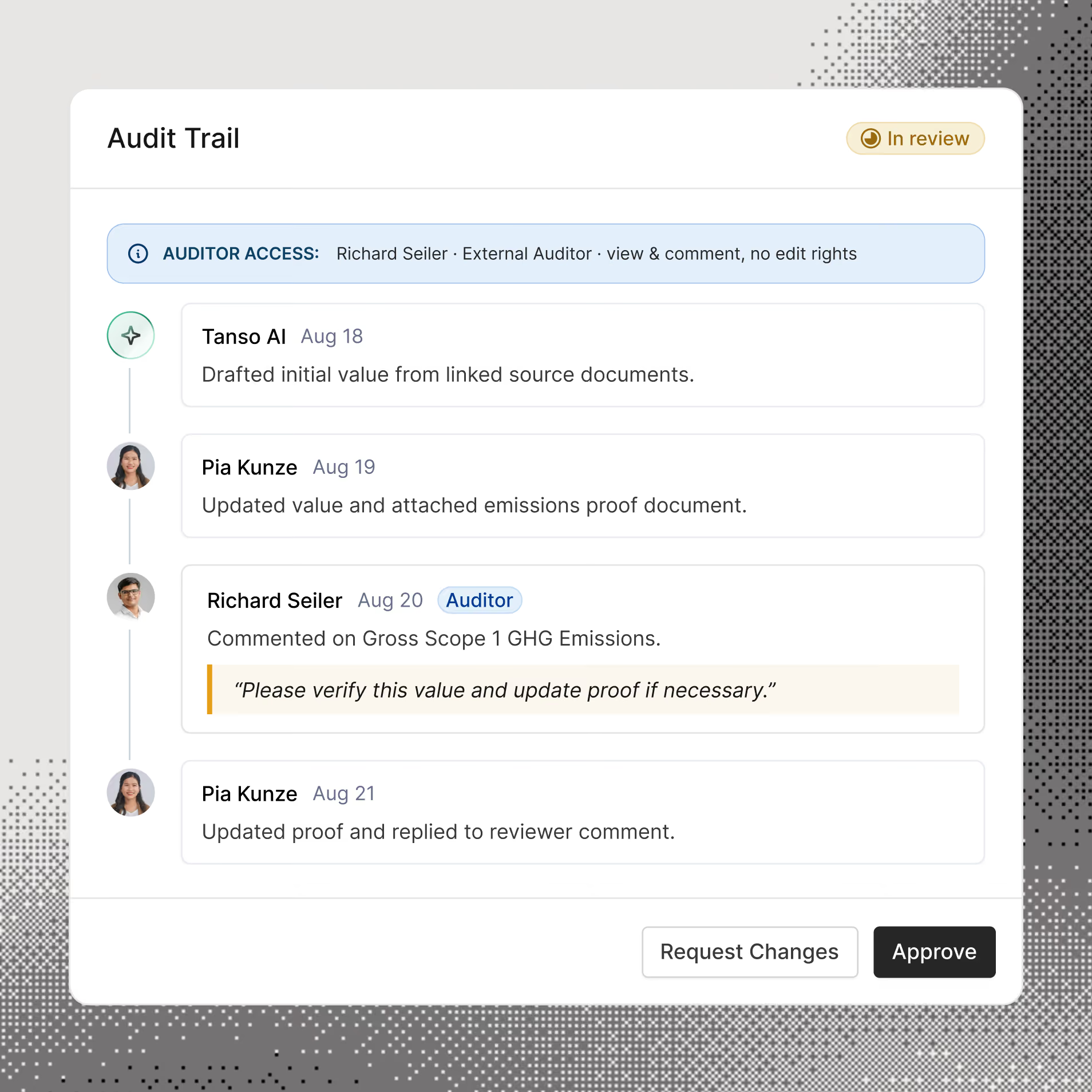
Involve auditors with confidence
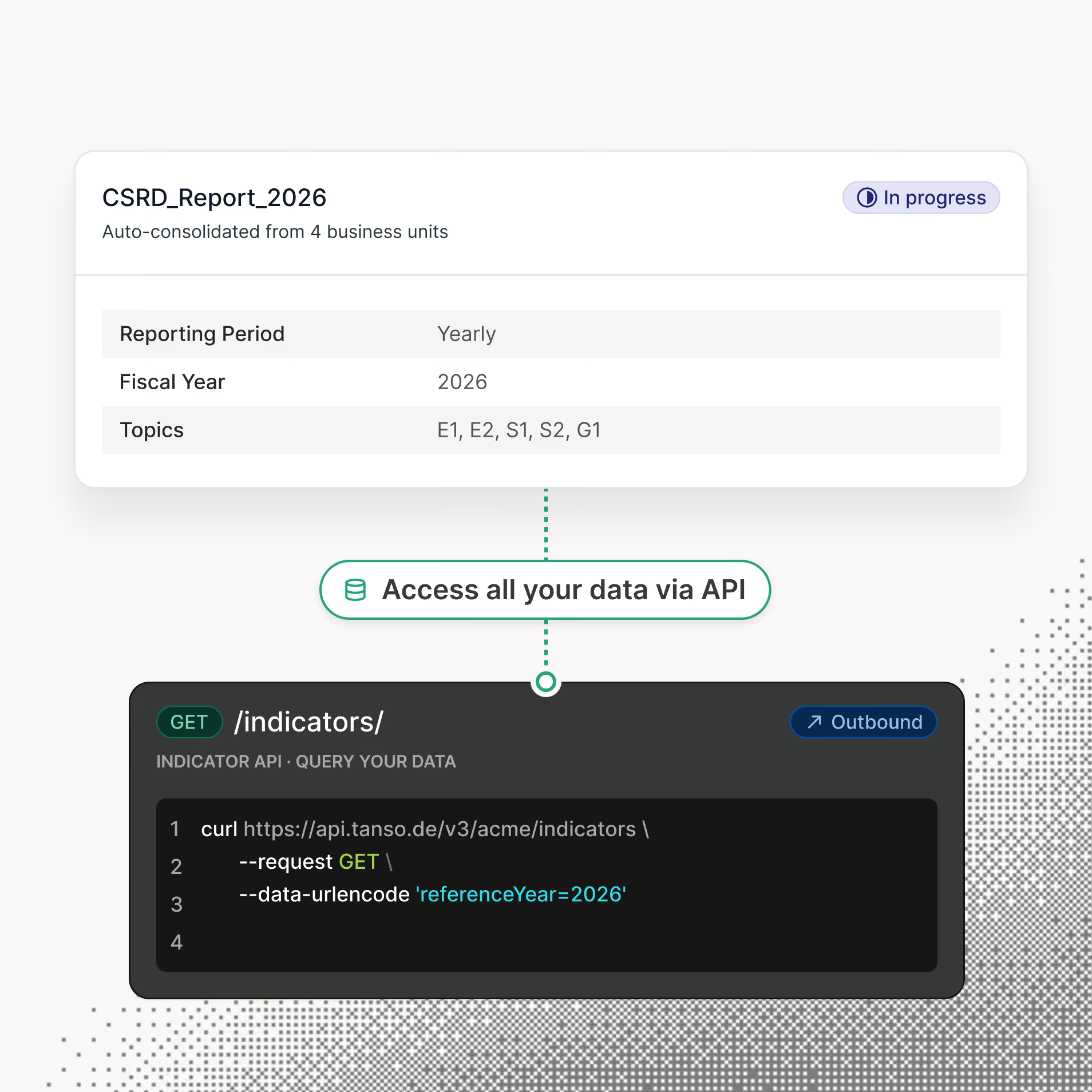
One indicator, collected once, for every report and every system
Results with Tanso
80%
19.5
EU Taxonomy, fully integrated
Assess taxonomy eligibility
Relevant activities selected and recorded centrally in Tanso
Check alignment
AI-supported review of contribution criteria with central documentation of proof
Analyze results
Quantified summary of EU Taxonomy alignment, prepared for investor communication
Publish audit-ready reports
Standard-compliant reporting with targeted auditor involvement via dedicated access
CSRD, CCF, PCF. One data foundation, three reporting frameworks, zero duplicate data collection.
CCF feeds ESRS E1
Your Scope 1, 2, and 3 footprint from the Tanso CCF module flows directly into ESRS E1 (climate change)
Gross GHG emissions, reduction targets, and transition plan progress are pre-filled and documented with an audit trail
PCF supports ESRS E5 and product-related disclosures
Product carbon footprint data from the Tanso PCF module provides the basis for ESRS E5 (resource use and circular economy)
It also supports product-related disclosures in ratings and the Digital Product Passport
CSRD as the umbrella for all use cases
Sustainability KPIs you collect once in Tanso cover CSRD, EU Taxonomy, VSME, EcoVadis, and GRI in parallel
The harmonized data foundation saves weeks of duplicate data collection per reporting cycle
Your CSRD report in five steps
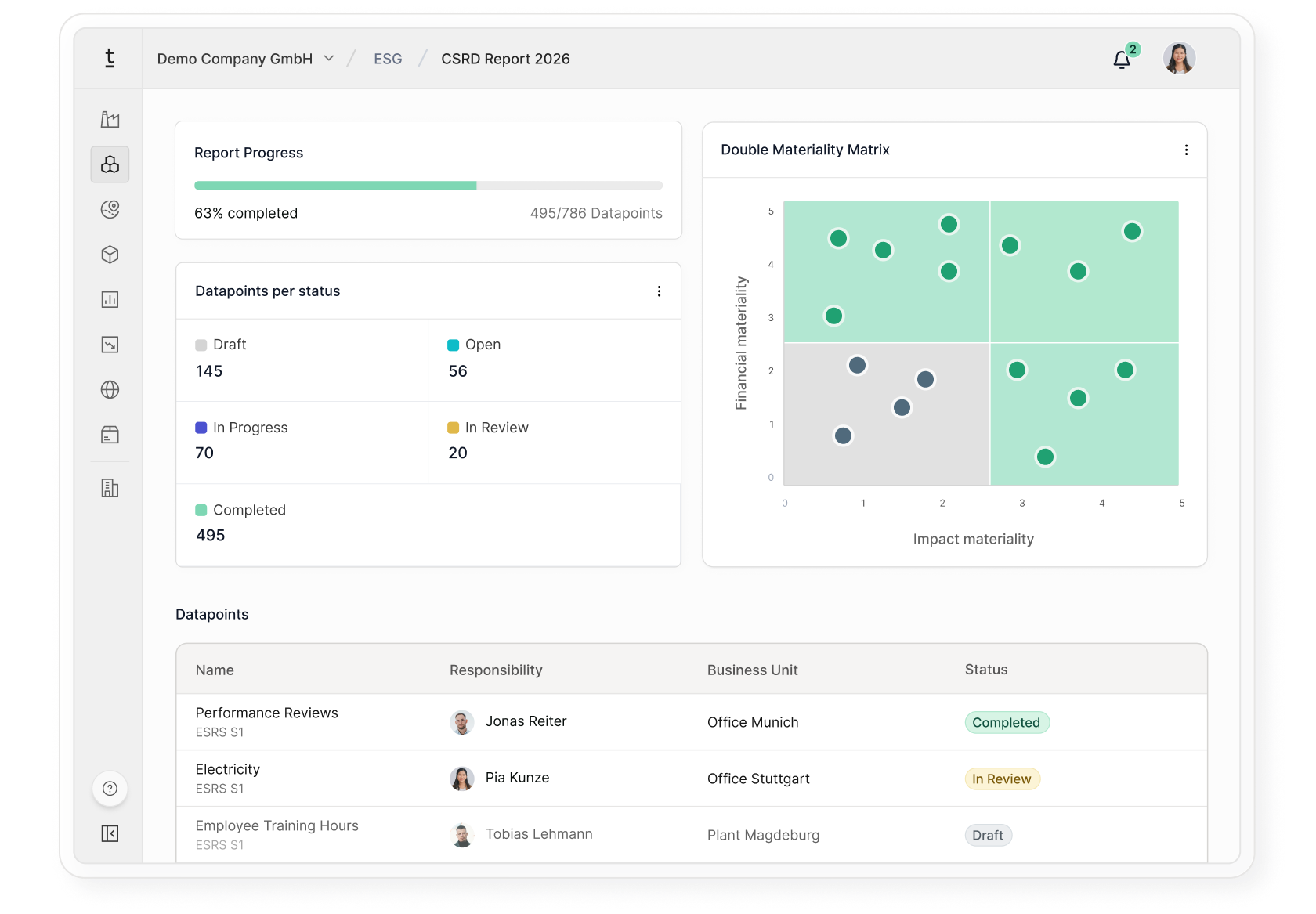
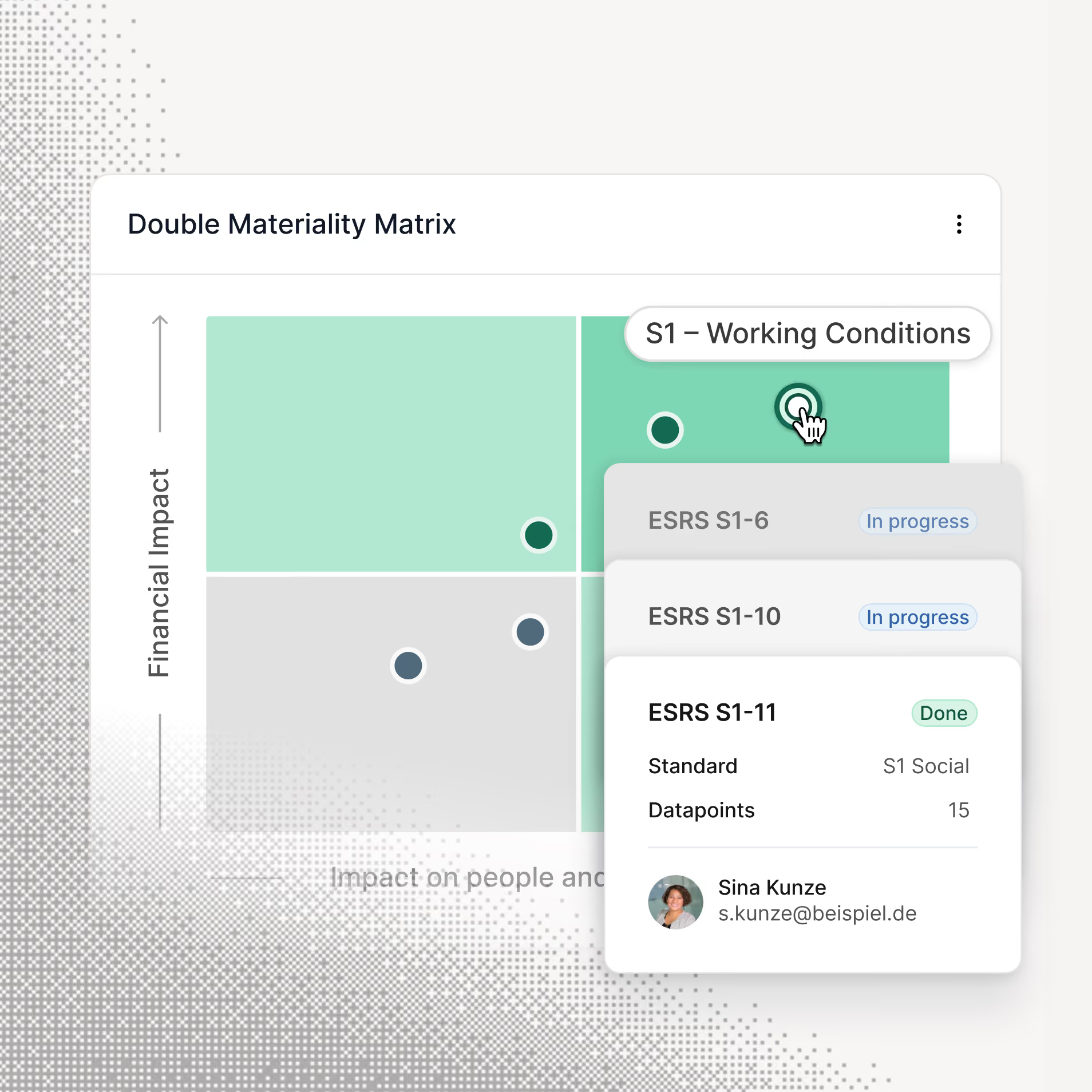
Run your Double Materiality Assessment (DMA)
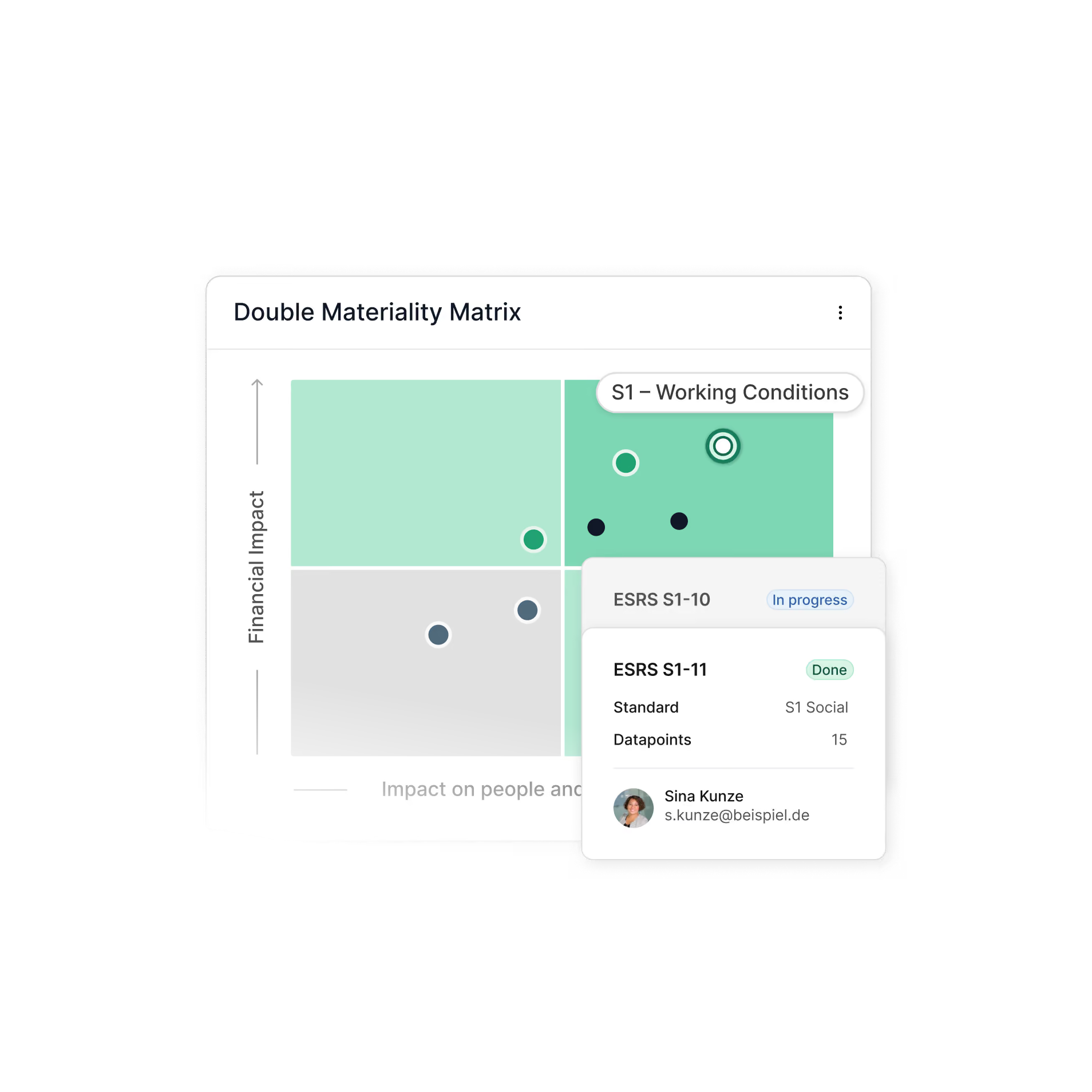
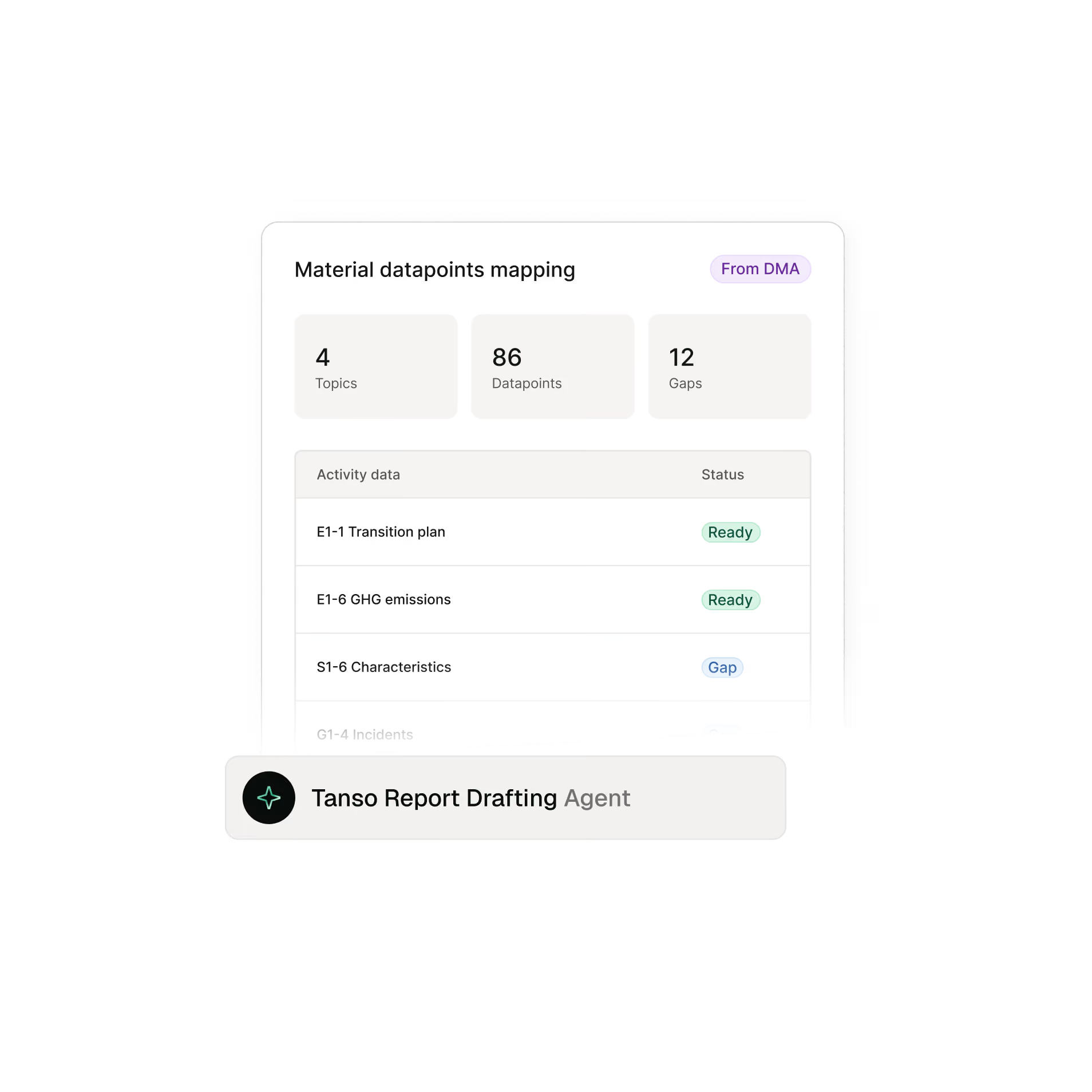
Identify ESRS datapoints automatically
Collect and consolidate data across your organization
Calculate KPIs and prepare the report
Submit and share digitally
More CSRD resources


.avif)













Talk to our CSRD experts.


Frequently asked questions
How does Tanso fit into our existing IT landscape (SAP, ERP)?
Tanso is ERP and data lake compatible. You get started with structured CSV imports, and API integrations with SAP or other systems can follow later. No ERP overhaul required.
Do I need to use the Tanso CCF module to get started with CSRD?
No, but it is the most efficient setup. CCF data flows directly into ESRS E1 (climate change). If you run CCF and CSRD in parallel in Tanso, you save weeks of duplicate data collection per reporting cycle.
What is the double materiality assessment (DMA)?
In the context of the CSRD, the DMA considers both the company's impact on the environment and society and the financial risks and opportunities arising from sustainability topics. Material topics must be reported in terms of sustainability impact and financial relevance.
How does the AI-powered DMA work in Tanso?
Tanso guides you through a structured workflow with an industry-specific IRO generator. You assess and complete AI suggestions for impacts, risks and opportunities. The relevant ESRS datapoints are derived automatically from the results.
How does XBRL submission work?
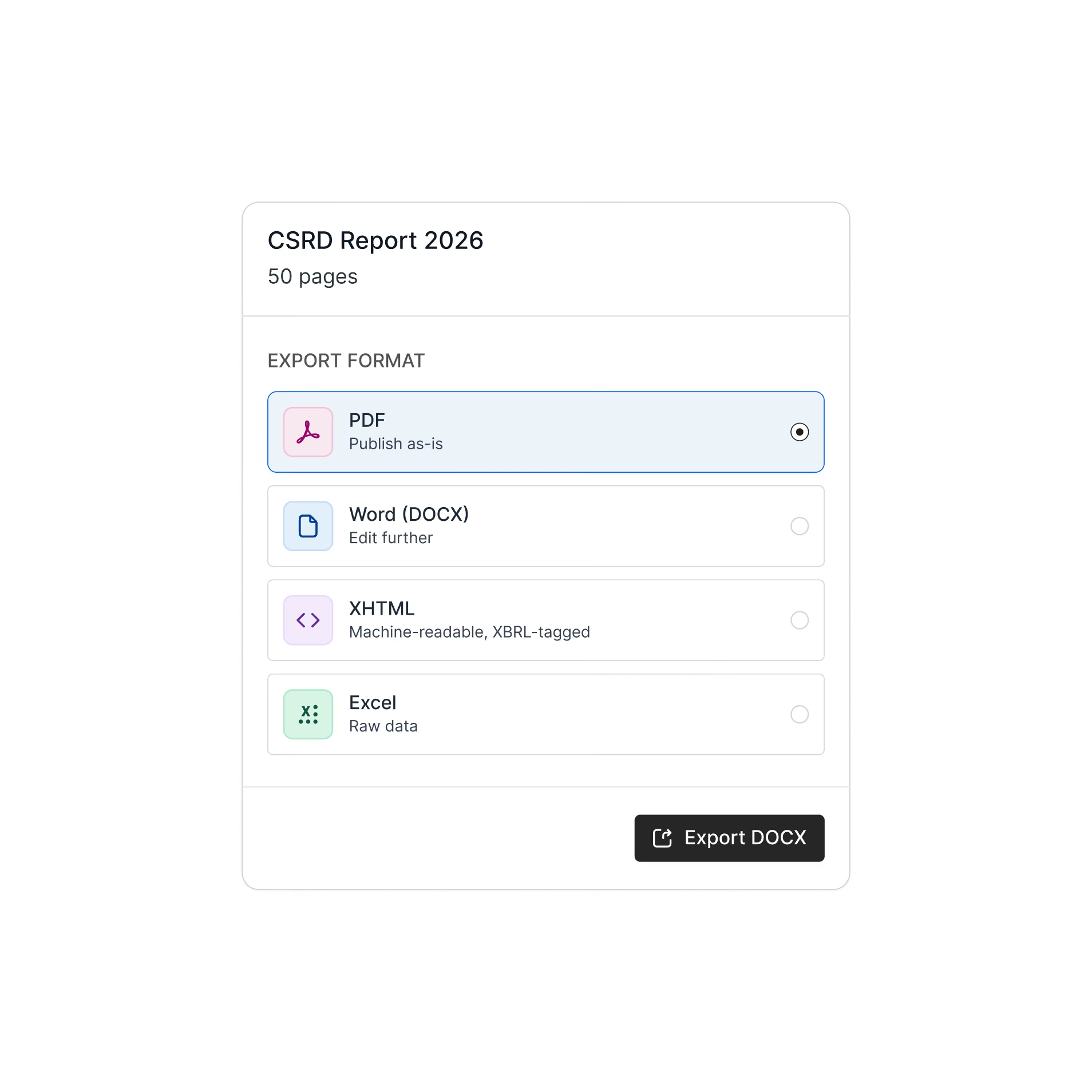
Tanso generates your report with machine-readable XBRL tagging in ESEF format, as required by the CSRD for digital submission. Output as CSV, XML and PDF is available in parallel.
How many datapoints need to be collected?
The number varies depending on the company and the materiality results. For industrial companies, the scope is typically 300 to 400 datapoints.
How are auditors involved?
Tanso offers dedicated auditor access with logged visibility into data, changes and approvals. Auditors are actively involved from the start, without separate coordination loops. The methodology was developed with leading audit firms.