

Calculate and report import emissions automatically
From supplier requests and emissions calculation to the annual CBAM declaration.
What our customers say
Thanks in part to the Tanso tool, EMAG was able to work through the extensive and complex challenges of CSRD and related topics like environmental accounting and CBAM quickly, even with a very small project team, and keep the project moving. The platform and the knowledgeable Tanso team provide clear, easy-to-follow guidance on many topics, for example on legal requirements and detailed questions around DWA and data collection.


We use Tanso's CBAM tool to make it easier to meet the EU's complex requirements.


Everything you need for CBAM compliance
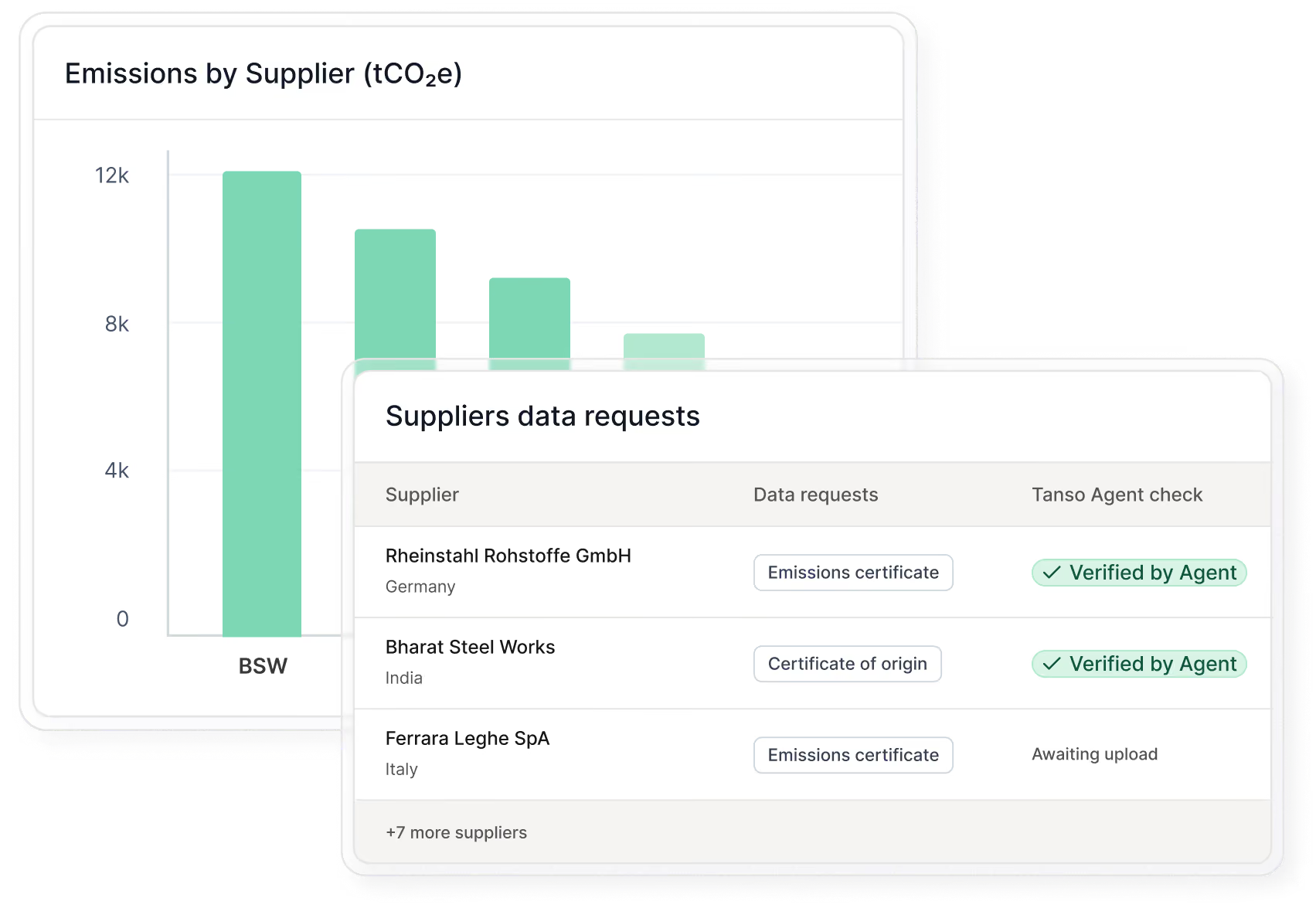
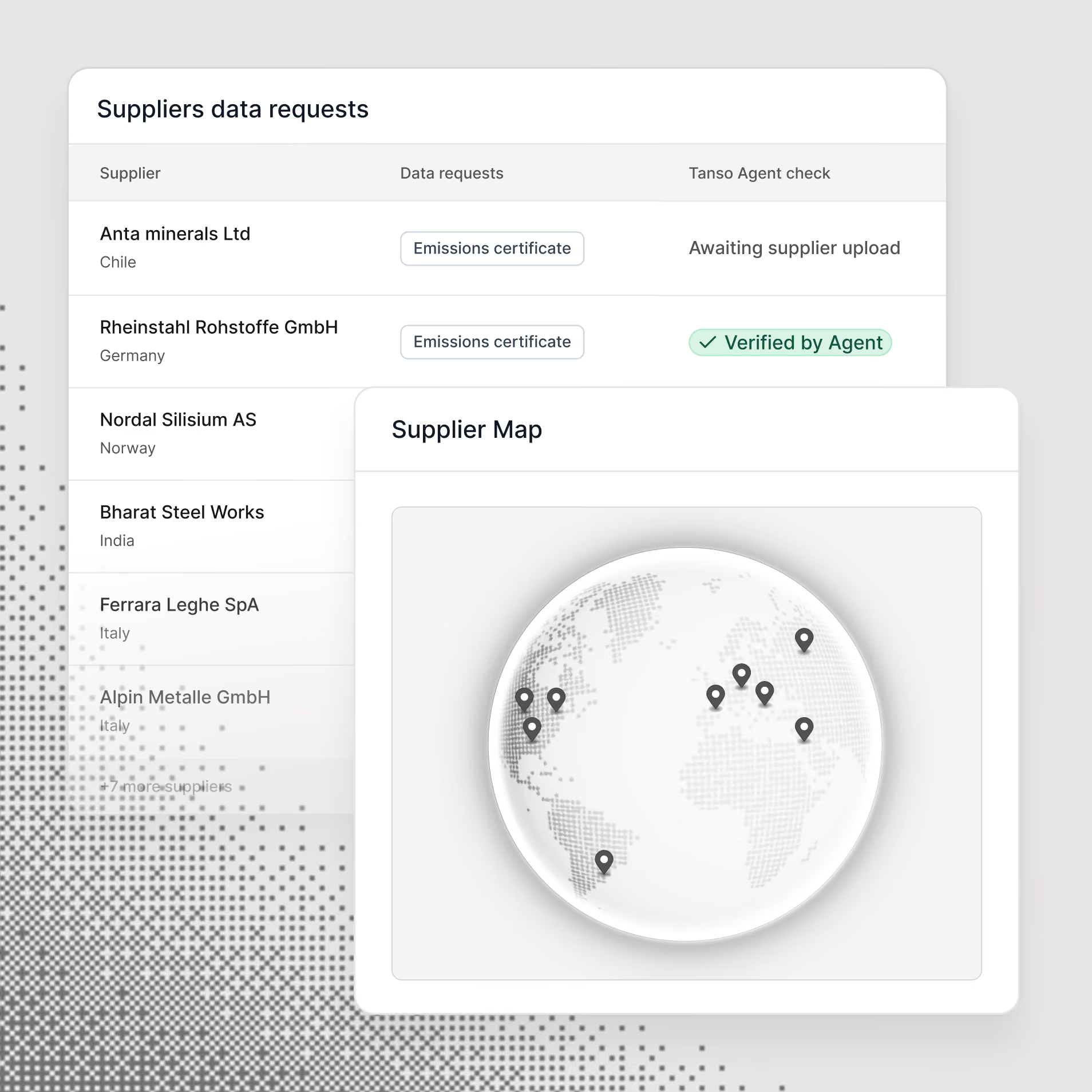
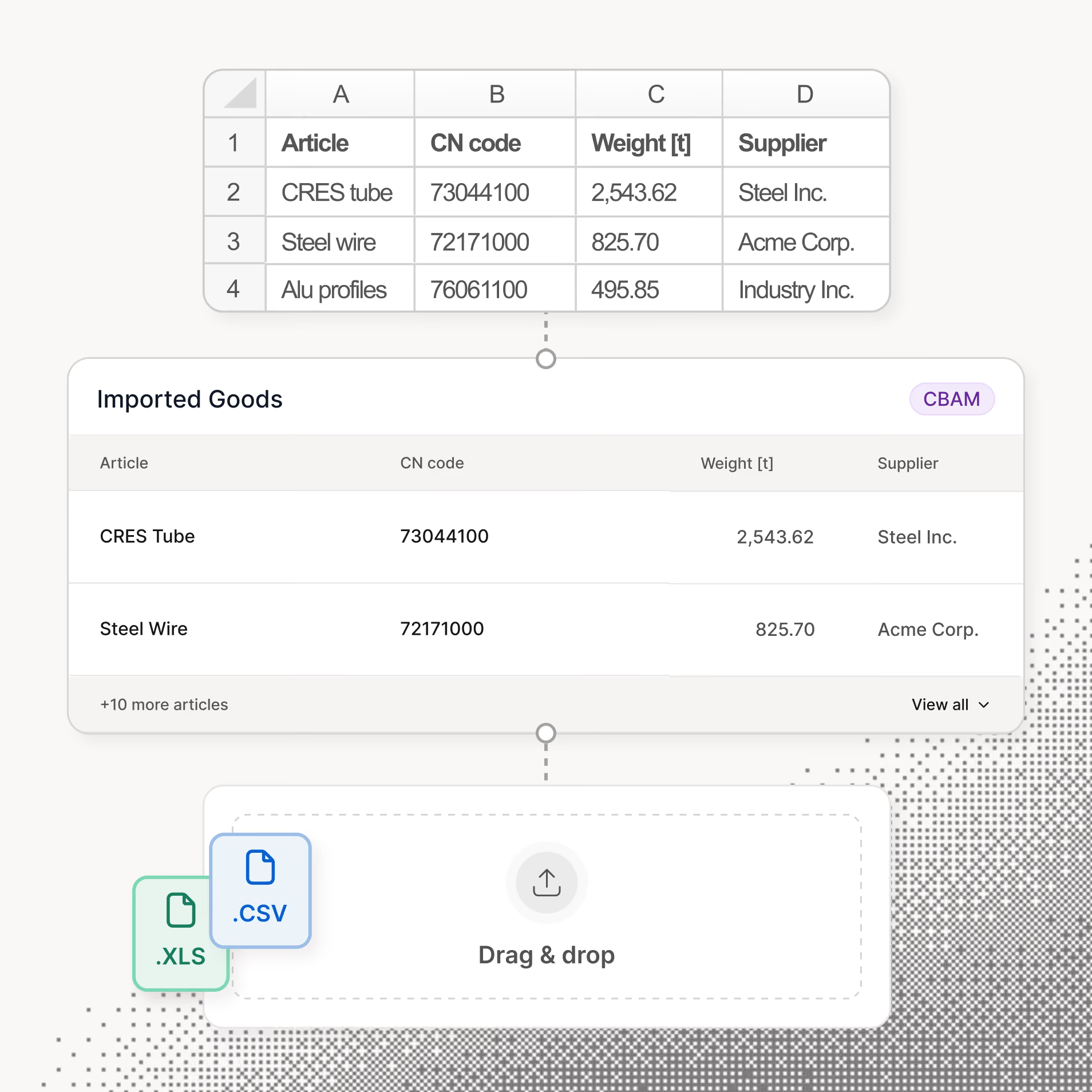
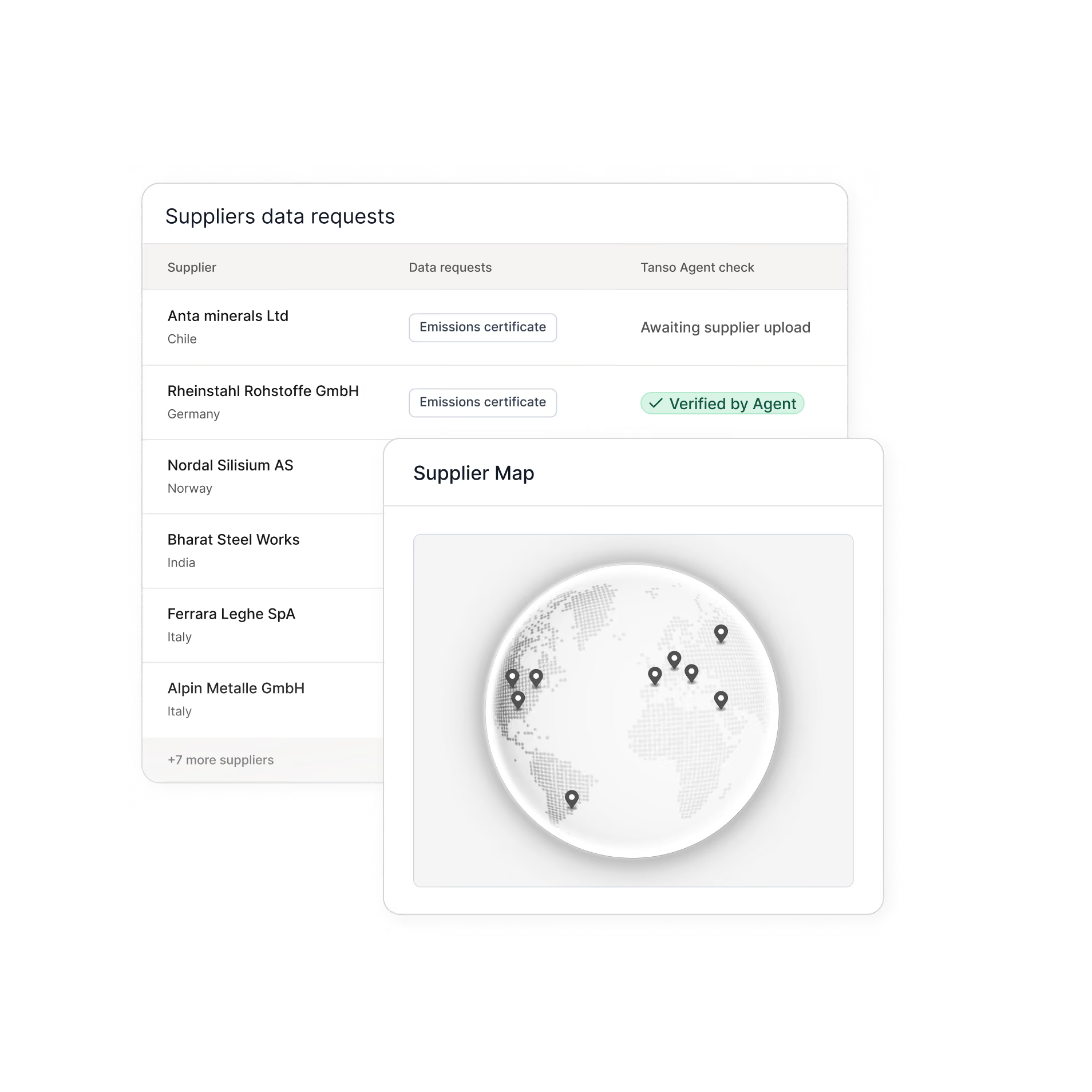
Integrate supplier data in a structured way
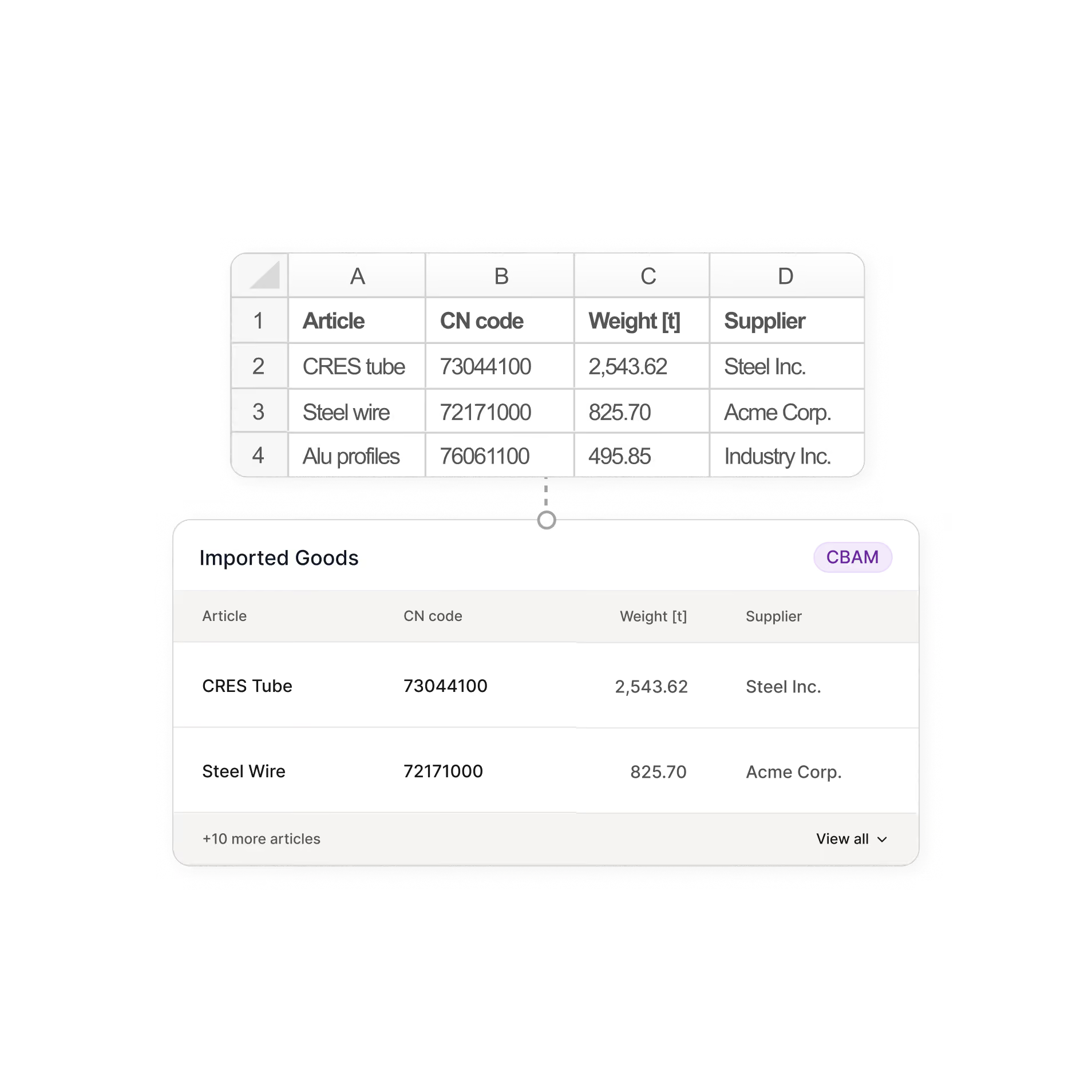
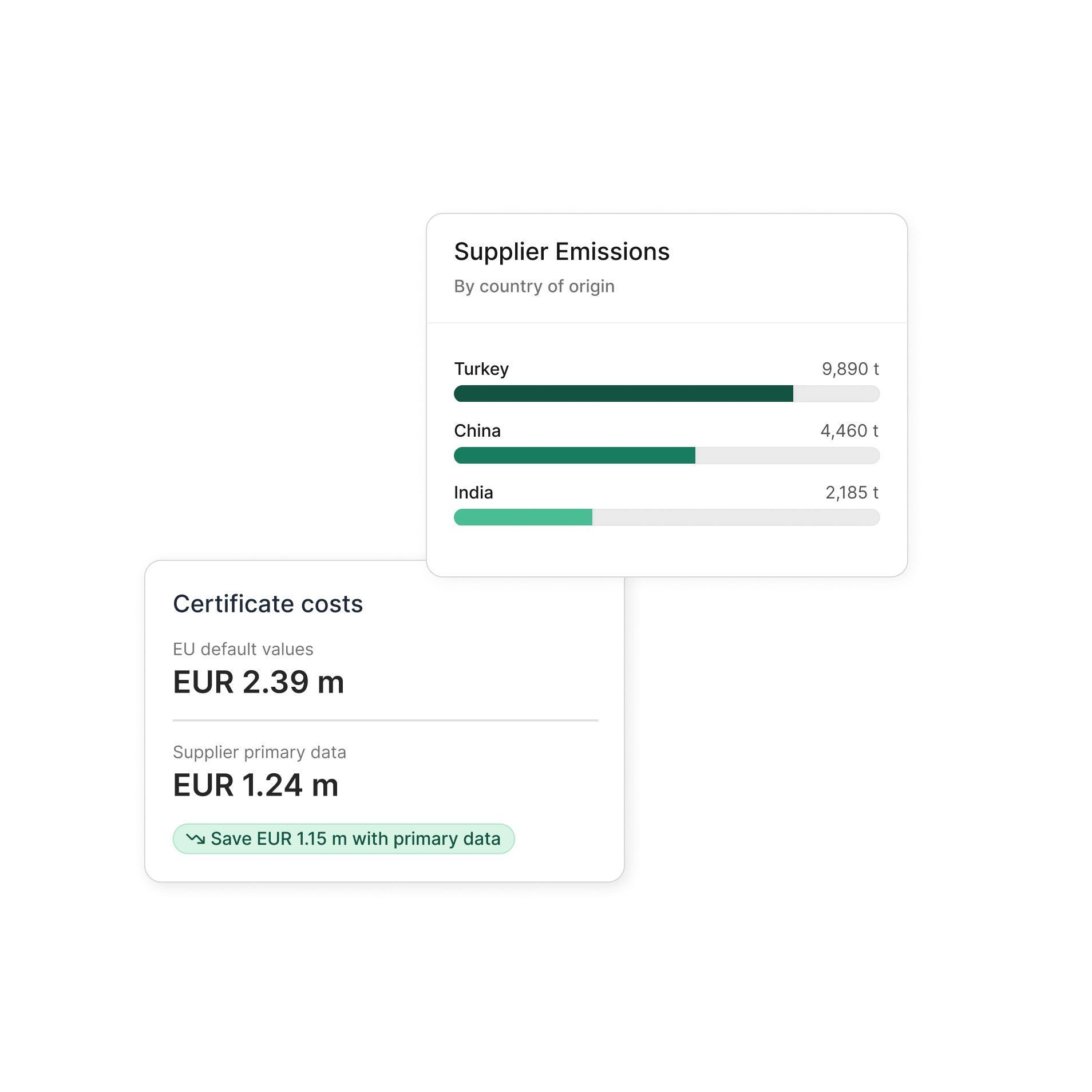
Calculate import emissions automatically
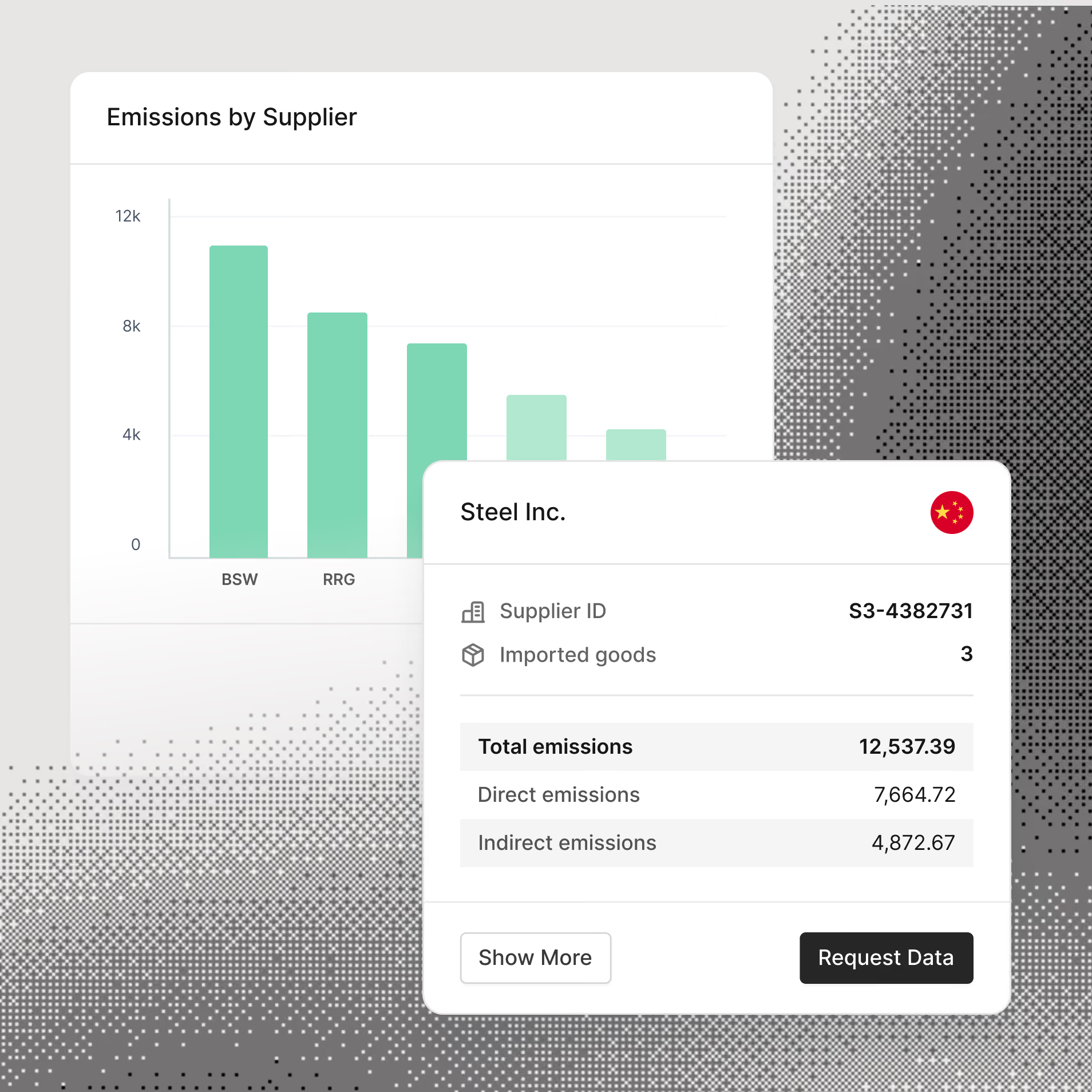
Understand your emissions in detail
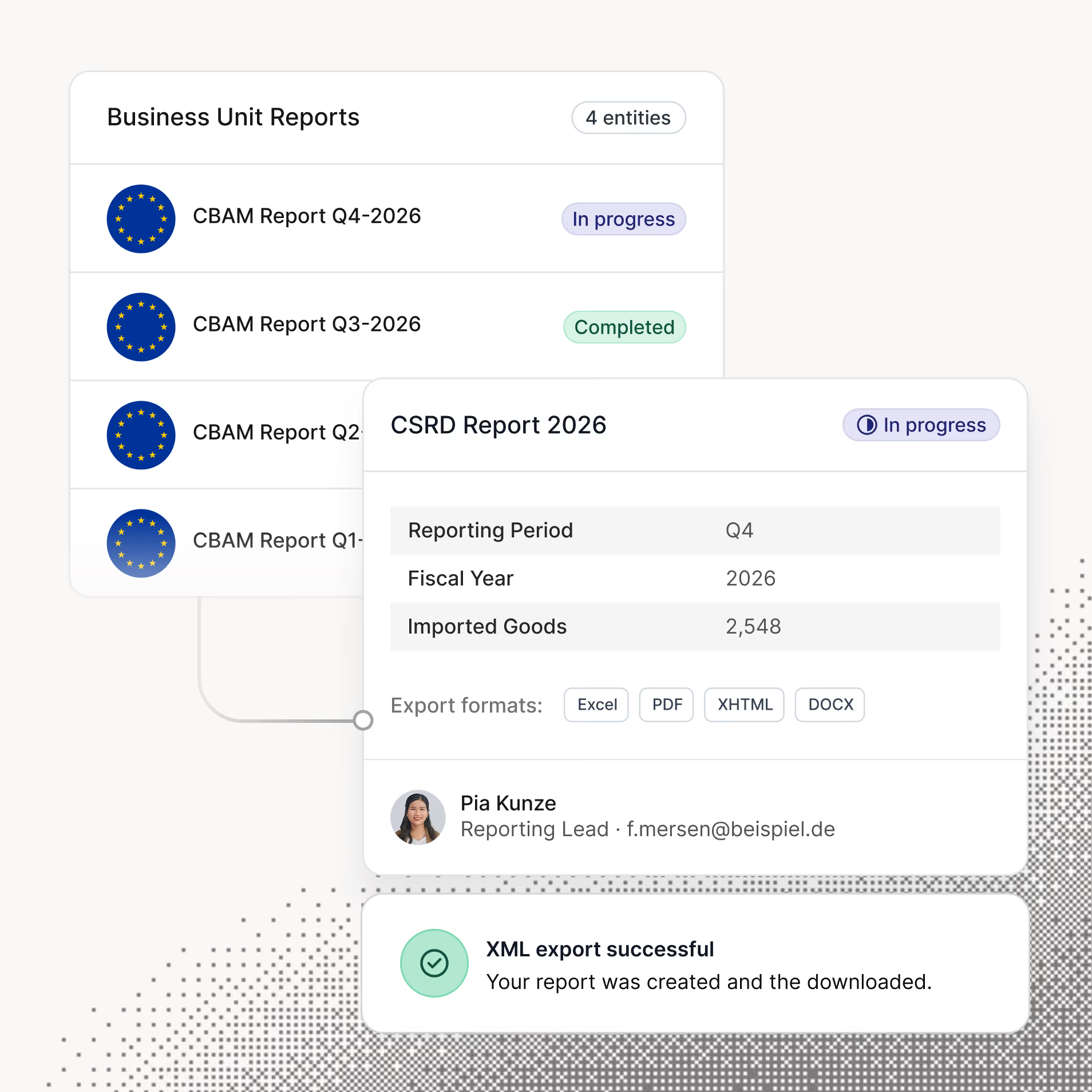
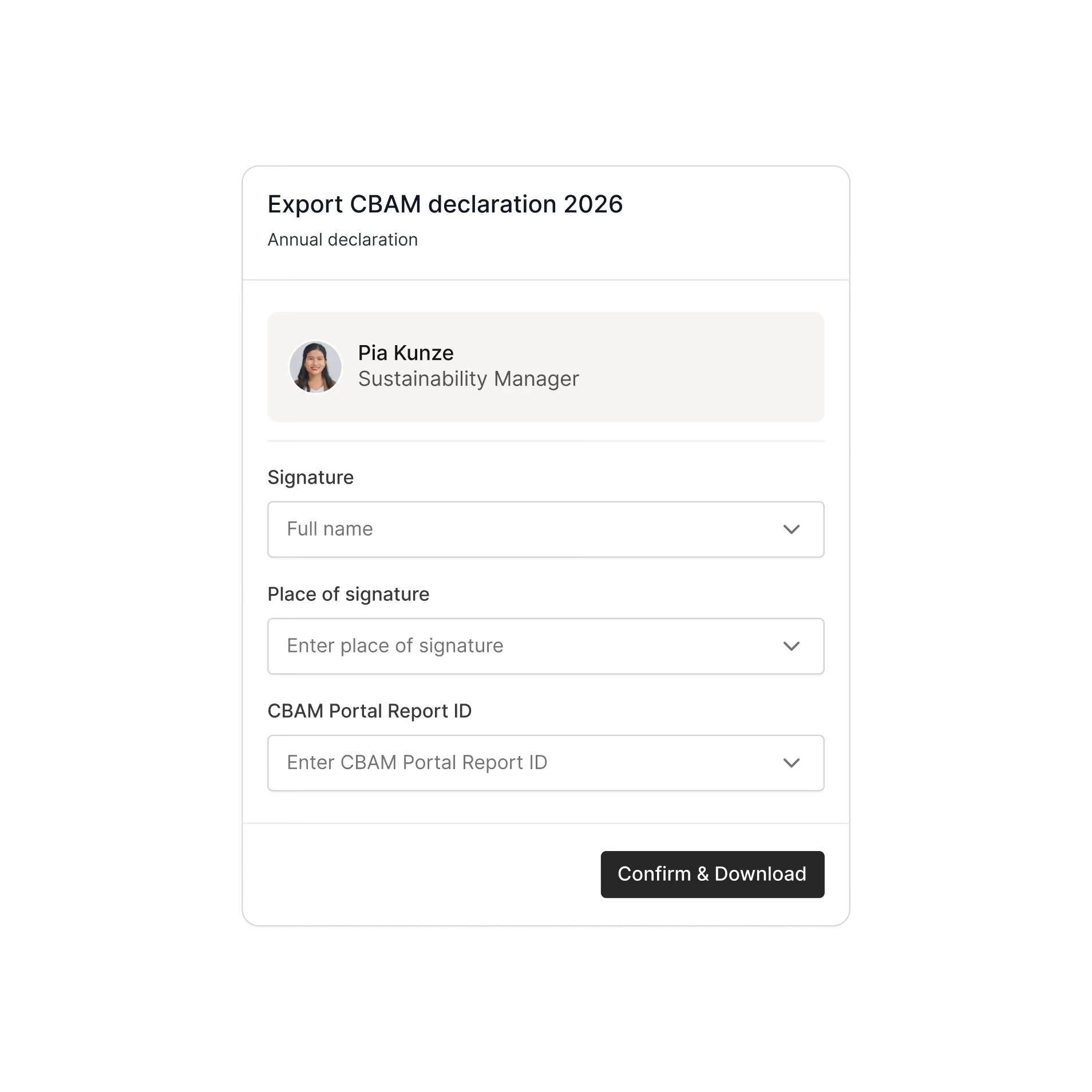
Submit your CBAM declaration on time
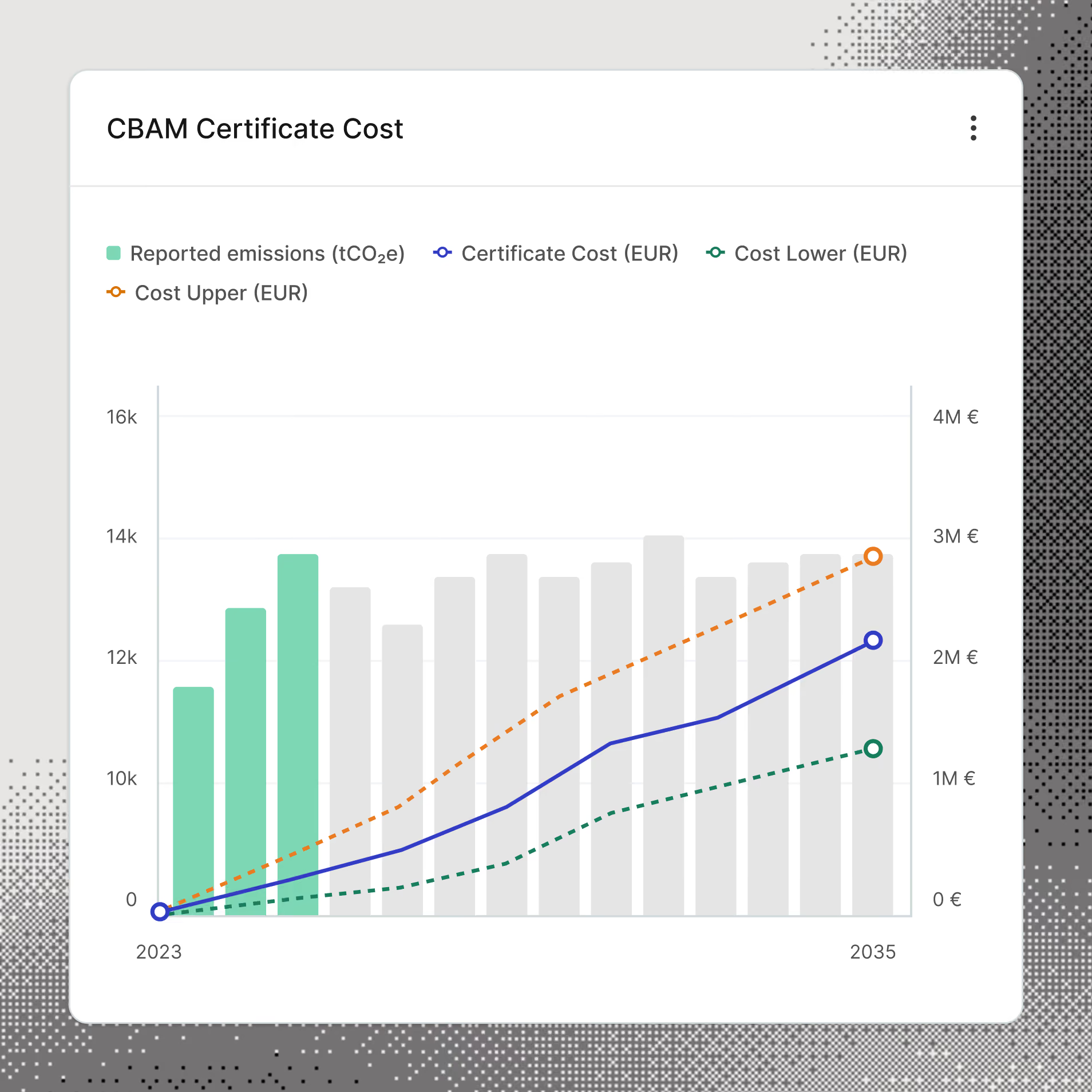
Manage CBAM costs strategically
Your annual CBAM declaration in four steps
Collect supplier data
Calculate import emissions
Understand emissions and manage costs
Submit your annual declaration
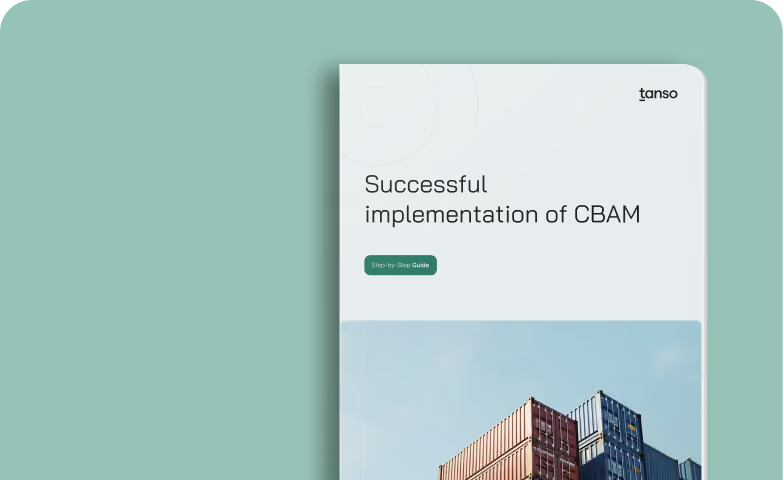
More CBAM resources







Talk to our CBAM experts.


Frequently asked questions
Which phase is CBAM currently in and which deadlines apply?
The transitional phase with quarterly reporting ended on December 31, 2025. Since January 1, 2026, the definitive phase with an annual declaration and certificate obligation has applied. Under the Omnibus amendment, the annual CBAM declaration must be submitted by September 30 of the following year, for the first time on September 30, 2027, for imports from 2026.
When do CBAM certificates have to be purchased?
Sales of CBAM certificates via the central EU platform start on February 1, 2027. Importers can then purchase certificates retroactively for imports from 2026. Certificate prices are based on the EU ETS price, initially as a quarterly average for 2026 and as a weekly average from 2027.
What is CBAM?
The Carbon Border Adjustment Mechanism (CBAM) is an EU climate policy instrument designed to prevent carbon leakage, meaning the relocation of emission-intensive production to countries with less stringent climate rules. Importers must report the emissions embedded in their goods and offset them by purchasing CBAM certificates.
What are the legal consequences of violations?
Violations of CBAM reporting obligations can lead to tiered financial penalties. If reports remain incomplete or incorrect despite a request to correct them, penalties are imposed per tonne of unreported emissions, with increases for repeated violations or significant delays.
Which companies and products are affected?
EU importers of goods from the iron, steel, aluminum, hydrogen, fertilizer, electricity and cement sectors are affected. A mandatory de minimis threshold exempts companies with less than 50 tonnes of CBAM-relevant imports per year from the reporting obligations.
How does Tanso fit into our existing IT landscape?
Reduction uses the same data foundation as the CCF module and requires no additional IT integration. If your CCF module is already connected to SAP, other ERP systems or a data warehouse, reduction scenarios and reporting work with it automatically.
How are embedded emissions calculated?
Emissions are preferably calculated using primary data from suppliers. If no primary data is available, country- and product-specific EU default values apply, in certain cases with markups for a conservative estimate. In the definitive phase, the reported emissions must be verified by accredited verification bodies.